우리의 우수한 제품

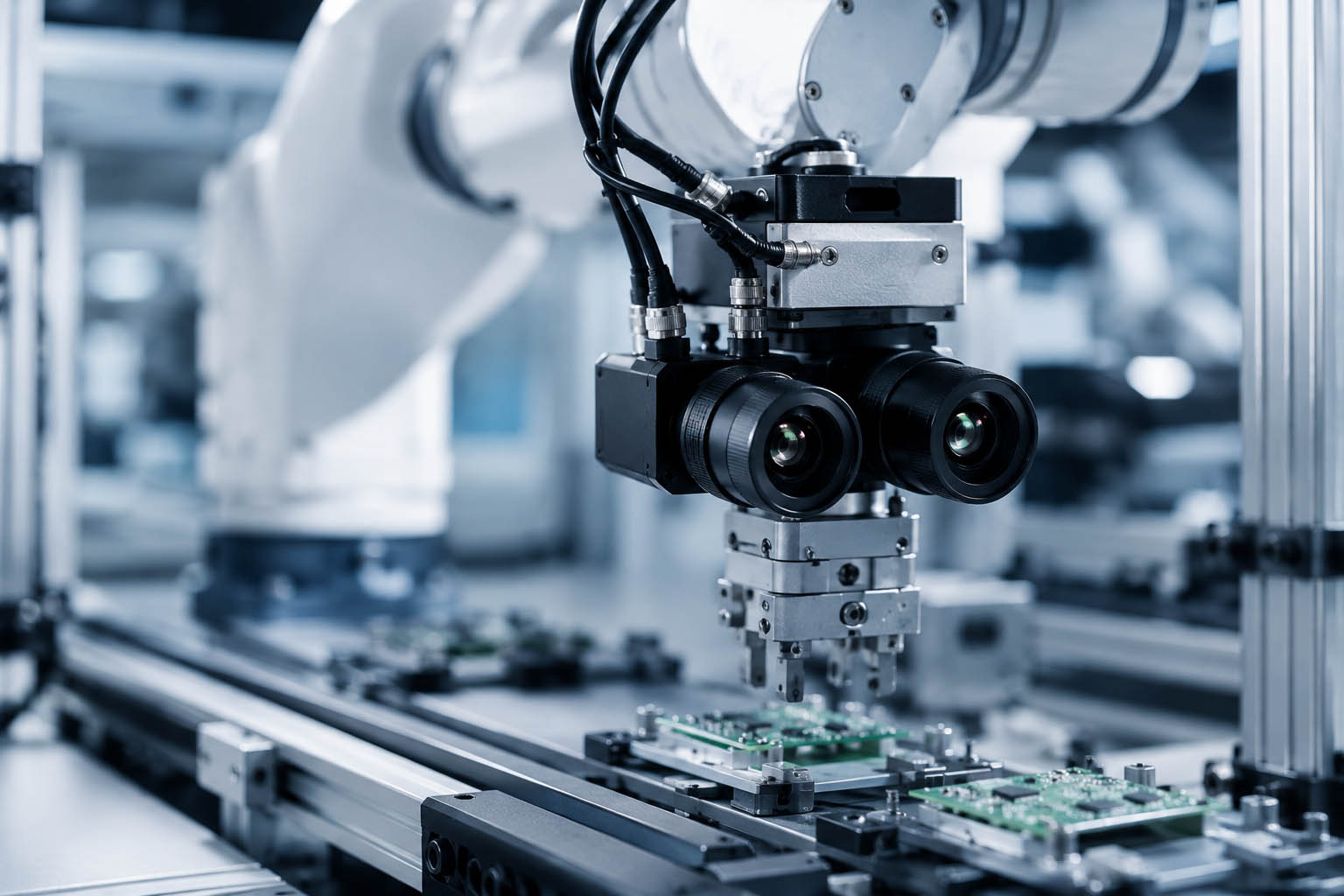
광학렌즈(Optical Lens)는 빛을 집중시켜 선명한 상을 맺게 하는 광학영상시스템의 핵심부품인 광학부품이다. 광학렌즈의 주요 기능은 광학적 원리를 통해 빛을 정밀하게 제어하여 고품질의 영상을 획득하고 처리하는 것입니다. 광학 렌즈의 주요 기능은 광학 이미징입니다.
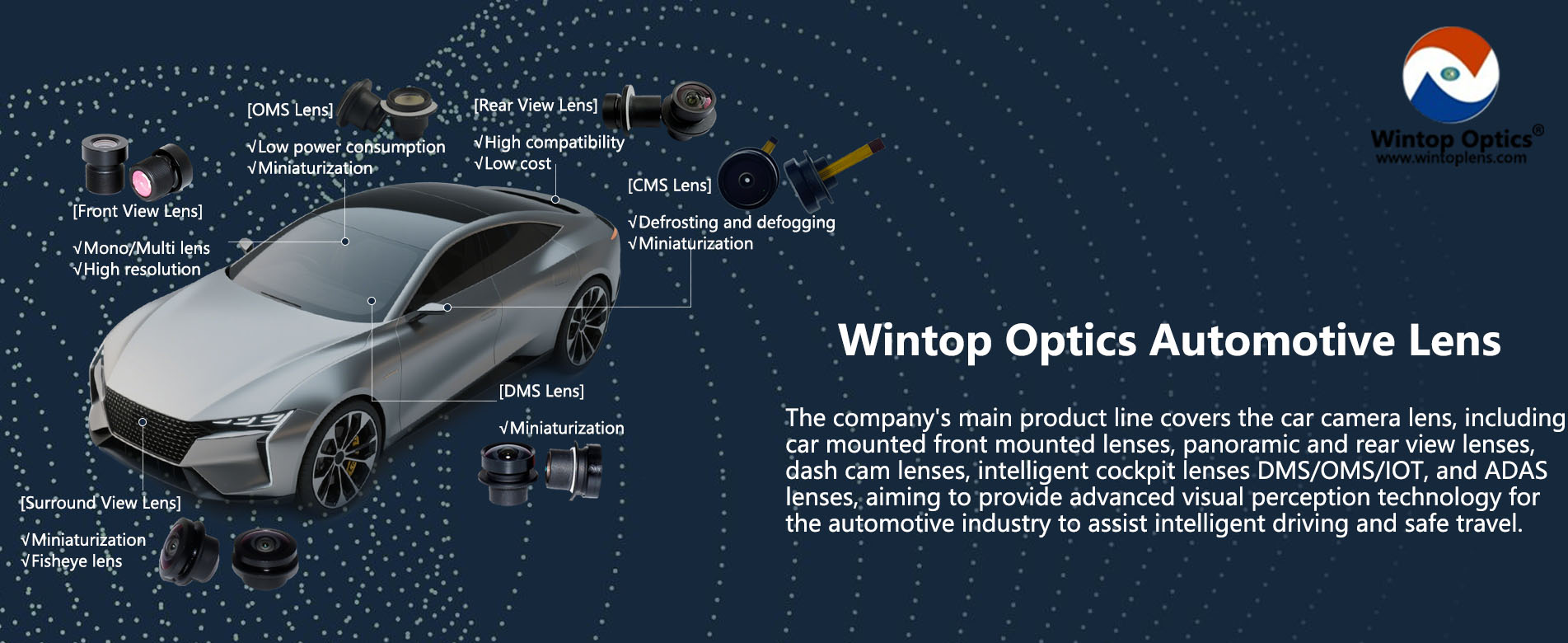
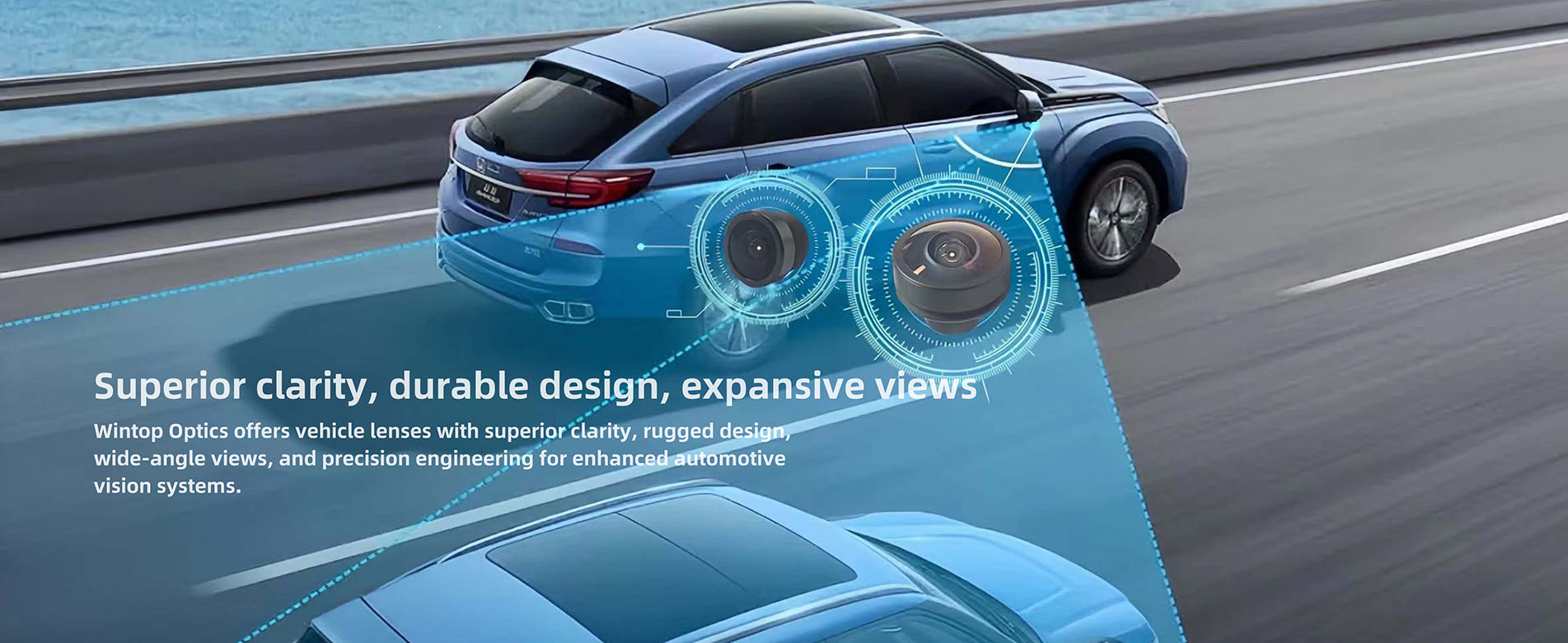
자동차용 카메라 렌즈
Wintop Optics의 자동차용 카메라 렌즈는 IATF 16949/TS 16949 품질 관리 시스템 표준을 준수하여 설계 및 제조되었으며, 고온, 저온, 진동, 습도 등 극한 조건에서도 안정적이고 신뢰할 수 있는 성능을 보장하기 위해 엄격한 품질 관리 프로세스를 거칩니다. 또한, Wintop Optics의 자동차용 카메라 렌즈는 선도적인 글로벌 자동차 제조업체에서 ADAS, 서라운드 뷰, 지능형 조종석 솔루션에 널리 채택되어 고정밀 시각적 입력과 신뢰할 수 있는 안전 보장을 제공합니다.
더 읽어보기
전면 렌즈
윈탑옵틱스의 차량용 전방 카메라 렌즈는 독자적으로 개발한 다층 코팅 렌즈와 최적화된 광학 설계를 채택하여 높은 감도와 낮은 왜곡을 제공합니다. 강한 역광이나 어두운 환경, 야간 환경에서도 선명한 이미지를 포착하여 ADAS 시스템의 엄격한 전방 시야 성능 요구 사항을 충족합니다. 또한, 전방 카메라 렌즈는 CMS/OMS 플랫폼과 긴밀하게 통합되어 사각지대 경고, 장애물 감지, 차선 인식 등의 기능을 구현할 수 있습니다. 이러한 통합은 차량에 안정적인 전방 시야 정보를 제공하여 지능형 주행을 지원하고 안전성을 향상시킵니다.
더 읽어보기
후방 시야 렌즈
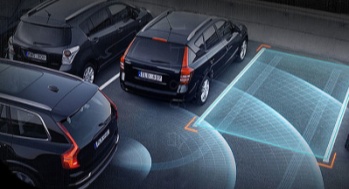
윈탑 옵틱스의 차량용 후방 카메라 렌즈는 독자적인 다층 코팅 기술과 최적화된 광학 구조 기술을 적용하여 이미지 감도를 효과적으로 향상시키고 왜곡, 눈부심, 미광을 억제하여 선명한 후방 시야를 제공합니다. 이 렌즈는 운전자에게 후진 및 주차 시 정확한 시각 지원을 제공합니다. 또한 사각지대 감지, 장애물 감지, 서라운드 뷰 시스템 등 첨단 운전자 보조 시스템(ADAS)과 긴밀하게 통합되어 주행 안전성과 편의성을 향상시킵니다.윈탑 옵틱스는 승용차, 상용차, 특수 차량 등 다양한 분야에 적용되는 세계 유수 OEM에 대량 생산 후방 카메라 솔루션을 공급해 왔습니다. 또한, 다양한 시야각 옵션, 적외선 필터가 장착된 야간 투시경 렌즈, AA(Active Alignment) 접착 조립 공정 등 맞춤형 서비스를 제공하여 다양한 산업 분야의 고객 니즈를 충족합니다.
더 읽어보기
서라운드 뷰 렌즈
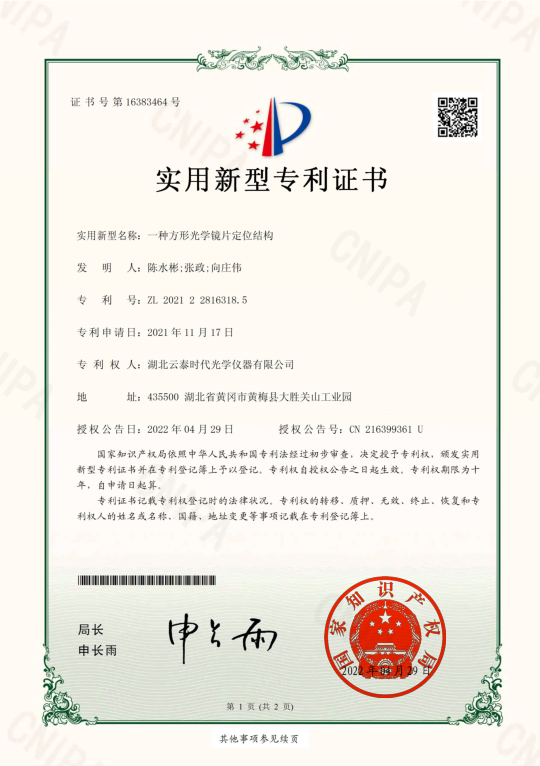
서라운드 뷰 시스템은 여러 개의 초광각 M12 어안 렌즈와 고급 이미지 스티칭 및 퓨전 알고리즘을 결합하여 차량 주변의 360° 조감도를 완벽하게 제공하며, 사각지대 경고 및 장애물 감지와 같은 ADAS 기능이 긴밀하게 통합되어 있습니다. 60개 이상의 실용신안 특허와 200개 이상의 렌즈 모델로 구성된 제품 포트폴리오를 보유한 Wintop Optics는 다양한 차량 유형 및 애플리케이션 요구 사항을 충족하는 고도로 맞춤화된 서라운드 뷰 카메라 렌즈 솔루션을 제공합니다. Wintop Optics 제품은 TS16949, ISO 9001, ISO 14001 국제 품질 경영 시스템 인증을 획득하여 자동차 산업의 엄격한 기준을 준수하는 안정적이고 제어 가능한 품질을 보장합니다.
더 읽어보기
기내 렌즈
Wintop Optics의 차량용 카메라 렌즈는 지능형 조종석을 위한 고정밀 멀티모달 인식 기능을 제공하며, 첨단 이미징 기술과 지능형 알고리즘을 통합하여 운전자 모니터링 시스템(DMS) 및 탑승자 모니터링 시스템(OMS)의 복잡한 요구 사항을 충족합니다. RGB-IR 및 단파장 적외선을 포함한 다중 스펙트럼 이미징 기술을 활용하는 이 카메라는 모든 조명 조건에서 안정적인 작동을 보장하며, 저조도, 역광 또는 악천후 상황에서도 피로 인식, 시선 추적, 탑승자 안전 모니터링 등 탑승자 행동을 명확하게 감지합니다.
더 읽어보기
CMS 렌즈
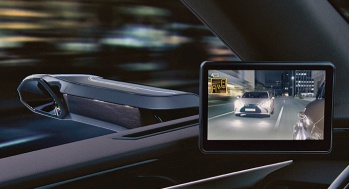
윈탑(Wintop)의 차량용 카메라 렌즈는 코팅 기술과 설계 최적화를 통해 이미지 감도를 향상시키고, 이미지 왜곡을 효과적으로 줄이며, 눈부심과 미광이 이미지에 미치는 영향을 줄여줍니다. 기존의 금속 백미러를 카메라와 스크린으로 대체합니다. 원리는 매우 간단합니다. 카메라가 차량 후방 이미지를 촬영하고, 하드웨어 및 소프트웨어 시스템을 통해 처리하여 화면에 표시함으로써 운전자가 차량 후방의 실시간 이미지를 볼 수 있도록 합니다. 동시에 CMS는 사각지대 경고 및 장애물 경고와 같은 기능을 통합하여 첨단 운전자 보조 시스템(ADAS) 개발을 촉진합니다.
더 읽어보기
자동차 DVR 렌즈
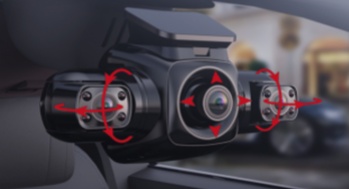
운전 기록 렌즈(DVR/대시캠 렌즈라고도 함)는 차량 주행 중 영상, 음향 및 기타 정보를 기록하는 카메라 렌즈입니다. 운전 기록 렌즈를 설치하면 차량 주행 과정의 전 과정을 영상과 음향으로 녹화하여 교통사고 증거로 활용할 수 있습니다. 운전 기록 렌즈는 사고 전 운전자의 운전 과정을 객관적으로 기록하여 사고 전, 사고 중, 사고 후 운전자의 다양한 반응과 외부 환경의 변화까지 효과적으로 제공합니다.
더 읽어보기
  • 19
    0+ Years

    연구개발 및 생산 경험

  • 200
    0+ Items

    렌즈 모델

  • 1000
    0+

    협력 파트너

  • 15000
    0+

    공장면적(㎡)

회사 소개

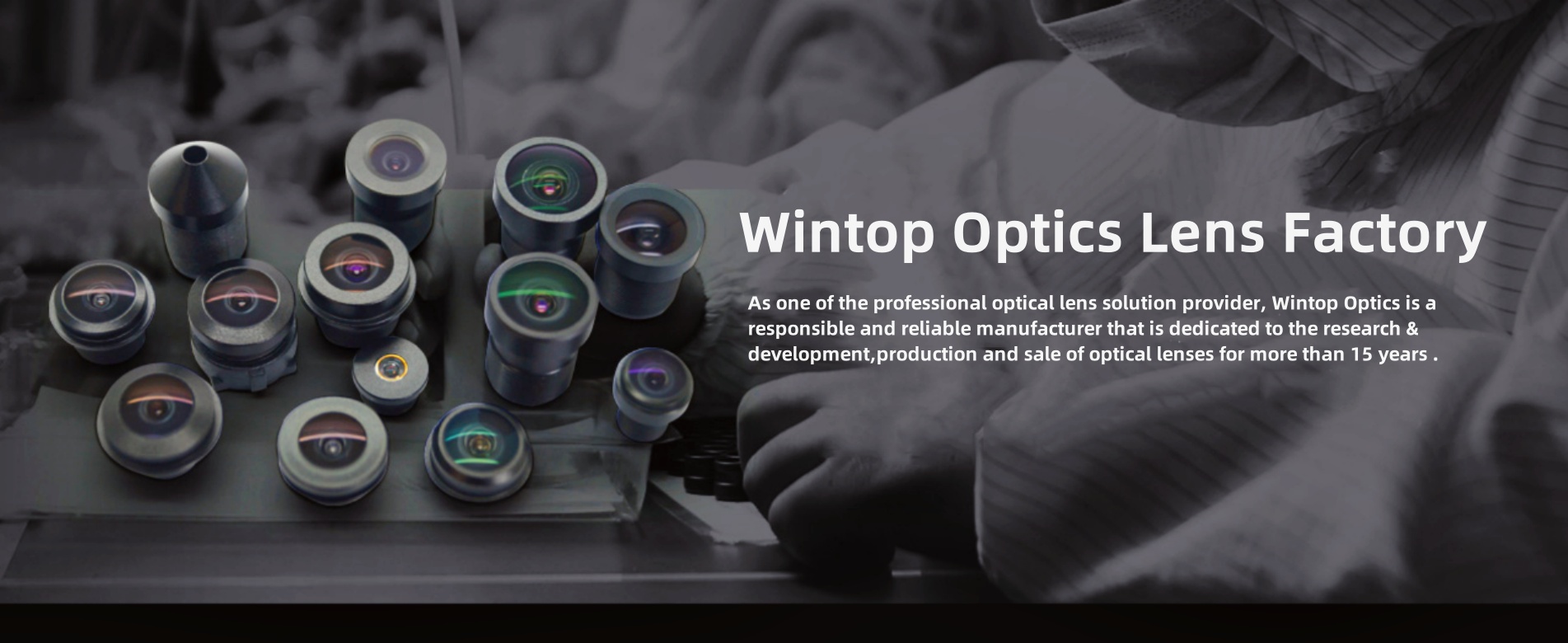
전문 광학 렌즈 솔루션 제공업체 중 하나인 "윈탑 옵틱스"는 19년 이상의 경험을 바탕으로 렌즈 연구 개발, 생산 및 판매에 전념하는 책임감 있고 신뢰할 수 있는 제조업체입니다. 윈탑의 R&D 센터는 2006년 8월 선전에 설립되었으며, 제조 센터는 후베이성 황메이에 위치하고 있으며, 면적은 15,000m²입니다. 윈탑 옵틱스는 후베이 운태시보광학(주)의 자회사입니다.

윈탑 옵틱스는 자체 광학 시스템 개발 및 설계팀을 보유하고 있으며, 중국 유명 대학의 선임 광학 컨설턴트들과 장기적인 협력 관계를 유지하고 있습니다. 윈탑 옵틱스의 제품은 주로 자동차 모니터링 카메라 렌즈, 차량용 DVR 렌즈, 차량용 ADAS/CMS/OMS 렌즈, 보안 감시 CCTV 렌즈, 스마트 홈 기기 렌즈, 저왜곡 스포츠 카메라 렌즈, 얼굴 인식 렌즈, 광각 어안 렌즈 등 고급 이미징 분야에 사용됩니다.

더 읽어보기
온라인 24시간 서비스 86 153-0268-9906

공장

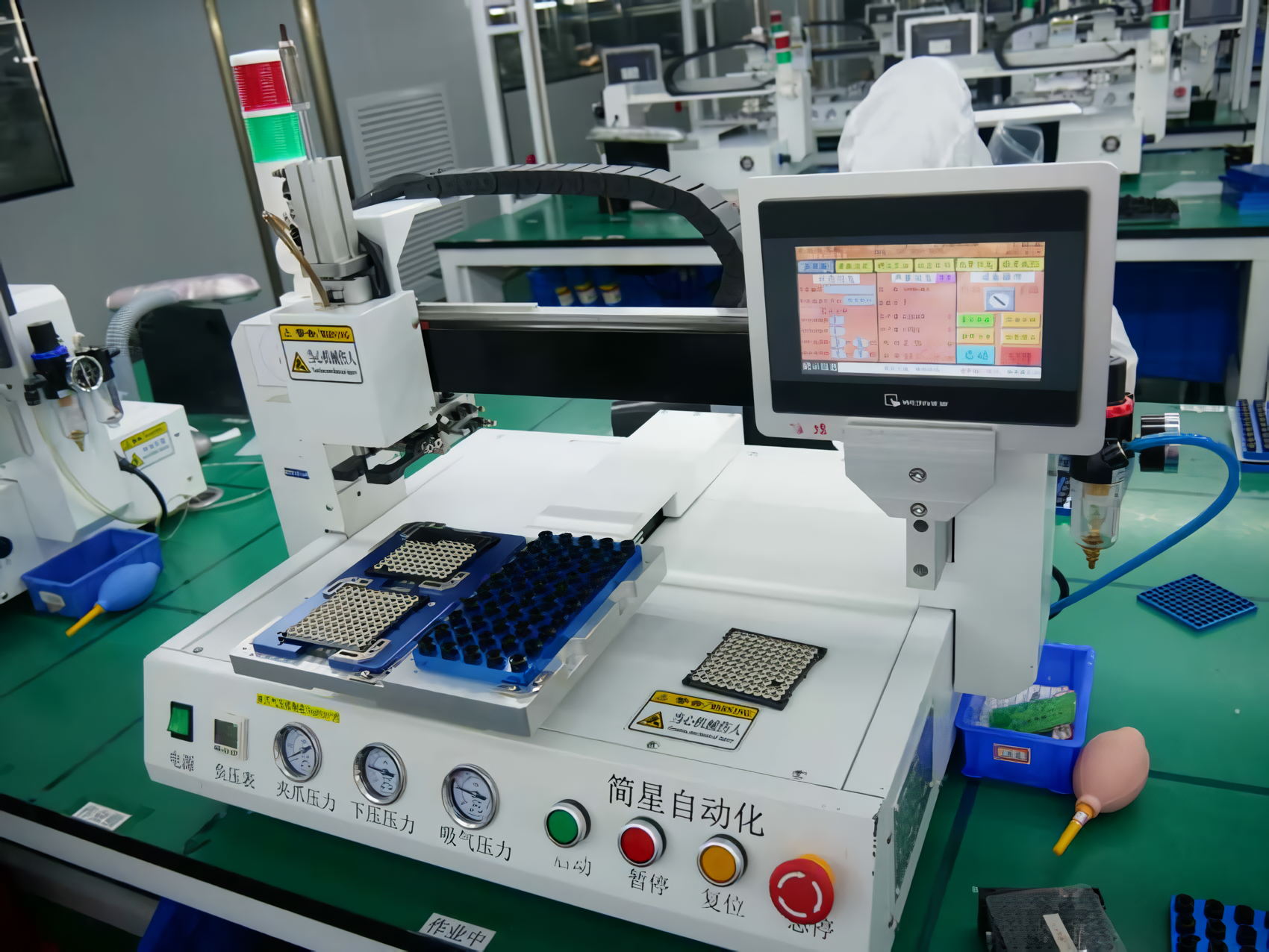
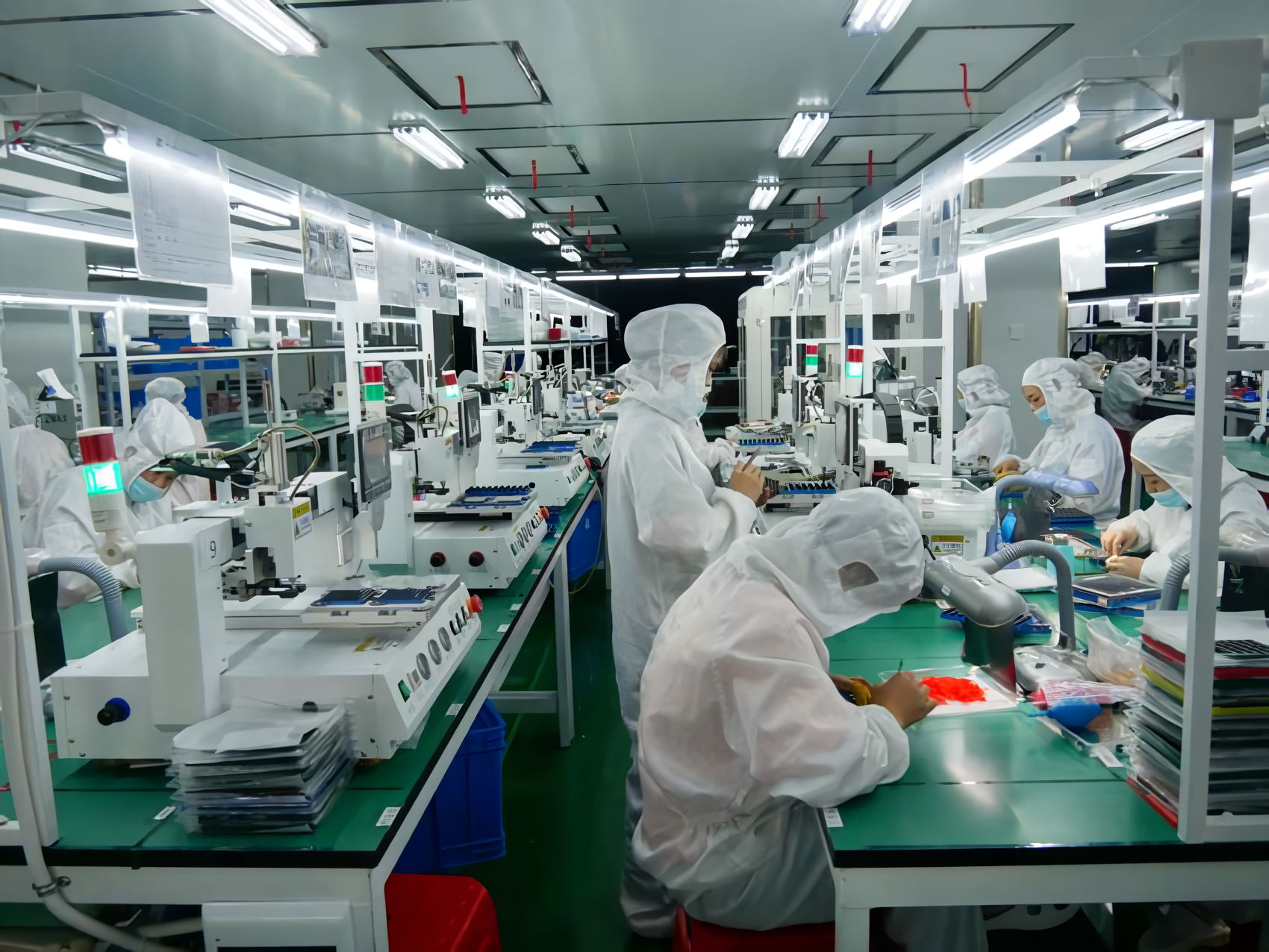
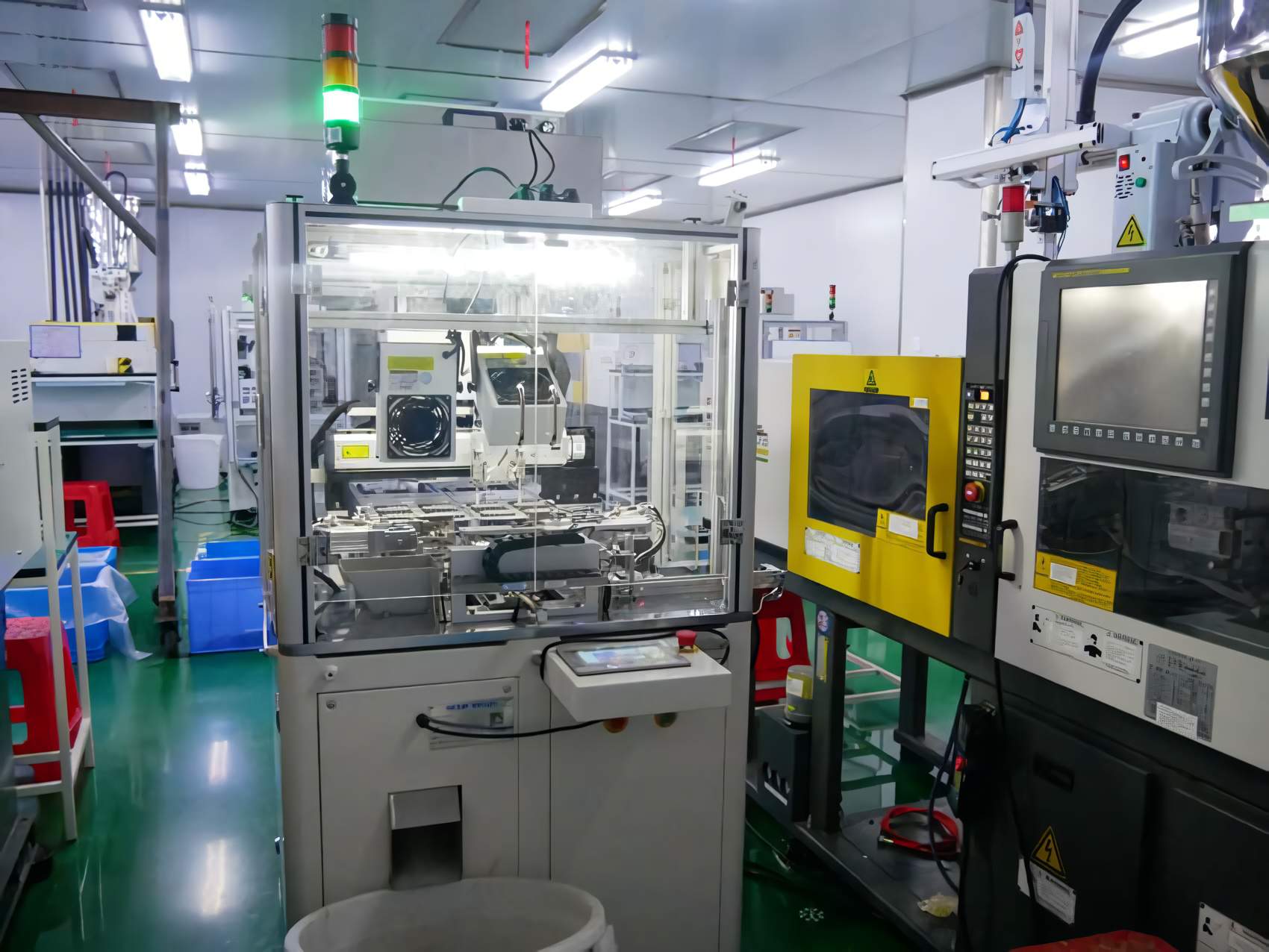
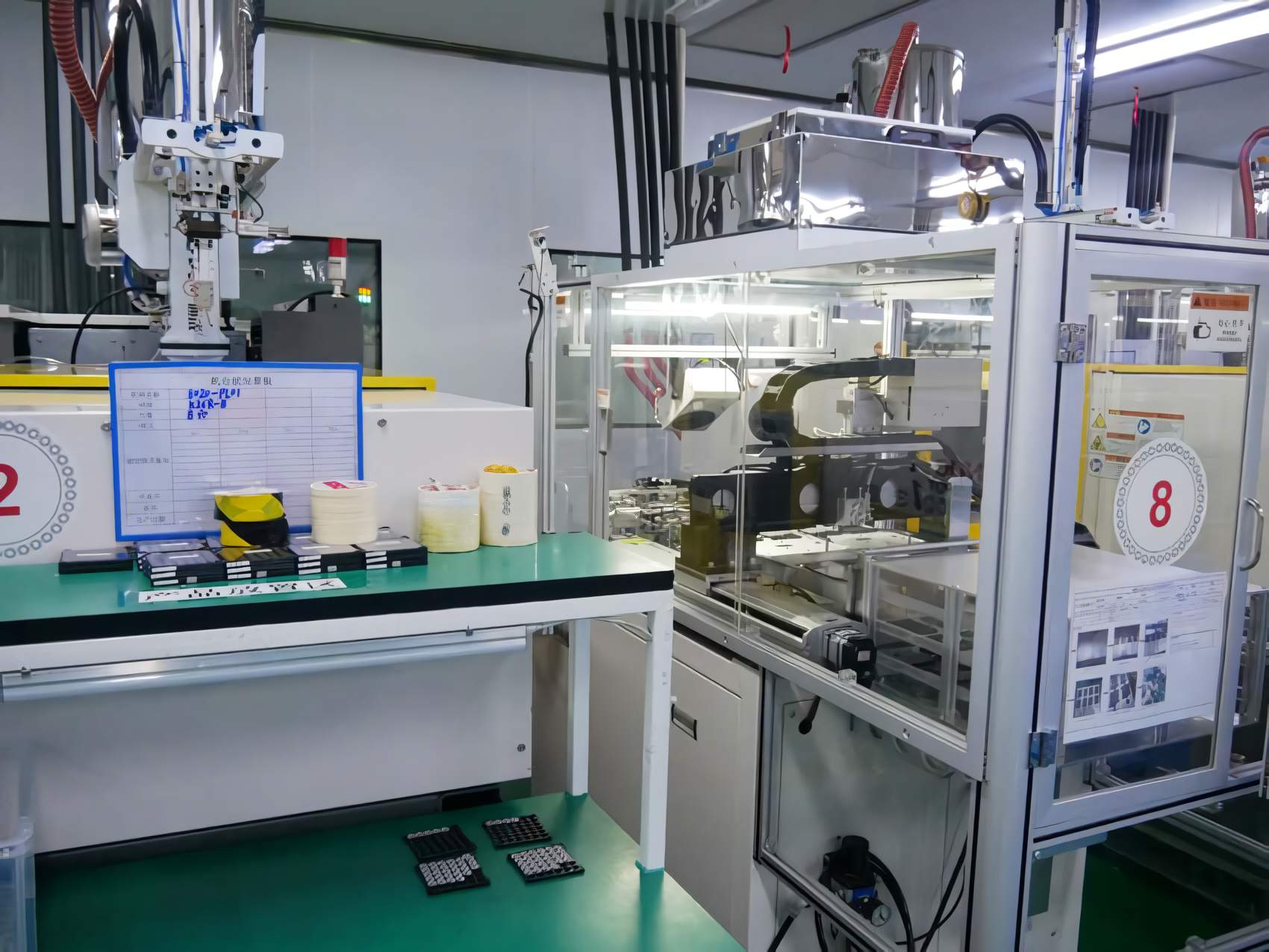
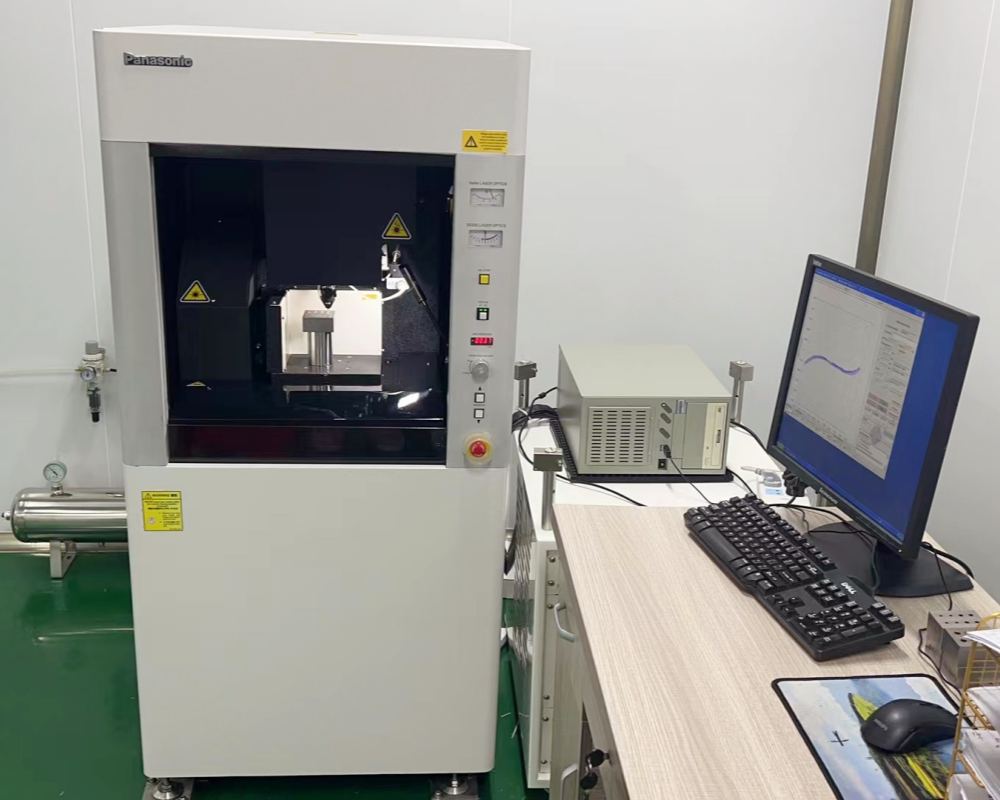
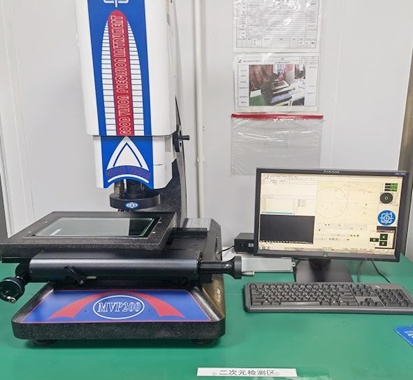
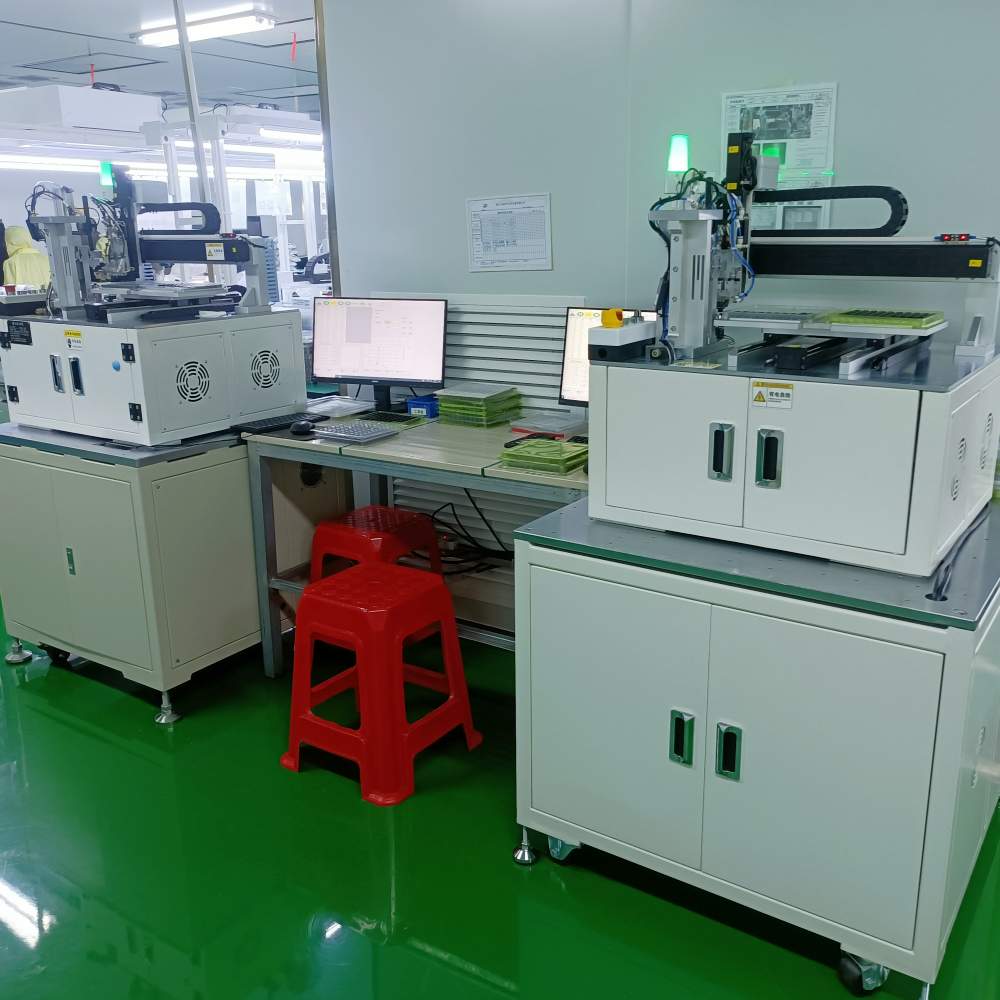
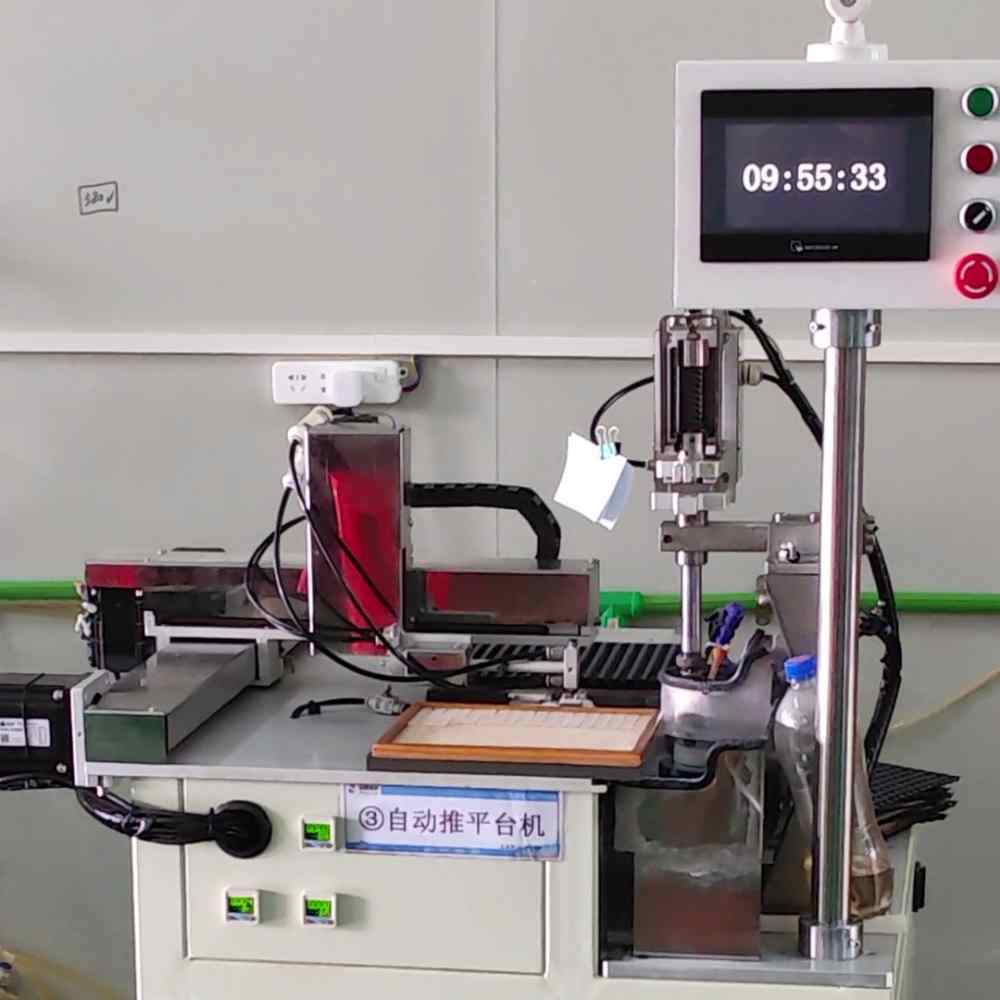
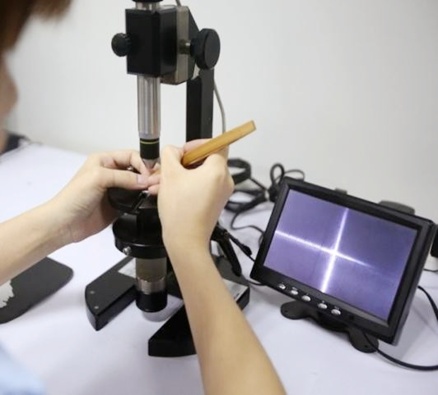
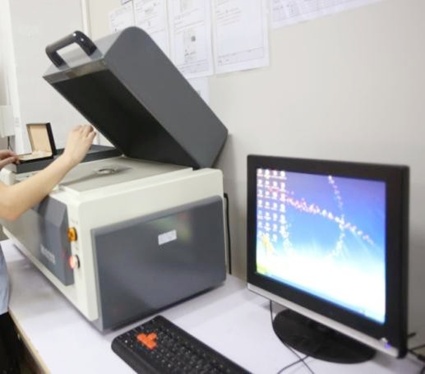
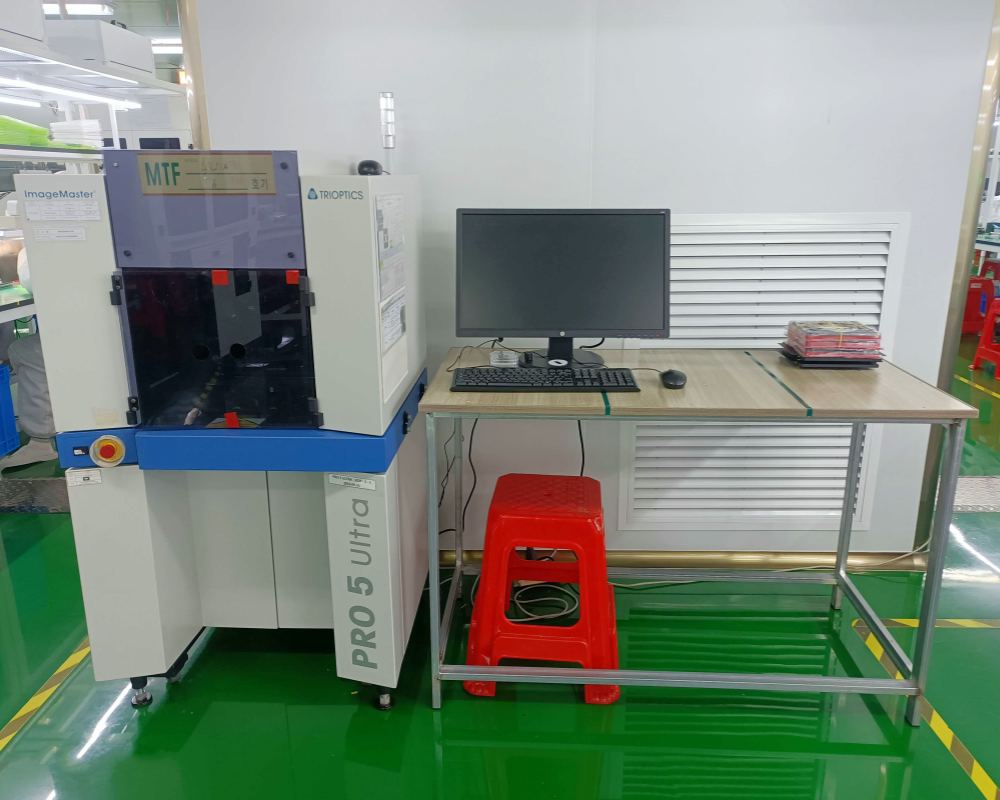
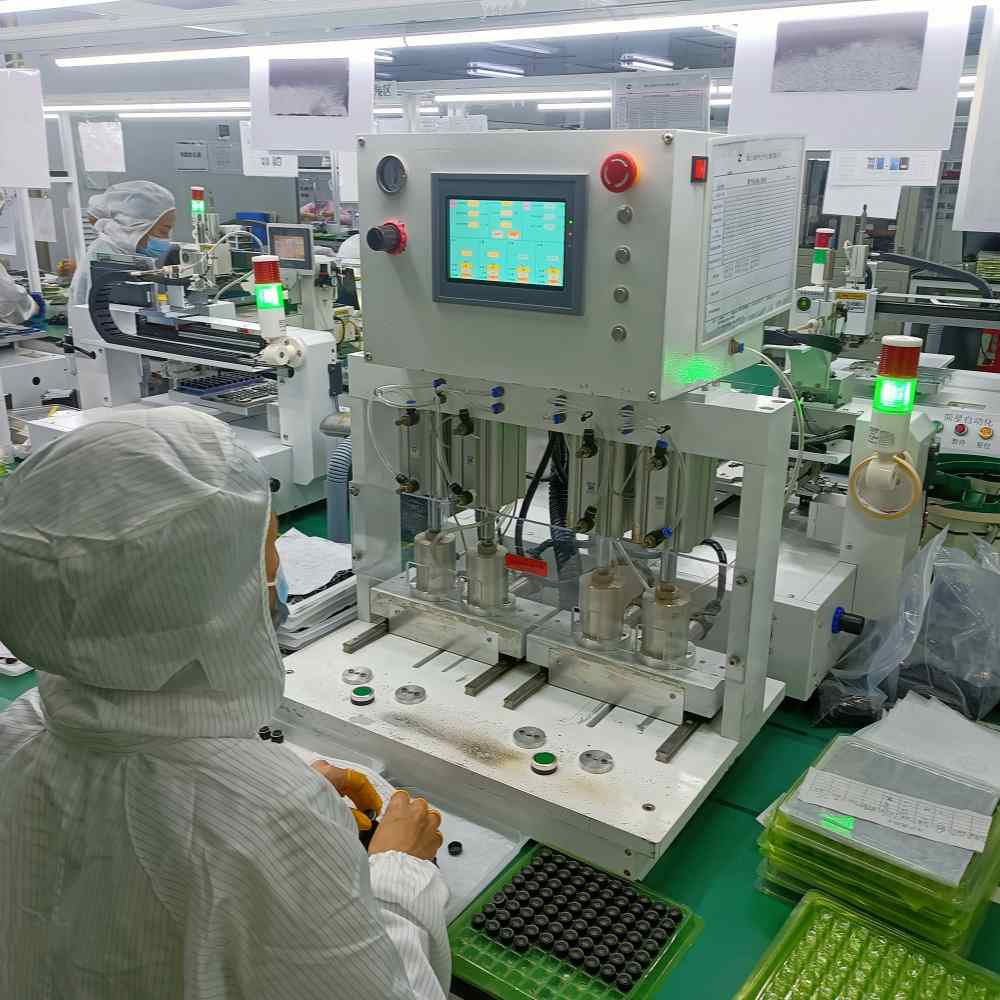
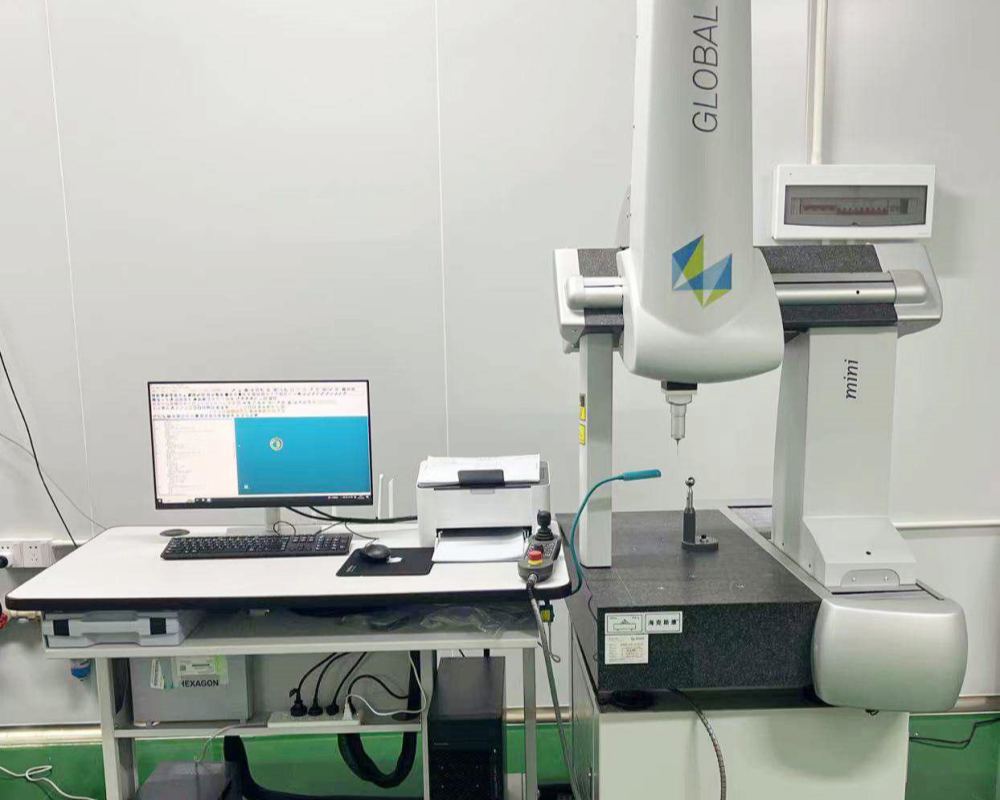
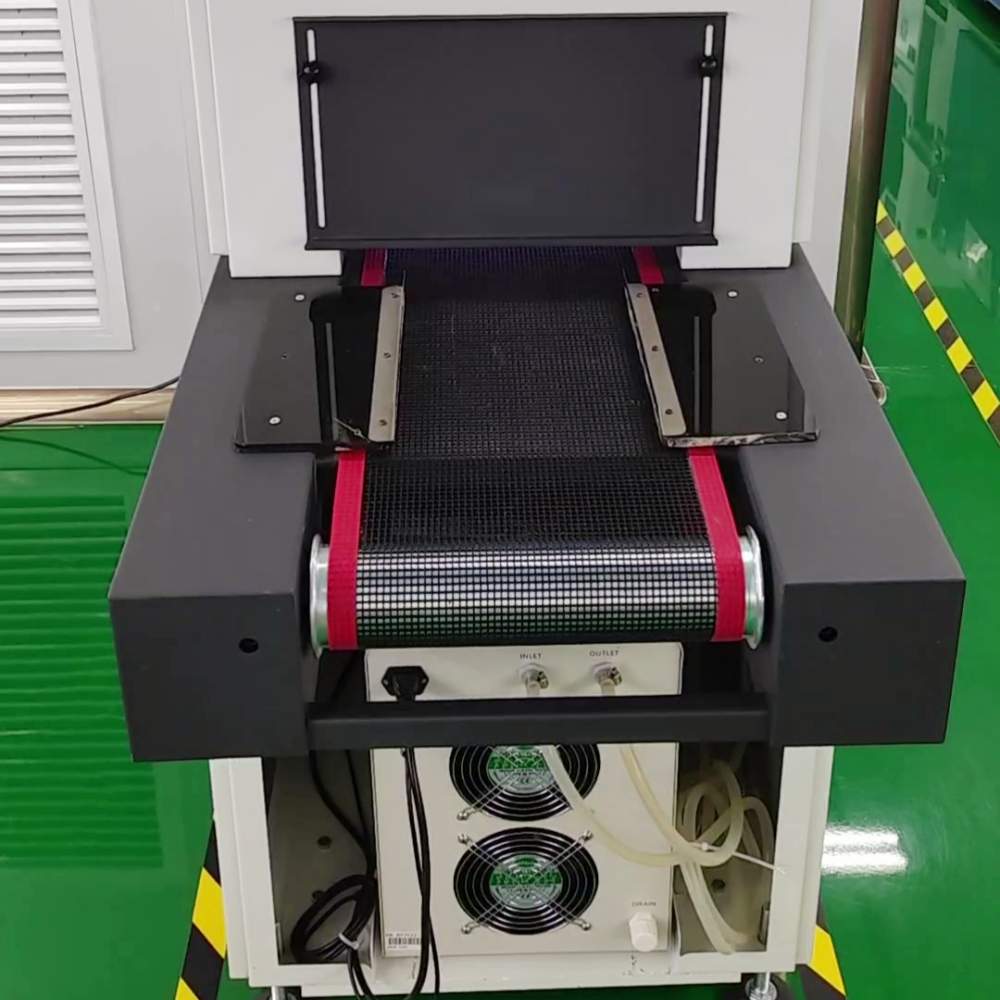
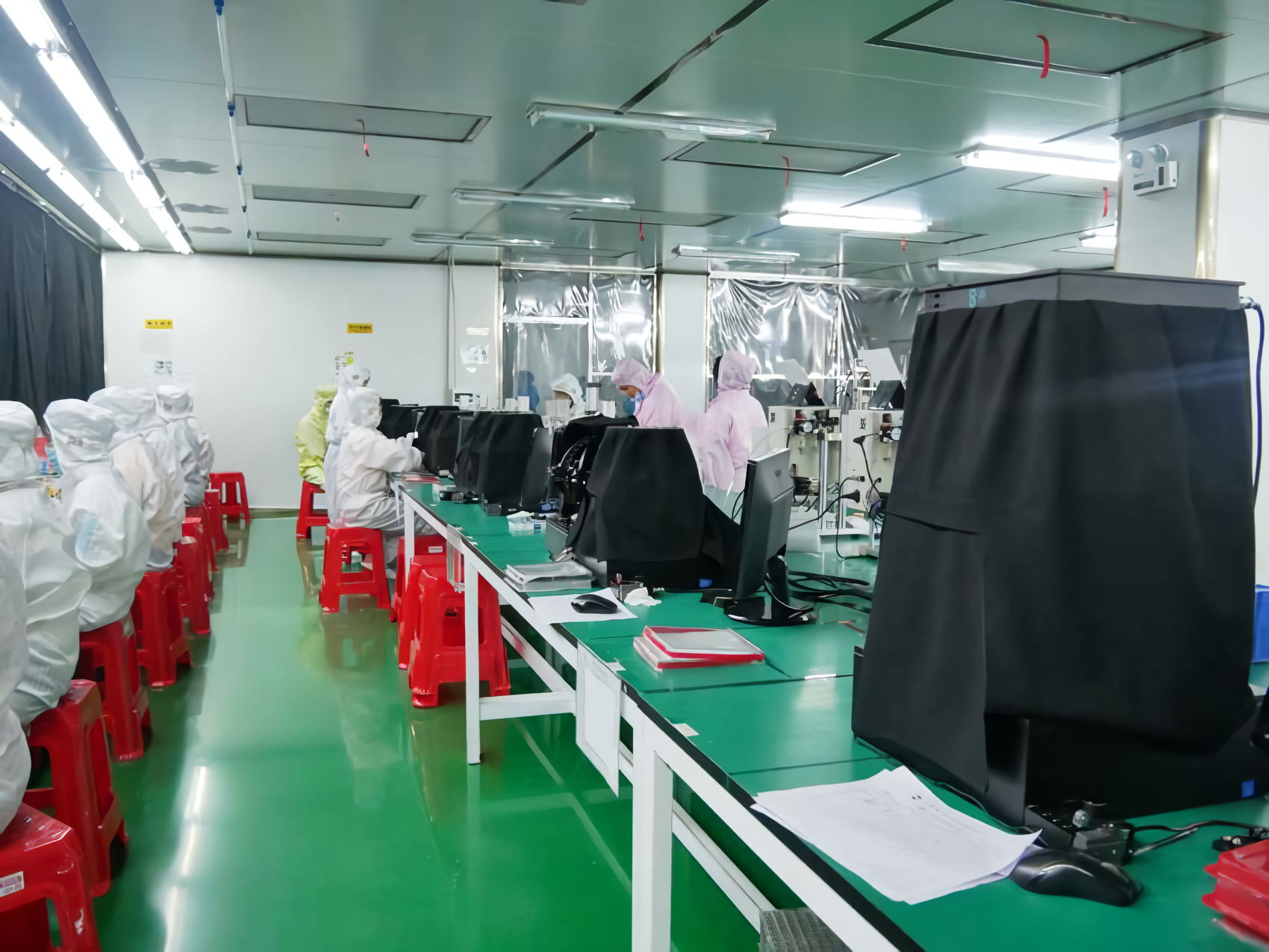
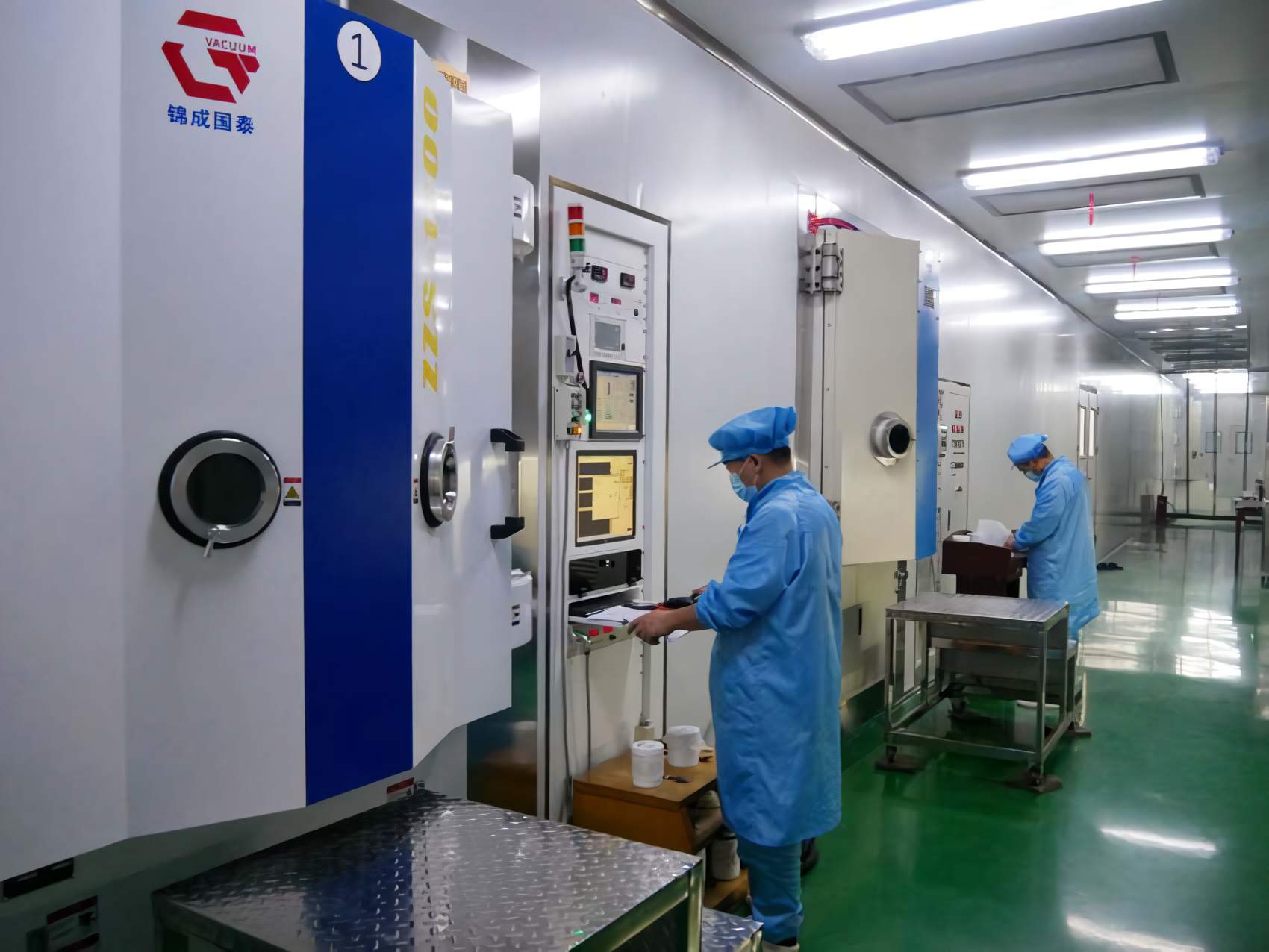
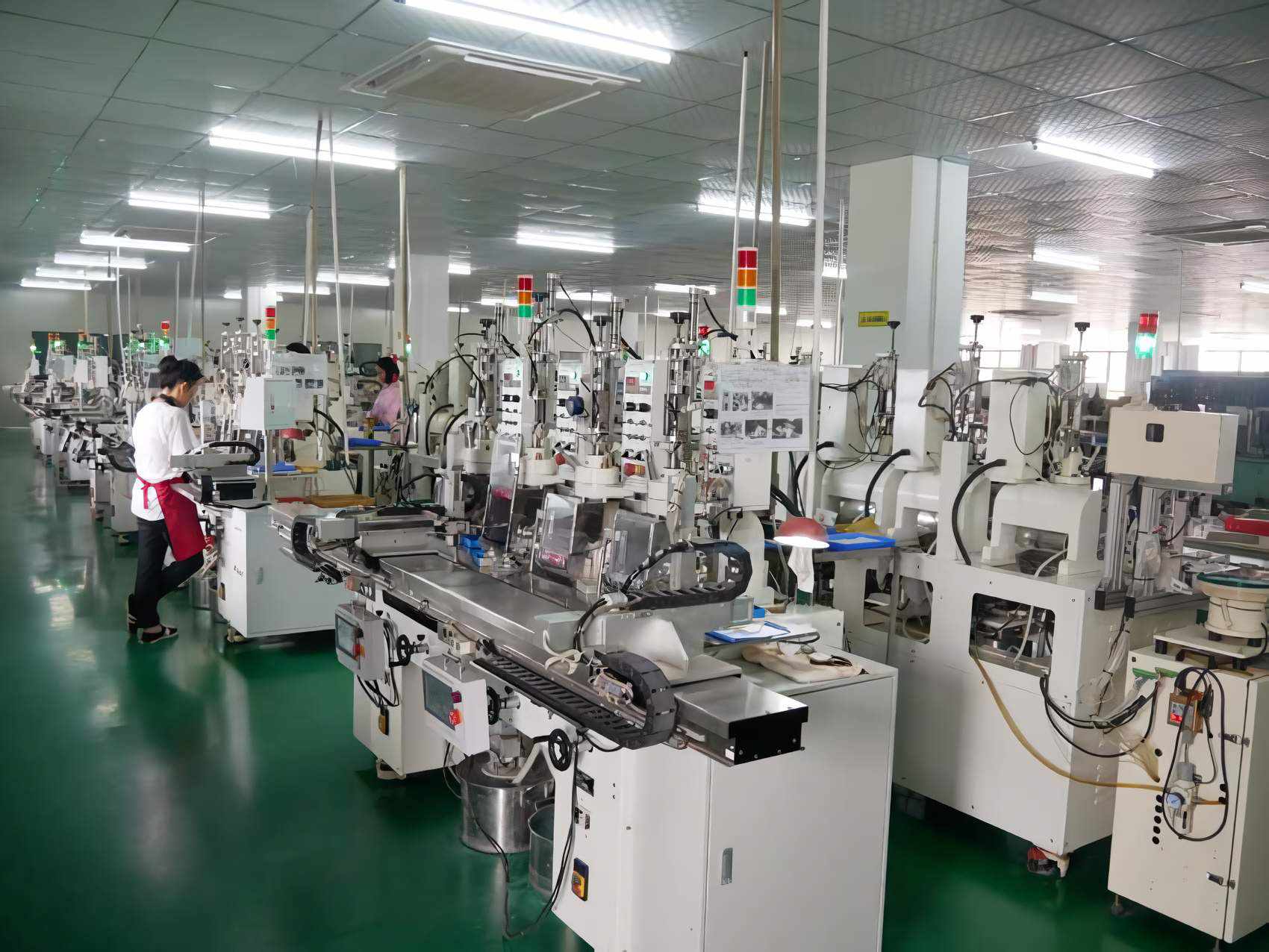
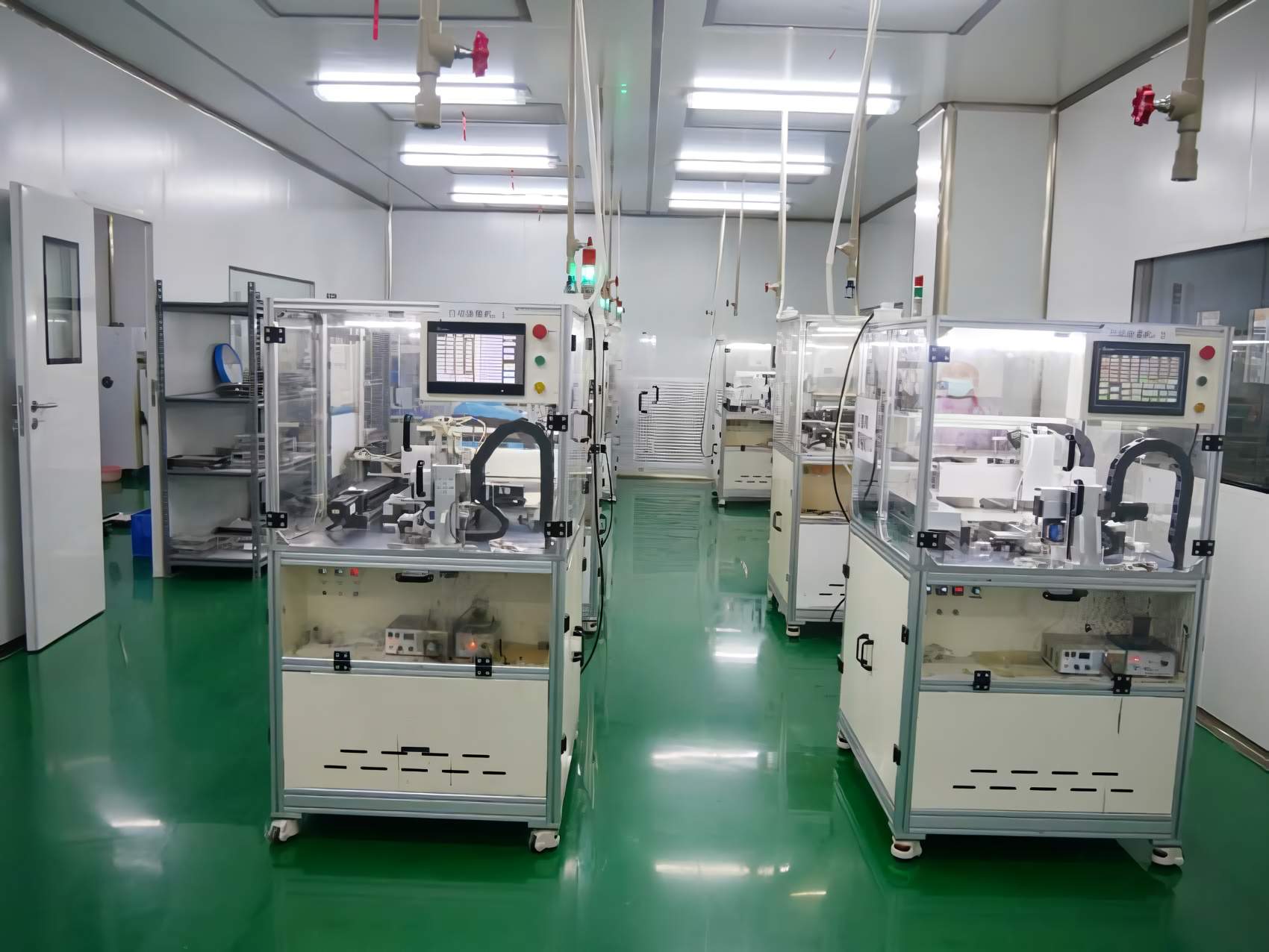
Hubei Factory는 15,000 평방 미터의 면적을 덮고, 유리 연삭 월간 출력 값은 2 백만 조각에 도달하고, 1000 레벨의 먼지가없는 워크샵이 장착 된 렌즈 어셈블리는 8 개의 수동 어셈블리 라인과 10 개의 자동 생산 라인이 있으며 월간 출력은 2 백만 세트의 광학 렌즈를 갖습니다. Wintop Optics는 60 개 이상의 유틸리티 모델 디자인 특허와 200 개 이상의 모델을 보유하고 있으며, 매 분기마다 시장 방향을 이끌 기 위해 새로운 제품을 지속적으로 출시했습니다.

명예

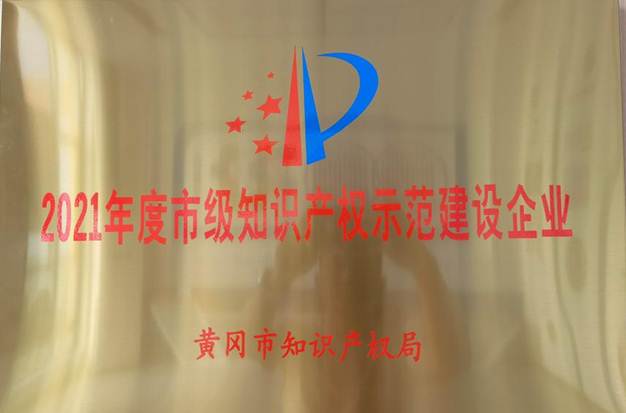
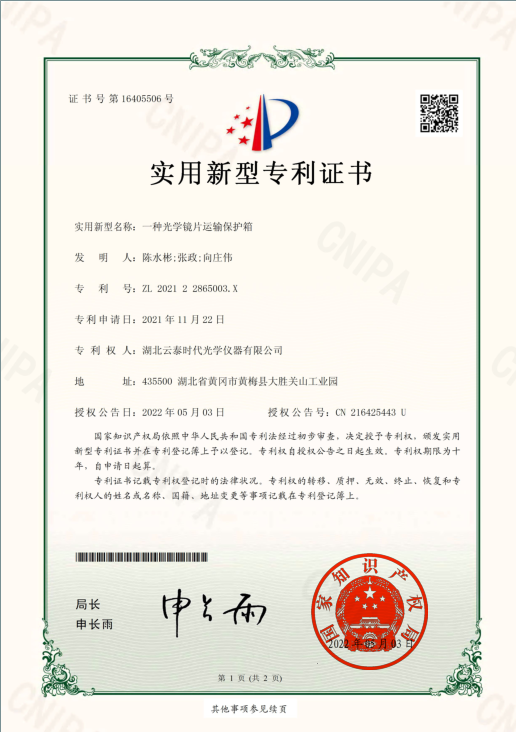
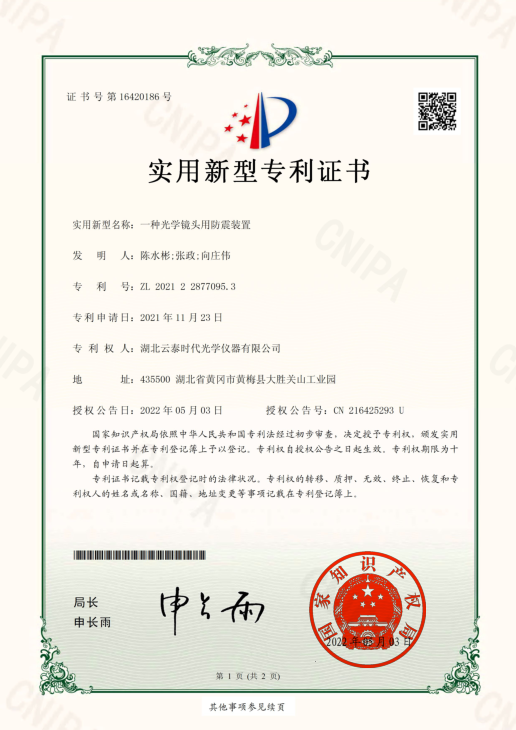
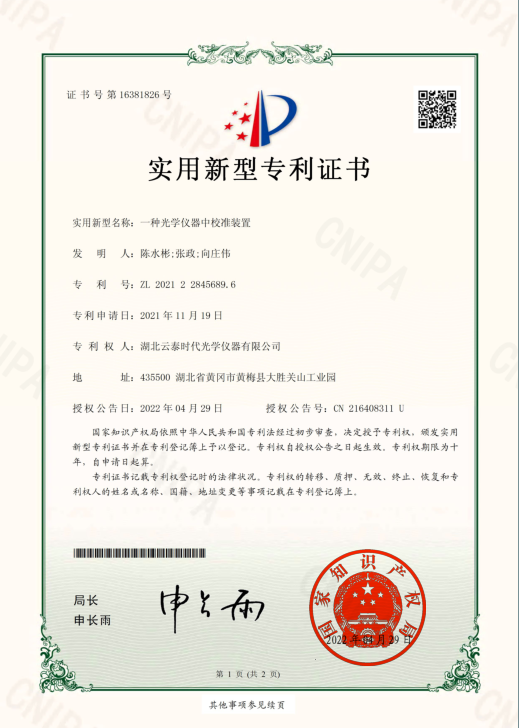
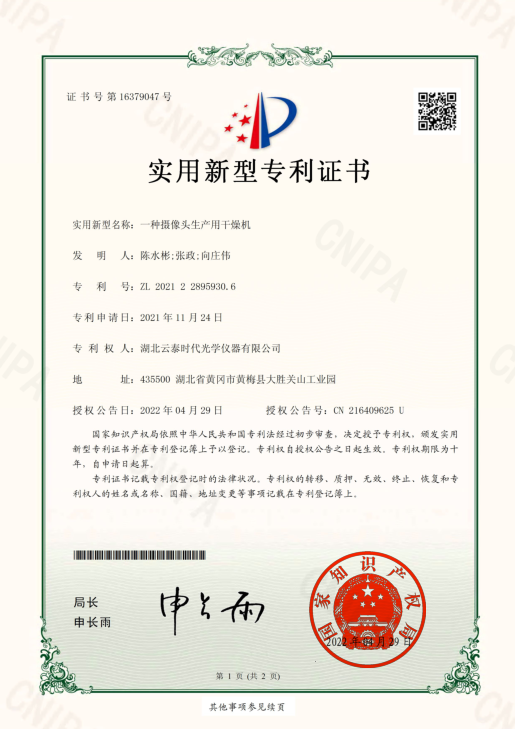
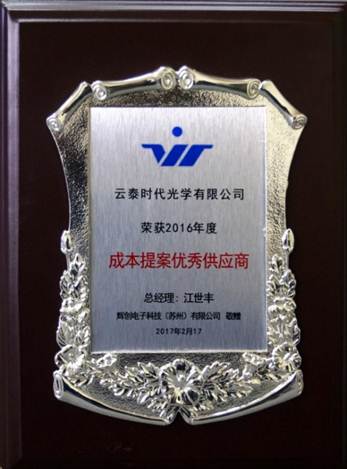
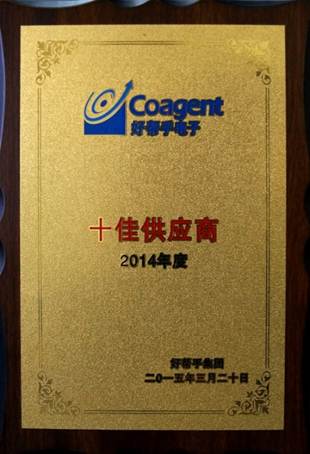
윈탑 옵틱스는 TS16949(국제 자동차 산업 품질 경영 시스템), ISO9001, ISO14001 등의 인증을 획득했습니다. 

우리의 파트너

후베이 공장 면적은 15,000평방미터이고 유리 분쇄 월간 생산량은 200만 개에 달하며 렌즈 조립에는 1000단계 먼지 없는 작업장이 갖춰져 있으며 수동 조립 라인 8개와 자동 생산 라인 10개를 갖추고 월 생산량이 200만 개에 달합니다. 광학 렌즈를 설정합니다. Wintop Optics는 60개 이상의 실용신안 디자인 특허와 200개 이상의 모델을 보유하고 있으며, 분기마다 지속적으로 신제품을 출시하여 시장 방향을 선도하고 있습니다.

왜 우리를 선택해야 할까요?

윈탑 옵틱스는 광학 렌즈 분야에서 19년 이상 헌신적인 서비스를 제공하며 풍부한 지식과 전문성을 축적해 왔습니다. 지속적으로 고품질 렌즈를 제공하고 탁월한 서비스를 제공함으로써, 윈탑 옵틱스는 고객들이 선호하는 렌즈 공급업체로 자리매김했습니다. 

케이스 센터

Wintop의 R&D 기술 팀은 맞춤형 고객 요구 사항을 기반으로 전문적인 솔루션을 제공합니다. 2012년부터 우리는 Vtech, iRobot, Jabil, BYD, Holitech 등 국내외 유명 기업을 위한 여러 가지 성공적인 솔루션을 구현했습니다. 
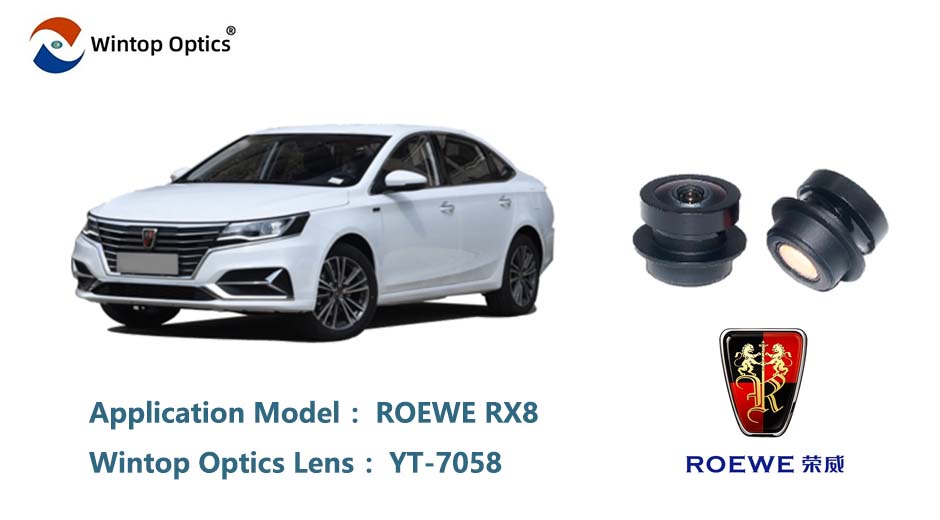
렌즈 적용 사례 12--ROEWE RX8
프로젝트 개요: SAIC Motor의 플래그십 SUV인 ROEWE RX8은 고성능 360° 서라운드 뷰 시스템. ROEWE는 왜곡이 제어된 선명한 파노라마 이미징을 보장하기 위해 WINTOP OPTICS를 선택했습니다. YT-7058 파노라마 렌즈를 핵심 광학 구성요소로 사용합니다.왜 YT-7058인가요?초광각 시야: 최대 200°의 수평 FOV를 제공하여 차량 주변 모니터링에 이상적입니다. 낮은 왜곡 디자인: 매끄러운 파노라마 디스플레이를 위해 정확한 이미지 스티칭을 보장합니다. 자동차 등급 신뢰성: 고온, 진동 및 방수 테스트를 통과했으며 IATF 16949 표준을 충족합니다. 소형 크기: 외부 디자인에 영향을 주지 않고 여러 카메라 차량 시스템에 쉽게 통합할 수 있습니다. 신청 결과: 그만큼 YT-7058 파노라마 렌즈 ROEWE RX8의 서라운드 뷰 시스템은 운전자에게 향상된 안전 가시성을 제공하고 주차, 차선 변경 및 저속 주행 시 사각지대를 줄이는 데 도움이 됩니다.
더 읽어보기
렌즈 적용 사례 11--스마트 새 모이통
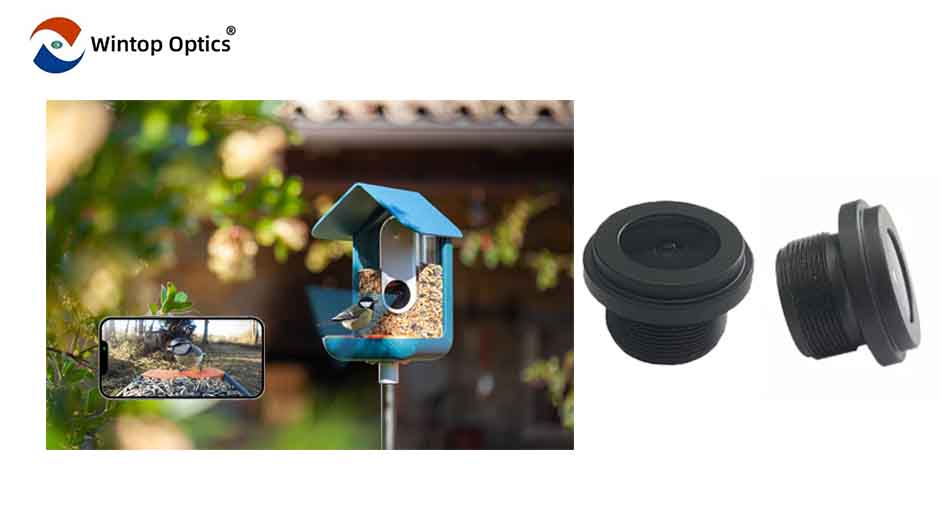
배경 자연과 야생 동물 관찰에 대한 관심이 커짐에 따라, 스마트 새 모이통이 정원, 발코니, 야외 공간에서 점점 더 인기를 얻고 있습니다. 이 지능형 장치는 새 모이를 자동으로 공급할 뿐만 아니라 내장 카메라를 통해 사용자가 새의 활동을 실시간으로 관찰하고 기록할 수 있도록 합니다.고객 요구 사항 및 과제고객은 컴팩트하고 고품질의 제품을 요구했습니다. 야외용 카메라 렌즈 전달할 수 있는 것:  낮과 밤 모두 선명하고 고해상도의 영상  넓은 시야로 넓은 지역을 모니터링할 수 있습니다.  비, 먼지, 습기에 대한 저항성  새 모이통의 컴팩트한 하우징에 쉽게 통합 가능WINTOP의 맞춤형 렌즈 솔루션윈톱 맞춤형 제공 광각 IR 렌즈 1/2.7" 센서용으로 설계되었으며 다음과 같은 주요 특징이 있습니다.새의 세부 사항을 선명하게 표현하기 위한 2MP HD 해상도안정적인 야간 시야를 위한 적외선 강화 구조120° 광각 시야로 전체 장면을 포착장기간 실외 사용을 위한 IP66 등급 방수 설계플라스틱 케이스와 쉽게 통합할 수 있는 컴팩트한 렌즈 배럴결과 및 성과대량 생산 후 고객은 다음과 같이 보고했습니다.뛰어난 주간 선명도 및 세부 사항 인식움직임 흐림 없이 밤에도 안정적인 IR 이미징장시간 야외 테스트 중 안개나 누출이 발생하지 않습니다.모바일 앱의 이미지 품질 향상으로 사용자 만족도 향상 스마트 조류 모이통 카메라 시스템에 WINTOP 렌즈를 적용함으로써 AIoT 및 스마트 홈 기기용 광학 솔루션 분야에서 WINTOP의 전문성을 입증합니다. WINTOP은 앞으로도 전 세계 혁신 기업들을 지속적으로 지원할 것입니다. 맞춤형 렌즈 솔루션 스마트하고 연결된 기술을 위해.스마트 기기용 고성능 렌즈에 관심이 있으신가요? 지금 바로 문의하세요!
더 읽어보기
렌즈 적용 사례 10--하이마
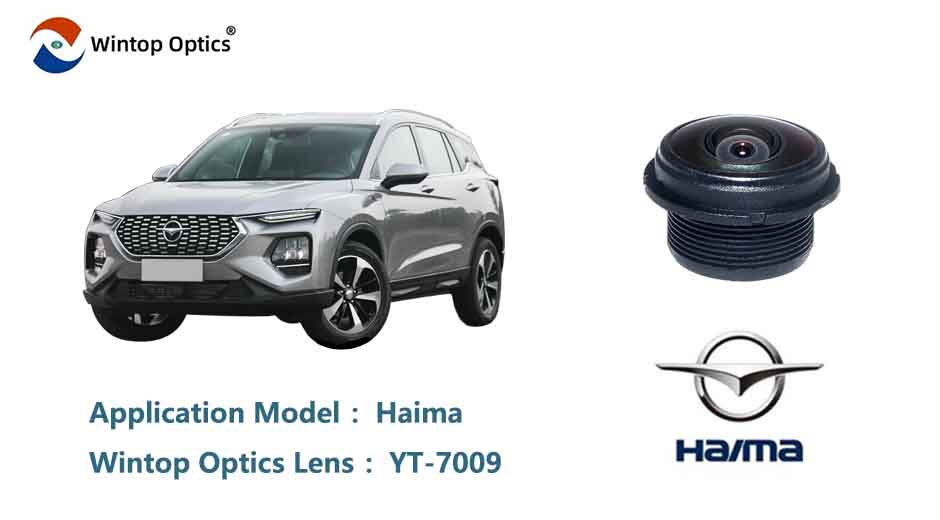
윈탑 옵틱스, 국내 유수의 자동차 광학 렌즈 솔루션 공급업체, 광학 설계 및 정밀 제조 분야의 전문성을 활용하여 YT-7009를 개발했습니다. 초광각 렌즈—차세대 AVM 시스템에 최적화되었습니다. 사용자 경험에 중점을 둔 중국 자동차 제조업체인 하이마 오토(Haima Auto)는 YT-7009를 새로운 플래그십 모델의 서라운드 뷰 시스템의 "눈"으로 선택했습니다.Wintop YT-7009 렌즈: 기술적 하이라이트 및 혁신YT-7009는 AVM의 핵심 문제점을 해결하는 체계적 혁신을 제공합니다.뛰어난 저조도 성능:고투과율 나노 코팅(95% 이상 광투과율)을 사용하여 미광을 억제합니다. 대형 포맷 고감도 센서와 호환되어 달빛 아래에서도 선명하고 노이즈가 적은 이미지를 제공합니다.95% 투과율,
더 읽어보기
렌즈 적용 사례 09--CHRYSLER
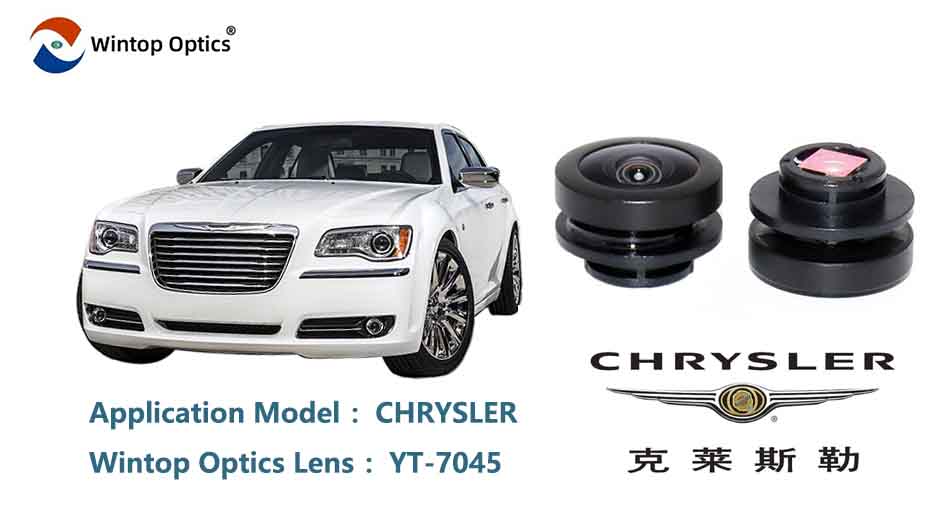
차량 안전 및 운전자 지원 기술이 끊임없이 발전함에 따라 고해상도 후방 카메라 시스템은 최신 차량의 기본 사양이 되었습니다. 18년 이상의 광학 제조 경험을 바탕으로, 윈탑 옵틱스 자동차 제조업체에 안정적이고 고성능을 제공합니다. 렌즈 솔루션당사의 주력 제품 중 하나인 YT-7045 렌즈가 크라이슬러(CHRYSLER) 모델의 후방 카메라 시스템에 성공적으로 통합되어 까다로운 조건에서도 선명한 화질과 견고한 성능을 제공합니다.프로젝트 배경 크라이슬러는 특히 저조도 및 광각 시야 조건에서 이미지 선명도를 개선하고 왜곡을 최소화하여 후진 시스템의 안전성과 사용자 경험을 향상시키고자 했습니다. 이러한 요구 사항을 충족하기 위해 윈탑은 자동차 환경의 후방 시야에 최적화된 소형 광각 렌즈인 YT-7045를 제공했습니다.렌즈 하이라이트YT-7045 렌즈는 후방 카메라 시스템용으로 특별히 설계되었으며, 다음과 같은 장점을 제공합니다.  넓은 시야: 200°의 수평 시야를 제공하는 이 렌즈는 후방 시야를 포괄적으로 확보하여 후진이나 주차 시 사각지대를 크게 줄여줍니다.  낮은 왜곡 디자인: 정밀 광학 기술을 사용하여 가장자리 왜곡을 최소화하고 후면 디스플레이 이미지의 정확도를 향상시켰습니다.  높은 이미지 선명도: 최대 2메가픽셀 해상도를 지원하고 높은 투과율 코팅을 통합하여 낮은 조명 조건에서도 뛰어난 감도와 세부 묘사를 구현합니다.  자동차 등급 신뢰성: 자동차 등급 표준을 완벽하게 준수하며 -40°C ~ +85°C의 극한 온도에서도 안정적인 성능을 발휘합니다.  컴팩트한 기계 구조: 직경이 Φ12.9mm에 불과해 컴팩트한 후방 카메라 모듈에 완벽하게 통합할 수 있습니다.고객 피드백크라이슬러 엔지니어링 팀은 렌즈의 광학적 품질과 견고한 환경 성능에 대해 강한 만족감을 표명했습니다.Wintop의 YT-7045 렌즈는 저희가 필요로 했던 바로 그 기능을 제공했습니다. 넓고 선명하며 왜곡 없는 후방 시야를 확보해 주었죠. 다양한 조건에서도 안정적인 성능을 발휘하여 저희 차량 플랫폼에 필수적인 부품이 되었습니다. Wintop의 기술 협력과 신속한 지원에 감사드립니다.결론 크라이슬러 후방 카메라 시스템에 YT-7045 렌즈를 성공적으로 적용한 것은 자동차 산업에 최첨단 광학 솔루션을 제공하고자 하는 윈탑의 의지를 보여줍니다. 윈탑은 앞으로도 차량 안전과 운전자의 자신감을 향상시키는 신뢰할 수 있는 이미징 부품을 지속적으로 혁신하고 제공할 것입니다.
더 읽어보기
렌즈 적용 사례 08--iRobot 스위핑 로봇
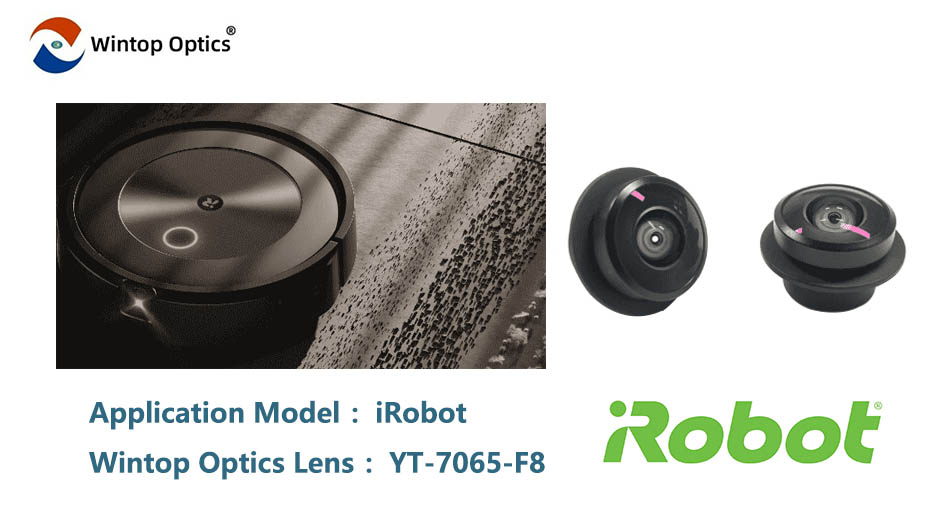
스마트 홈 기술의 급속한 발전으로 청소 로봇은 가정의 필수품으로 자리 잡았습니다. 로봇 청소 업계의 선구자인 iRobot 청소 로봇은 청소 방식을 완전히 바꿀 뿐만 아니라, 효율적인 소비자에게 더욱 편리한 가정 환경을 제공합니다. 인공지능과 사물 인터넷(IoT)의 발전으로 iRobot의 청소 로봇은 단일 청소 기기에서 스마트 홈 스튜어드로 변모하고 있습니다. iRobot 프로젝트는 모두 Wento Optics에서 개발한 YT-7065-F8 렌즈를 사용하여, 고객 가정 청소에 중점을 둔 진공 청소 로봇 개발에 대한 iRobot의 기여를 강조합니다.iRobot 진공청소기 렌즈는 집안 구석구석을 모니터링하는 고급 진공청소기의 일부입니다. iRobot 청소 로봇 렌즈는 바닥의 모든 얼룩에 초점을 맞춰 고객이 깨끗한 집을 유지할 수 있도록 합니다. Wintop Optics의 YT-7065-F8 렌즈는 iRobot 진공청소기 프로젝트에 채택되었습니다.YT-7065-F8
더 읽어보기
렌즈 적용 사례 07--잔디 깎는 기계
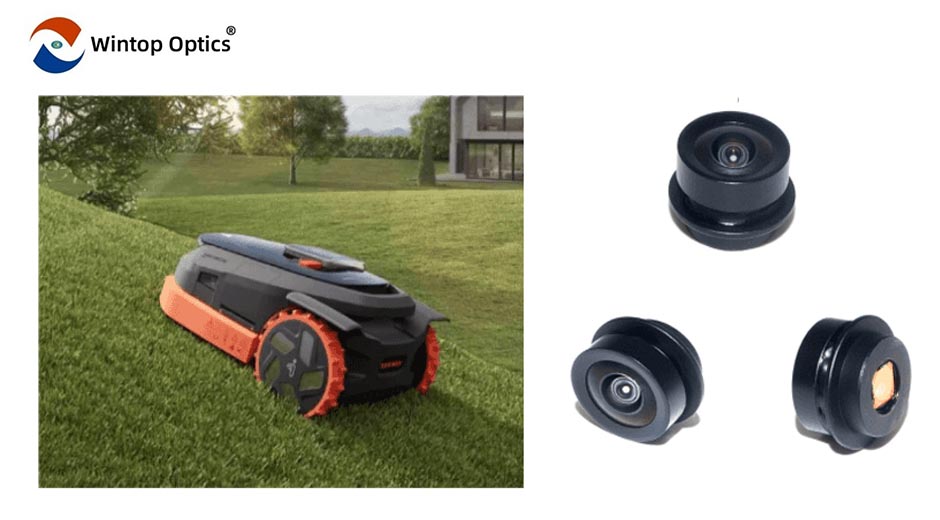
잔디 깎는 기계에 렌즈를 적용하면 더 나은 사용자 경험과 작동 정확성을 제공할 수 있습니다. 잔디 깎는 기계에 렌즈를 설치하면 다음과 같은 이점을 얻을 수 있습니다.지능형 경로 계획: 렌즈는 주변 환경의 이미지를 포착할 수 있습니다. 고해상도 기능 최적의 잔디 깎기 경로를 결정하는 이미지 인식 알고리즘을 탑재했습니다. 이 잔디 깎는 기계는 이미지 속 장애물을 분석하고 회피하여 잔디 깎기 과정을 더욱 효율적이고 정확하게 만들어냅니다. 마치 렌즈가 달린 스마트 로봇처럼 놀랍습니다.화단을 손상시키거나 지나가는 어린이의 머리를 베지 않도록 주의하세요. 렌즈에서 실시간 이미지 피드백을 제공하는 잔디 깎는 기계는 화단, 돌, 사람의 위치를 ​​감지하고 이에 따라 잔디 깎는 경로를 조정하여 손상을 방지합니다. 이런 기능에 반하지 않을 수 없죠. 안전한 카메라 렌즈잔디 깎기 높이 자동 조절: 카메라 렌즈 M12 총검 잔디밭의 실제 상황을 모니터링하고 잔디의 성장과 사용자가 설정한 원하는 높이에 따라 잔디 깎는 기계의 깎는 높이를 자동으로 조절합니다. 이를 통해 잔디 깎는 기계는 다양한 영역과 잔디 길이에 맞춰 적응적으로 깎아 잔디를 깨끗하고 고르게 유지할 수 있습니다.고장 진단 및 유지 관리 팁: 렌즈는 잔디깎이 기계의 작동 상태와 부품을 포착하여 사용자 또는 유지보수 담당자에게 이미지 데이터를 전송할 수 있습니다. 이러한 이미지 데이터를 분석하여 잠재적인 고장이나 유지보수 필요성을 사전에 감지하고, 잔디깎이 기계의 신뢰성과 수명을 향상시키기 위한 적시 조치를 취할 수 있습니다.전반적으로, 잔디 깎는 기계에 렌즈를 적용하면 이미지 인식 및 실시간 피드백과 같은 기술을 통해 지능형 경로 계획, 손상 방지, 잔디 깎기 높이의 자동 조정, 문제 진단 및 유지 관리 팁과 같은 솔루션을 제공하여 잔디 깎는 기계의 성능과 경험을 향상시킬 수 있습니다. 
더 읽어보기
렌즈 적용 사례 06--LEAPMOTOR
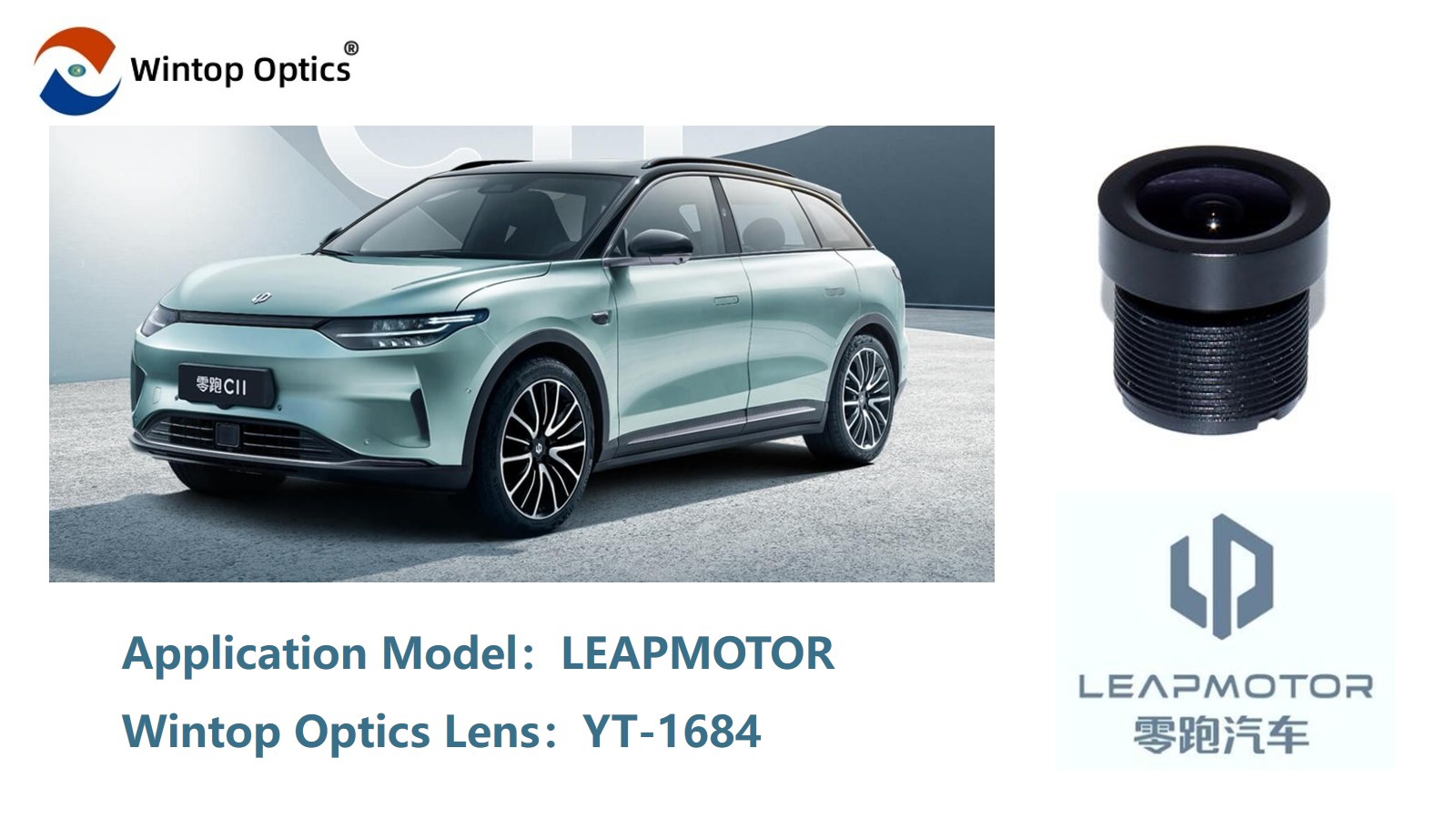
LEAPMOTOR에 Wintop Optics DVR 렌즈 YT-1684를 성공적으로 적용   자동차 안전 및 스마트 기술 분야에서 윈탑 옵틱스 뛰어난 광학 제품인 이미징 렌즈로 유명합니다. YT-1684 차량용 카메라 렌즈, 혁신적인 주행 기록 렌즈 Wintop Optics의 기술이 LEAPMOTOR 자동차에 성공적으로 적용되어 차량의 지능형 모니터링 시스템을 강화했습니다.   제품 특징: 고화질: YT-1684 DVR 렌즈는 고품질 광학 유리를 사용하여 선명한 이미지와 실제 색상을 보장합니다. 광각 시야: 100도 이상의 광각 시야를 제공하여 주행 상황을 선명하게 녹화합니다. 내구성: 자동차 카메라 렌즈는 내구성이 뛰어나고 다양한 혹독한 기상 조건을 견딜 수 있도록 설계되었습니다.   LEAPMOTOR 케이스: LEAPMOTOR는 선도적인 신에너지 자동차 제조업체로서 첨단 기술과 지능형 주행 경험을 제공하기 위해 최선을 다하고 있습니다. Wintop Optics와의 파트너십을 통해 렌즈 제조업체LEAPMOTOR는 YT-1684 자동차 DVR 렌즈를 자사 생산 모델에 통합했습니다.   성공 요인: 안전성 업그레이드: YT-1684의 고화질 및 초광각 시야 대시캠 렌즈 운전 안전을 크게 향상시키고 운전자가 주변 환경을 더 잘 모니터링할 수 있도록 도와줍니다. 지능형 통합: 카메라는 LEAPMOTOR 자동차의 지능형 운전자 지원 시스템과 완벽하게 통합되어 실시간 도로 상태 분석과 조기 경고 기능을 제공합니다. 사용자 피드백: 사용자들은 YT-1684의 성능에 매우 만족하고 있습니다. 자동차 DVR 렌즈특히 도로 상황을 기록하는 데 있어 선명한 이미지 성능이 뛰어납니다.   시장 영향: YT-1684 렌즈의 출시는 LEAPMOTOR의 시장 경쟁력을 강화할 뿐만 아니라 자동차 산업 전체의 기술 발전을 촉진합니다. Wintop Optics와 리프모터 스마트카 기술 개발에 있어서 이정표로 여겨진다.   미래 전망: 자율주행과 차량과 사물 간 통신 기술이 발전함에 따라, Wintop Optics의 YT-1684 차량용 DVR 렌즈는 미래 차량 안전 및 모니터링 시스템에서 더 큰 역할을 할 것으로 예상되며, 운전자에게 더욱 포괄적이고 지능적인 운전 경험을 제공할 것입니다.  
더 읽어보기
렌즈 적용 사례 05--FAW Jiefang
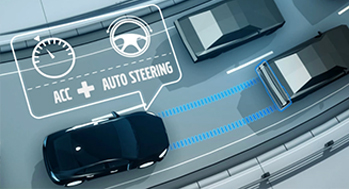
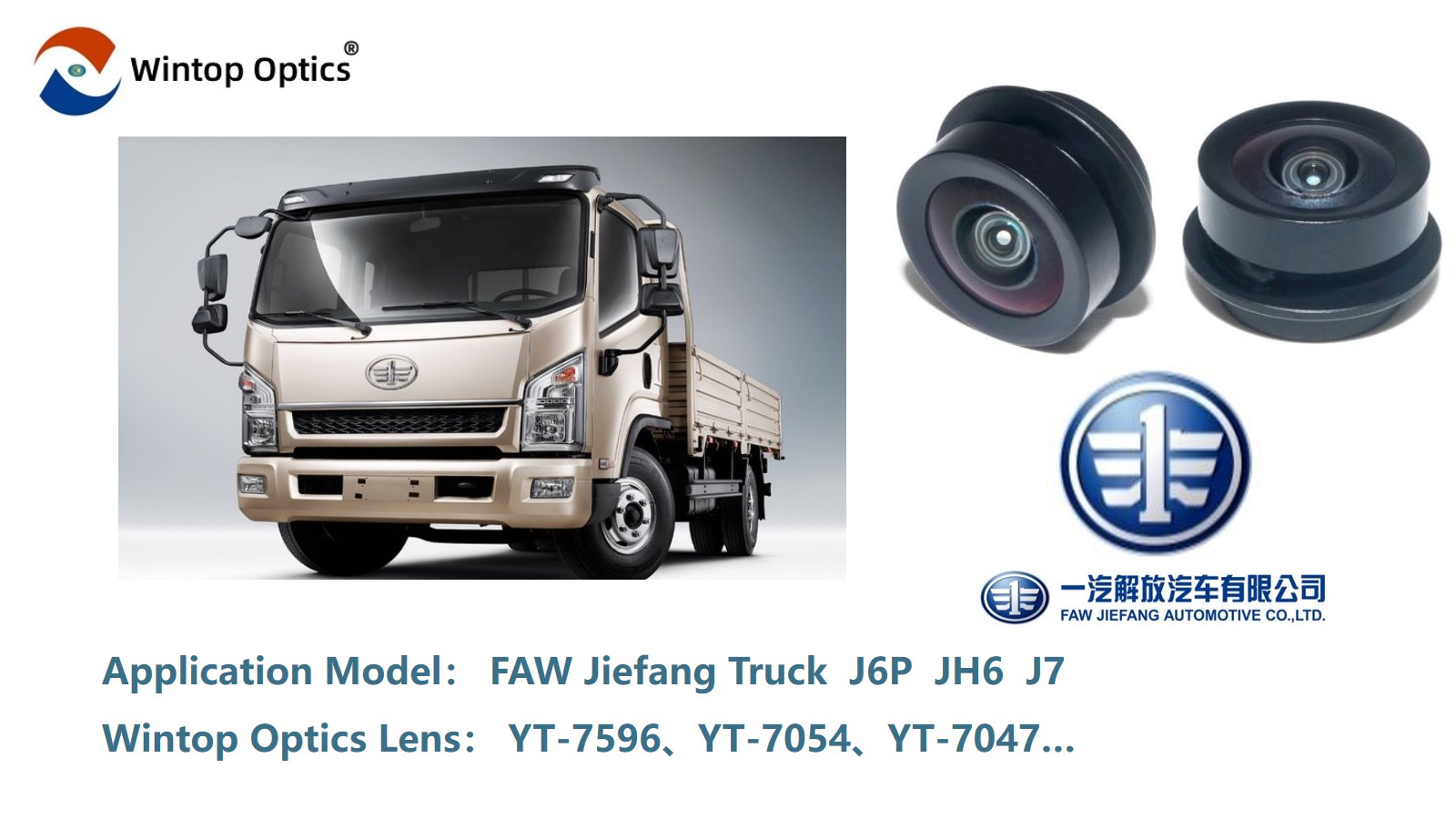
FAW Jiefang은 Wintop Optics의 여러 모델을 활용했습니다. 자동차 백미러 렌즈 YT-7596, YT-7054, YT-7047을 포함한 서라운드 뷰 렌즈를 제공합니다. 이러한 적용 사례는 Wintop 제품군의 다재다능함과 다양한 자동차 애플리케이션에 대한 적합성을 입증하며, 차량의 후방 및 서라운드 시야 기능을 향상시킵니다. 후방 및 서라운드 뷰 렌즈를 포함한 다양한 카메라 렌즈의 적용은 대형 트럭 운송의 안전성과 효율성을 향상시키는 데 중요한 역할을 합니다.사각지대 모니터링 렌즈: 이 렌즈는 고급 운전자 지원 시스템의 일부입니다.ADAS 렌즈)는 특히 차선 변경 시 트럭의 사각지대를 모니터링합니다. 운전자에게 실시간 경고를 제공함으로써 이러한 시스템은 도로 안전을 크게 향상시킵니다. 사각지대 모니터링 시스템에 사용되는 렌즈는 일반적으로 고해상도이며 필요한 영역을 모두 포착할 수 있는 넓은 시야각을 가지고 있습니다.어댑티브 크루즈 컨트롤(ACC) 및 차선 유지 보조(LKA) 렌즈: 이 렌즈는 안전거리 유지 및 차선 유지를 지원하는 시스템에 사용됩니다. 이 렌즈에는 전방 차량의 속도와 위치를 감지하는 첨단 센서가 장착되어 있어, 트럭이 이에 따라 속도를 조절합니다.
더 읽어보기
렌즈 적용 사례 04--Magna
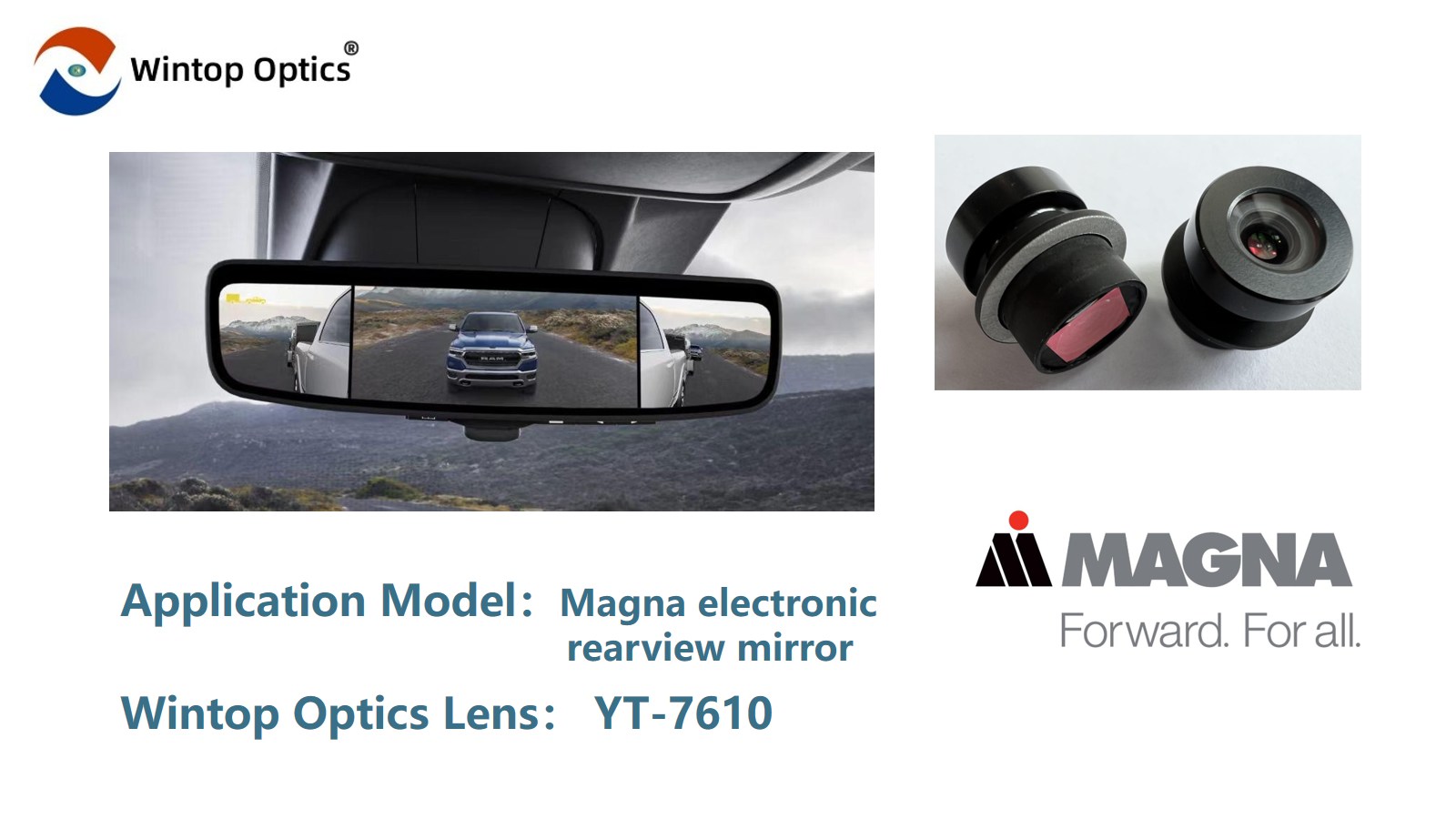
Wintop Optics의 YT-7610 모델 ADAS 렌즈 Magna의 사이드 뷰 및 ADAS(첨단 운전자 지원 시스템) 프로젝트에 선정되었습니다. 이 파트너십은 차량 안전 및 운전 지원 향상을 위해 설계된 정교한 시스템 개발을 지원하는 렌즈를 제공할 수 있는 Wintop의 역량을 입증합니다.자동차 측면 뷰 렌즈 사각지대 감지 및 차선 변경 지원에 사용되어 운전자에게 인접 차선을 명확하게 볼 수 있도록 해줍니다. 전자 후방 시야 렌즈 적응형 크루즈 컨트롤, 차선 이탈 경고, 충돌 회피 시스템과 같은 다양한 안전 기능에 필수적인 요소입니다. 카메라와 센서를 사용하여 차량 주변 데이터를 수집합니다. 윈탑 옵틱스의 YT-7610 모델 렌즈는 마그나의 측면 시야 및 ADAS 프로젝트에 채택되어 이러한 첨단 시스템을 지원할 수 있는 렌즈의 역량을 입증했습니다.
더 읽어보기
렌즈 적용 사례 03--AITO
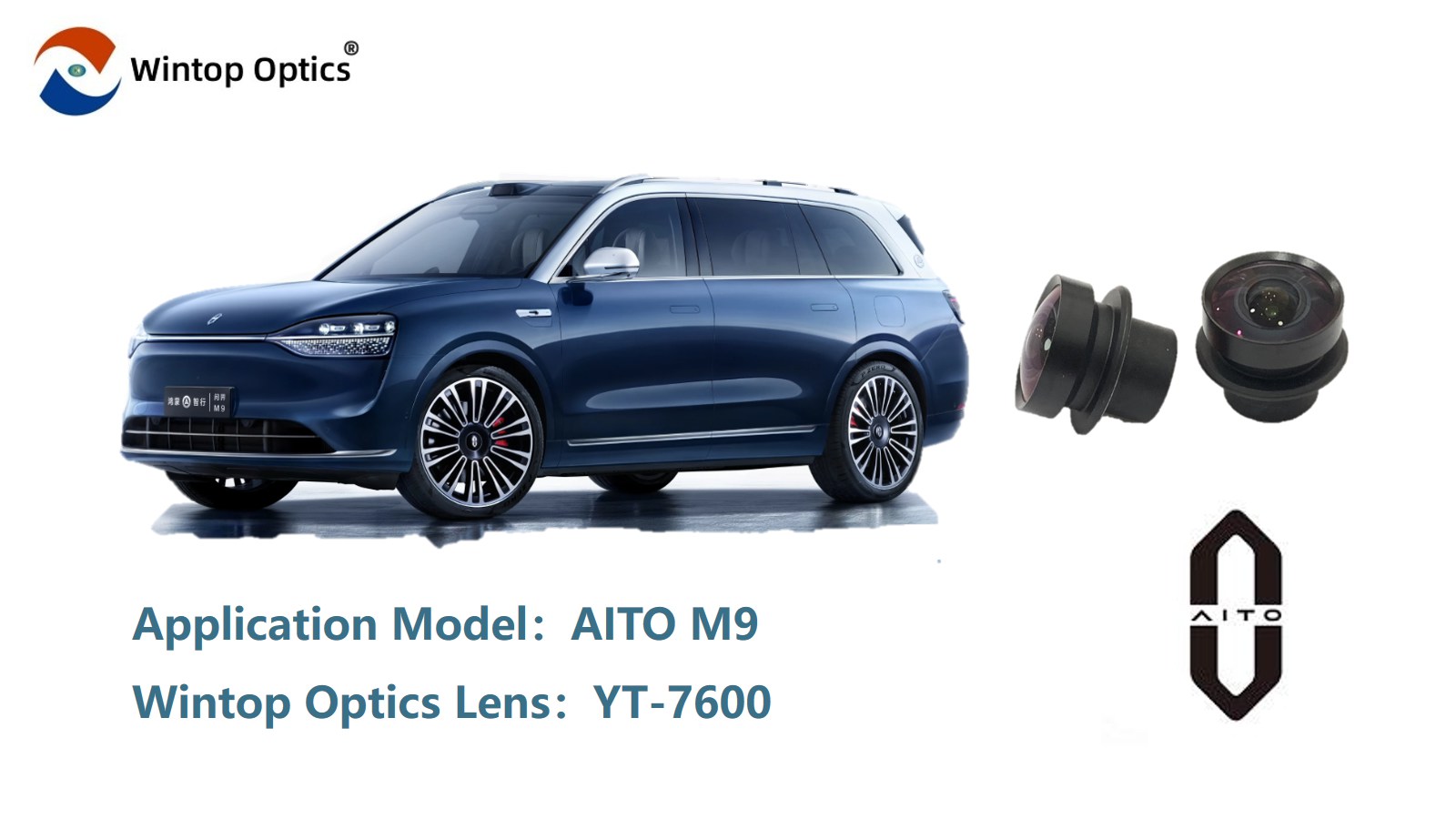
화웨이의 차량용 DMS(운전자 모니터링 시스템) 및 OMS(탑승자 모니터링 시스템) 프로젝트는 윈탑 옵틱스(Wintop Optics)에서 개발한 YT-7600 모델 렌즈의 도움을 받았습니다. 이는 운전자와 승객의 안전에 중점을 둔 최첨단 자동차 기술 개발에 기여하는 화웨이의 역할을 강조합니다.자동차(운전자 모니터링 시스템/탑승자 모니터링 시스템) DMS 렌즈 /OMS 렌즈 운전자의 주의력과 차량 내 탑승자의 상태를 모니터링하는 첨단 안전 시스템의 일부입니다. DMS 렌즈는 운전자의 얼굴에 초점을 맞춰 피로나 주의 산만 징후를 감지하고, OMS 렌즈는 탑승자를 모니터링하여 에어백과 같은 안전 기능이 올바르게 전개되는지 확인합니다. YT-7600 모델은 탑승자 모니터링 시스템 렌즈 Wintop Optics의 솔루션은 Huawei의 자동차 프로젝트에 채택되어 정교한 모니터링 시스템에 대한 적합성을 강조했습니다.
더 읽어보기

뉴스와 블로그

Wintop Optics는 광학 렌즈 기술의 경계를 넓히는 데 전념하고 있습니다. 미래 지향적인 렌즈 제조업체로서 당사는 전 세계 고객의 다양한 요구 사항을 충족하기 위해 새로운 광학 기술을 수용하면서 지속적으로 발전하고 있습니다. Wintop Optics는 귀하의 발전하는 파트너입니다.
블로그
What Makes a Good Automotive Camera Lens?
Choosing an automotive camera lens is not only about finding a lens that can produce an image. For vehicle camera applications, a good lens must support stable image quality, suitable field of view, reliable structure, environmental durability, and long-term production consistency. Automotive cameras are widely used in rear view systems, surround view systems, front view cameras, ADAS cameras, DMS, OMS, CMS, parking assistance, and dash camera applications. Each application has different requirements for optical performance and mechanical design. So, what makes a good automotive camera lens? The answer depends on the camera module design, application scenario, sensor, FOV, resolution, structure, and environmental requirements. 1. A Good Automotive Camera Lens Should Match the Application The first step in choosing an automotive camera lens is understanding the application. A rear view camera lens, a surround view camera lens, and a driver monitoring camera lens may all be used in vehicles, but their optical requirements are not the same. For example: Rear view cameras usually require a wide field of view and stable outdoor performance. Surround view cameras need ultra-wide angle coverage and good edge image quality. Front view cameras may require clearer long-distance imaging. DMS cameras focus more on near-distance imaging, face recognition, and IR performance. CMS cameras require stable image quality for side and rear visibility. Parking assistance cameras need compact structure, wide coverage, and environmental reliability. A good automotive camera lens should be selected based on the actual application instead of using one general lens for every project. 2. Suitable Field of View Is More Important Than Simply Being Wide Field of view is one of the most important specifications for automotive camera lenses. It determines how much area the camera can capture. However, a wider field of view is not always better. If the field of view is too narrow, the camera may not capture enough surrounding information. If the field of view is too wide, image distortion and edge quality may become more difficult to control. A good automotive camera lens should provide a suitable field of view for the application while maintaining usable image clarity and distortion control. For example: Application Typical FOV Consideration Rear View Camera Wide enough to cover the area behind the vehicle Surround View Camera Ultra-wide angle with good edge performance Front View Camera Balanced viewing angle and long-distance clarity DMS Camera Suitable coverage for the driver’s face and upper body OMS Camera Wider cabin coverage CMS Camera Stable side and rear viewing area The right FOV should be decided according to the vehicle camera system design, not only by lens appearance or general specifications. 3. Low Distortion Helps Keep the Image More Usable Many automotive camera lenses require wide-angle design. However, wide-angle lenses often bring distortion, especially near the edge of the image. In vehicle camera applications, excessive distortion may affect the visual experience and reduce the usability of the image. For example, parking reference lines, surrounding objects, road edges, and vehicle surroundings may appear less accurate if distortion is not well controlled. For surround view systems, low distortion and stable edge imaging are especially important because images from multiple cameras may need to be processed or stitched together. A good automotive camera lens should balance wide viewing angle and distortion control. It should help maintain a more natural and usable image structure for the camera module. 4. The Lens Should Match the Sensor, Not Limit It Many camera module projects use 2MP, 5MP, 8MP, or higher-resolution sensors. But a high-resolution sensor does not automatically guarantee a high-quality image. If the lens cannot match the sensor’s optical requirements, the final image quality may still be limited. When evaluating an automotive camera lens, customers should consider: Sensor size Image circle Resolution matching Chief ray angle FOV requirement Edge image quality Mechanical structure Working distance A good automotive camera lens should allow the sensor to perform properly. The lens and sensor need to work together as part of the complete camera module system. 5. Stable Image Quality Across the Whole Image Field Some lenses may show good image quality in the center but weaker performance near the edge. For automotive applications, this can be a problem. In rear view, surround view, CMS, and parking assistance applications, the edge area of the image may contain important visual information. If the edge image is blurry or distorted, it may affect the overall camera performance. A good automotive camera lens should provide stable image quality across the image field, not only in the center. This is especially important for wide-angle automotive camera lenses, where edge clarity, distortion control, and image consistency all need to be considered. 6. Automotive Camera Lenses Need Environmental Reliability Automotive environments are more demanding than many consumer electronics applications. A lens used in a vehicle may need to face temperature changes, vibration, humidity, dust, water exposure, and long-term operation. Exterior camera applications such as rear view cameras, surround view cameras, side view cameras, and parking cameras may require waterproof and dustproof performance. Interior applications such as DMS and OMS may pay more attention to IR performance, low-light imaging, and stable near-distance image quality. Depending on the project, automotive lens requirements may include: Waterproof design Dust resistance Temperature resistance Vibration resistance Stable optical performance Reliable mechanical structure Long-term production consistency A good automotive camera lens should be designed and evaluated according to the real working environment of the vehicle camera system. 7. Mechanical Structure Must Fit the Camera Module An automotive camera lens is not only an optical component. It must also match the camera module structure. Different projects may require different lens structures, such as M7, M8, M9, M10, M12, AA structure, or customized mechanical designs. The suitable structure depends on: Module size Sensor position Optical path Assembly method Waterproof design Space limitation Application environment Mass production process For camera module manufacturers, choosing a lens with the right mechanical structure can help improve assembly efficiency and project feasibility. A good automotive camera lens should match both the optical requirements and the mechanical design of the camera module. 8. Production Consistency Matters for Automotive Projects For automotive camera projects, a good sample is only the beginning. Customers also care about whether the lens can maintain stable quality during mass production. Automotive projects usually require long-term cooperation, stable supply, quality control, and consistent optical performance across batches. Important factors include: Sample consistency Batch stability Assembly accuracy Quality inspection Production control Long-term supply capability Communication efficiency during project development A good automotive camera lens supplier should support not only lens selection and sample evaluation, but also stable mass production and quality management. 9. Supplier Capability Is Part of Lens Quality When customers evaluate an automotive camera lens, they are also evaluating the supplier behind the lens. For automotive projects, supplier capability can directly affect project efficiency, product reliability, and long-term cooperation. A reliable automotive lens supplier should have: Automotive lens project experience Quality control system Optical design and evaluation support Ability to support different lens structures Stable production capability Clear project communication Experience with camera module requirements Wintop Optics has TS16949 and ISO certifications, as well as experience in automotive lens projects. These capabilities help support quality control, production consistency, and project-based lens evaluation for automotive camera module customers. 10. Wintop Optics Automotive Camera Lens Solutions Wintop Optics provides automotive camera lens solutions for different vehicle camera applications, including rear view cameras, surround view cameras, front view cameras, CMS, DMS, OMS, ADAS cameras, parking assistance cameras, and other camera module projects. We support different lens structure options, including M7, M8, M9, M10, M12, and AA lens solutions. According to the customer’s project requirements, we can help evaluate sensor matching, FOV, resolution, structure, application environment, and optical performance needs. If you are looking for an automotive camera lens solution, please send us your project information, including sensor model, sensor size, FOV, resolution, structure type, working distance, and application scenario. Our team can help recommend a suitable lens solution for your camera module project. Tel / WhatsApp: +86 15302689906Email: yorty@yuntal.com FAQ How do I choose the right automotive camera lens? To choose the right automotive camera lens, you need to consider the application, sensor model, sensor size, FOV, resolution, working distance, structure type, and operating environment. Different automotive camera applications require different lens designs, so lens selection should be based on the actual camera module project. Is a wider FOV always better for vehicle camera applications? No. A wider FOV can capture more surrounding information, but it may also bring more distortion and edge image challenges. The best FOV should meet the application requirement while maintaining usable image quality, distortion control, and sensor matching. Why is low distortion important for automotive camera lenses? Low distortion helps keep the image structure more natural and usable. This is important for applications such as rear view cameras, surround view systems, parking assistance, and image recognition. For wide-angle automotive lenses, distortion control should be considered together with FOV and edge clarity. Can one lens fit different sensors? Not always. Lens and sensor matching depends on sensor size, image circle, resolution, CRA, FOV, and mechanical structure. Even if two sensors have similar resolution, they may require different lens designs. Providing the sensor datasheet can help engineers evaluate whether a lens is suitable. What lens structure should I choose: M7, M8, M9, M10, M12, or AA? The suitable lens structure depends on the camera module size, assembly method, optical requirements, and application environment. M7, M8, M9, M10, M12, and AA structures can be considered according to project needs. For compact modules, smaller structures may be required. For higher alignment or specific assembly needs, AA structure may be evaluated. Do automotive camera lenses need waterproof design? It depends on the application. Exterior automotive cameras, such as rear view cameras, surround view cameras, side view cameras, and parking cameras, often need waterproof and dustproof considerations. Interior cameras, such as DMS and OMS, may focus more on IR, low-light imaging, and near-distance performance. Can Wintop customize lenses according to our camera module requirements? Yes. Wintop Optics can help evaluate lens solutions according to your sensor model, FOV, resolution, structure, working distance, and application requirements. We support different automotive camera lens structures, including M7, M8, M9, M10, M12, and AA solutions. Looking for a Suitable Automotive Camera Lens? Every automotive camera project has different optical and structural requirements. Whether your application is rear view, surround view, front view, CMS, DMS, OMS, ADAS, or parking assistance, lens selection should be based on the actual camera module design. Wintop Optics supports automotive camera lens solutions with different structures and project-based evaluation. Share your sensor model, FOV, resolution, structure, working distance, and application requirements with us. Our team will help recommend a suitable lens solution for your project. Tel / WhatsApp: +86 15302689906Email: yorty@yuntal.com
May 29,2026 더보기
블로그
How ADAS Camera Lenses Improve Driving Safety
Advanced Driver Assistance Systems, commonly known as ADAS, are becoming an important part of modern vehicle safety. These systems help drivers detect road conditions, monitor surrounding objects, identify potential risks, and improve overall driving awareness. In many ADAS applications, cameras play a key role in collecting visual information. However, the image quality of a camera system does not depend only on the image sensor. The camera lens is the first optical component that captures light and forms the image before it reaches the sensor. A suitable ADAS camera lens can help improve field of view, image clarity, distortion control, low-light performance, and long-term stability. These factors are closely related to how well a camera module can support driving safety functions. What Is an ADAS Camera Lens? An ADAS camera lens is an optical lens used in automotive camera modules for advanced driver assistance applications. It helps capture visual information around the vehicle and delivers the image to the sensor for further processing by the system. ADAS camera lenses can be used in different automotive camera applications, including: Front view cameras Rear view cameras Surround view cameras Driver Monitoring Systems Occupant Monitoring Systems Camera Monitor Systems Parking assistance cameras Lane departure warning systems Traffic sign recognition systems Different ADAS applications require different lens designs. For example, a front view camera may require long-distance clarity and low distortion, while a surround view camera usually requires a wider field of view and stable edge image quality. Why Camera Lenses Matter in ADAS Systems ADAS systems rely on clear and stable image input to recognize road conditions, vehicles, pedestrians, lane markings, traffic signs, and obstacles. If the lens cannot provide suitable optical performance, the sensor may not receive accurate image information. The camera lens affects several key imaging factors: Field of view Image clarity Distortion control Resolution matching Low-light performance Environmental reliability Mechanical structure compatibility A well-designed automotive camera lens helps the camera module capture more reliable image data, which can support safer and more stable ADAS performance. Wider Field of View Helps Capture More Road Information Field of view is one of the most important factors in ADAS camera lens selection. A wider field of view allows the camera to capture more surrounding information, which is useful for applications such as rear view cameras, surround view systems, parking assistance, and side view monitoring. For example, a rear view camera lens needs to cover the area behind the vehicle to help the driver observe obstacles during reversing. A surround view camera lens needs to capture a wide area around the vehicle to support a 360-degree view. However, a wider field of view is not always better by itself. It should be balanced with distortion control, image clarity, sensor size, and the actual application requirements. For ADAS camera modules, lens selection should consider both optical performance and system-level imaging needs. Low Distortion Supports More Accurate Image Recognition Distortion control is especially important for ADAS camera lenses. In automotive camera applications, image distortion can affect how objects, road lines, and surrounding environments appear in the image. For applications such as lane recognition, object detection, parking assistance, and surround view systems, low distortion helps maintain a more accurate image structure. This is particularly important near the edge of the image, where wide-angle lenses may produce more visible distortion. A low distortion ADAS camera lens can help improve image consistency and make the captured scene closer to the actual environment. This is valuable for systems that rely on image recognition and visual analysis. High Resolution Lens Matching Improves Object Detection Many automotive camera modules now use 2MP, 5MP, 8MP, or even higher-resolution sensors. However, a high-resolution sensor also requires a lens with matching optical performance. If the lens resolution is not sufficient, the sensor may not fully deliver its image quality potential. This can result in reduced image sharpness, lower detail recognition, and weaker performance in object detection. When choosing an ADAS camera lens, it is important to evaluate whether the lens can match the sensor size, resolution, image circle, and field of view requirements. A suitable lens helps the camera module capture clearer details, which can support better recognition of vehicles, pedestrians, road markings, and other objects. Stable Imaging in Different Driving Conditions Vehicles operate in many different environments. ADAS cameras may need to work in daylight, nighttime, rainy weather, tunnels, low-light environments, and backlight conditions. These changing conditions place higher requirements on the optical performance of automotive camera lenses. Depending on the project requirements, lens design may need to consider: Low-light imaging IR compatibility Anti-glare performance Optical coating Temperature changes Waterproof and dustproof requirements Vibration resistance Stable imaging performance helps the camera module provide more consistent visual information under different driving conditions. Automotive Applications Require Reliable Lens Design Automotive camera applications have higher reliability requirements than many consumer electronics applications. Lenses may need to withstand temperature changes, vibration, humidity, dust, water exposure, and long-term operation. For automotive projects, stable quality control and production consistency are also important. A lens used in an automotive camera module should not only meet optical requirements, but also support reliable assembly and mass production. Wintop Optics has TS16949 and ISO certifications, as well as experience in automotive lens projects. These capabilities help support stable quality control, project-based evaluation, and long-term cooperation for automotive camera module applications. Common ADAS Camera Applications and Lens Requirements Different ADAS camera applications require different optical and structural designs. Below are some common examples: ADAS Application Typical Lens Requirements Front View Camera Long-distance clarity, low distortion, stable imaging Rear View Camera Wide field of view, waterproof design, clear image output Surround View Camera Ultra-wide angle, distortion control, edge clarity Driver Monitoring System Near-distance imaging, IR support, face recognition Occupant Monitoring System Wide cabin coverage, low-light performance Camera Monitor System Stable image quality, automotive-grade reliability Parking Assistance Wide viewing angle, compact structure, environmental stability For each application, the lens should be selected according to the sensor, field of view, resolution, working distance, structure, and environmental requirements. How to Choose the Right ADAS Camera Lens To choose a suitable ADAS camera lens, customers usually need to evaluate both optical requirements and mechanical structure. Providing complete project information can help engineers recommend a more suitable lens solution. The key information usually includes: Application scenario Sensor model Sensor size Resolution requirement Field of view requirement Working distance Lens structure Mount type Waterproof requirement Operating temperature IR requirement Project stage Wintop Optics supports different lens structure options, including M7, M8, M9, M10, M12, and AA lens solutions. The suitable structure depends on the camera module design, optical requirements, assembly method, and application environment. Wintop Optics ADAS Camera Lens Solutions Wintop Optics provides optical lens solutions for automotive camera module applications, including rear view cameras, surround view cameras, CMS, DMS, OMS, and other ADAS-related systems. With TS16949 and ISO certifications, as well as experience in automotive lens projects, Wintop Optics supports customers with stable quality control, optical design evaluation, and project-based lens selection. We can provide different lens structure options, including M7, M8, M9, M10, M12, and AA lens solutions, depending on the camera module design and application requirements. If you are developing an ADAS camera module project, please send us your sensor model, FOV, resolution, structure, and application requirements. Our team can help recommend a suitable automotive camera lens solution. Tel / WhatsApp: +86 15302689906Email: yorty@yuntal.com FAQ 1.What information should I provide to choose an ADAS camera lens? To recommend a suitable ADAS camera lens, we usually need the sensor model, sensor size, resolution, FOV requirement, working distance, lens structure, application scenario, and operating environment. If the project has waterproof, IR, temperature, or vibration requirements, these details should also be provided. 2.Can one lens be used for different ADAS applications? Not always. Rear view, surround view, front view, DMS, OMS, and CMS applications may require different FOV, distortion control, working distance, structure, and environmental performance. A lens should be selected based on the actual camera module design and application requirements. 3.How important is distortion control for ADAS camera lenses? Distortion control is important because ADAS systems rely on image information for object detection, lane recognition, and surrounding environment analysis. A low distortion lens helps maintain a more accurate image structure, especially near the edge of the image. 4.Can the lens be customized according to our sensor and FOV requirements? Yes. Lens selection or customization can be evaluated according to your sensor model, sensor size, FOV, resolution, mechanical structure, and application scenario. For automotive camera projects, optical performance and mechanical reliability should be considered together. 5.What lens structures are available for automotive camera modules? Different automotive camera modules may use different lens structures, such as M7, M8, M9, M10, M12, and AA lens solutions. The suitable structure depends on the module size, optical requirements, assembly method, and application environment. 6.Do ADAS camera lenses need waterproof or high-temperature resistance? It depends on the application. Exterior automotive cameras such as rear view, surround view, and parking cameras usually need to consider waterproof, dustproof, temperature resistance, and vibration requirements. Interior cameras such as DMS or OMS may focus more on near-distance imaging, IR performance, and low-light conditions. Looking for a Suitable ADAS Camera Lens Solution?Every ADAS camera project has different optical and structural requirements. Whether your application is front view, rear view, surround view, DMS, OMS, CMS, or parking assistance, lens selection should be based on the actual camera module design.Wintop Optics supports automotive camera lens solutions with different structures, including M7, M8, M9, M10, M12, and AA lens options.Share your sensor model, FOV, resolution, structure, and application requirements with us. Our team will help recommend a suitable lens solution for your project.Tel / WhatsApp: +86 15302689906 Email: yorty@yuntal.com
May 29,2026 더보기
블로그
Why M12 Fisheye Lenses Dominate Bodiless Egocentric Data Acquisition
1. The Rise of Bodiless Egocentric Data Acquisition Bodiless egocentric data acquisition has emerged as a game-changer for embodied AI and robotics, eliminating reliance on bulky, expensive robot and enabling flexible, scalable first-person vision capture. This approach uses wearable devices (headbands, wrist cameras) to collect data from a human’s viewpoint, mirroring how robots perceive and interact with the world. Unlike traditional third-person setups, it captures natural hand-object interactions, unobstructed environmental views, and real-time motion cues—critical for training robust, generalizable AI models. As demand for high-quality egocentric data surges, the need for compact, high-performance optics has never been greater, making M12 fisheye lenses the top choice for this fast-growing field. 2. Compact & Lightweight Design for Wearable Integration The biggest advantage of M12 fisheye lenses in bodiless egocentric data acquisition is their ultra-compact, lightweight form factor. Featuring a standard M12×0.5 thread mount, these lenses measure just 12mm in diameter and weigh under 5g—60–80% smaller than conventional C-mount lenses. This miniaturization allows seamless embedding into head-mounted cameras, smart glasses, or wrist-worn devices without adding bulk or restricting movement, which is essential for long-duration, comfortable data collection. Whether capturing industrial assembly tasks, medical procedures, or daily household activities, M12 fisheye lenses enable "invisible" integration, ensuring natural human motion and uncompromised data capture. 3. Ultra-Wide FOV Eliminates Blind Spots for Full-Scene Coverage M12 fisheye lenses deliver industry-leading ultra-wide fields of view (FOV) ranging from 180° to 220°, solving the critical blind-spot problem in egocentric data acquisition. A single M12 fisheye lens replaces 3–5 standard wide-angle cameras, capturing the entire environment, hand movements, and task details in one frame without image stitching errors. This panoramic coverage is irreplaceable for bodiless setups, where the camera moves freely with the wearer—no need for complex calibration or multiple device synchronization. With low distortion (as low as -1.1% for premium models) and high resolution (2MP to 10MP), these lenses produce sharp, clear images across the entire FOV, even in low-light conditions with F2.0–F2.4 apertures. 4. Durability & Versatility for Harsh Real-World Environments Bodiless egocentric data acquisition often takes place in challenging real-world settings—industrial floors, outdoor construction sites, or humid medical environments—requiring lenses built for reliability. M12 fisheye lenses from Wintop Optics feature industrial-grade durability with IP67/IP69K dust and water resistance, operating reliably across extreme temperatures (-40°C to +85°C). Crafted with all-glass optical structures (no plastic components to deform), they resist vibration, thermal shock, and stray light, maintaining consistent image quality even in harsh conditions. Compatible with 1/3", 1/2.7", and 1/1.8" sensors, these lenses offer unmatched versatility, supporting diverse data collection scenarios from high-precision industrial tasks to outdoor navigation training. 5. Wintop Optics: Your Trusted Partner for Premium M12 Fisheye Lenses When choosing M12 fisheye lenses for bodiless egocentric data acquisition, Wintop Optics stands out as the leading provider, combining superior product performance with unmatched customer support. Our M12 fisheye lenses are engineered with precision optics, featuring low distortion, high light transmittance (>90%), and strict quality control to ensure consistent, reliable data capture. Beyond product excellence, we offer end-to-end services: custom optical design tailored to your specific sensor and FOV requirements, fast prototyping, and mass production with IATF16949 certification. With over 20 years of expertise in optical manufacturing and a 15,000㎡ production base, we deliver cost-effective solutions without compromising quality, helping you scale your egocentric data collection projects efficiently. Choose Wintop Optics M12 fisheye lenses—where innovation, durability, and expert support meet to power your next-generation embodied AI data acquisition.
May 22,2026 더보기
블로그
Why Embodied AI Needs Ultra-Wide Vision Systems
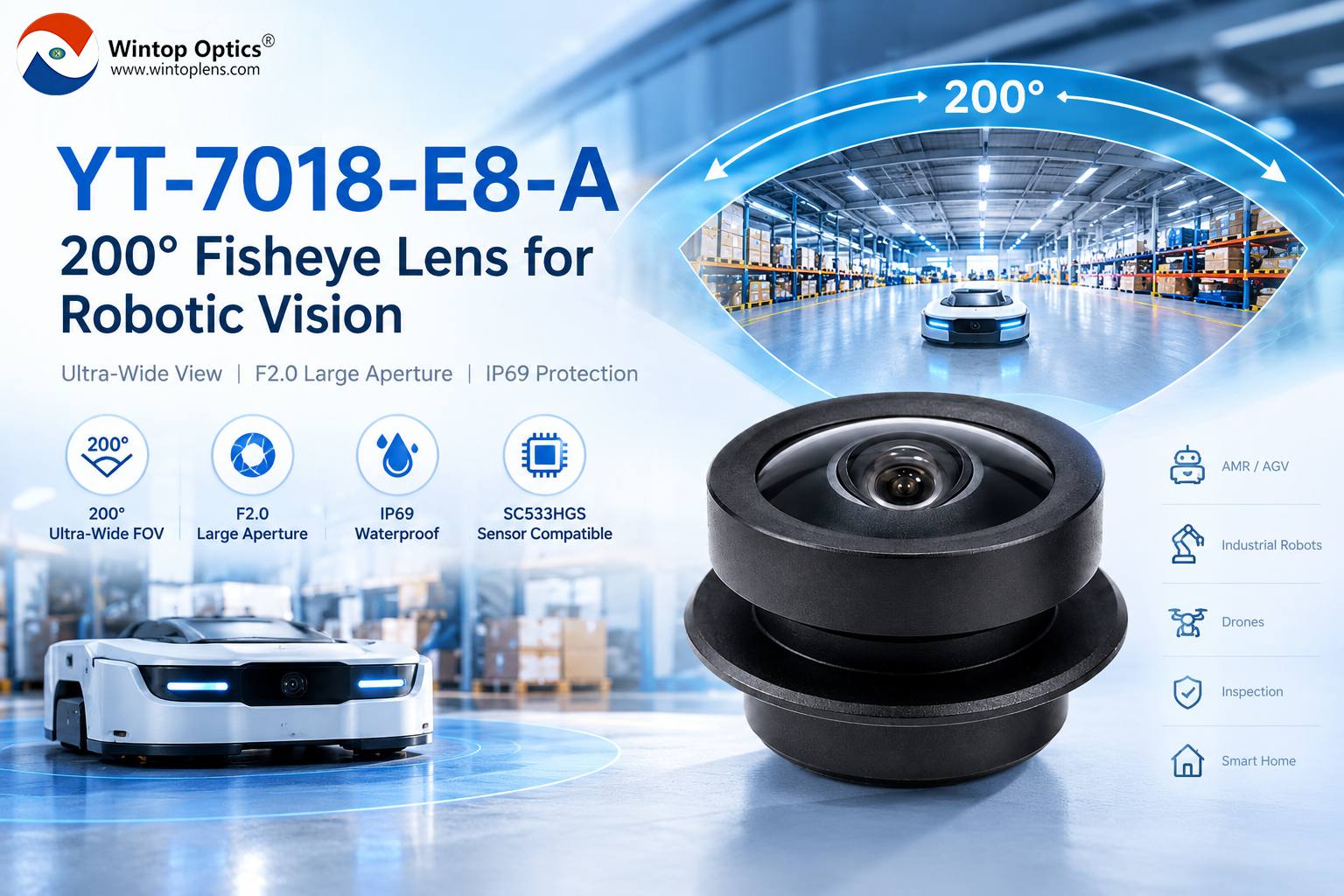
The Rise of Embodied AI and the Need for Better Perception Embodied AI is transforming the way robots interact with the physical world. Unlike traditional artificial intelligence systems that process data in virtual environments, embodied AI relies on real-world perception, decision-making, and physical actions. From humanoid robots and autonomous mobile robots (AMRs) to service robots and warehouse automation systems, these intelligent machines must continuously observe and understand their surroundings. To achieve this, developers require high-quality visual data and advanced sensing hardware. This growing demand has made ultra-wide angle camera lenses for embodied AI an essential component in modern robotic vision systems. Why Standard Cameras Are Not Enough for Robot Training When collecting visual data for robot learning, conventional lenses often suffer from limited fields of view, resulting in blind spots and incomplete environmental information. During first-person data collection for robot training, robots must capture objects, obstacles, human interactions, and surrounding environments simultaneously. A narrow viewing angle may miss critical details that affect navigation and task execution. By integrating a fisheye lens for robot vision systems, developers can significantly expand coverage, reduce blind areas, and improve the quality of training datasets. A wider perspective enables robots to better understand spatial relationships and environmental context, which are crucial for autonomous decision-making. Ultra-Wide Vision Accelerates High-Quality Data Collection The rapid development of embodied AI has created strong demand for large-scale visual datasets. Many AI companies now use wearable data collection devices, teleoperation platforms, and first-person recording systems to gather real-world training data. In these applications, an ultra-wide angle lens for AI data collection devices can capture more information within a single frame, improving data efficiency while reducing the number of cameras required. Whether recording human demonstrations, warehouse operations, retail interactions, or industrial workflows, wide-angle imaging helps preserve contextual information that supports advanced robot learning algorithms. This makes fisheye camera lenses for embodied AI training increasingly valuable in next-generation robotics projects. Enhancing Robot Environmental Awareness with Fisheye Lenses Environmental awareness is one of the most important capabilities for intelligent robots. To safely navigate dynamic environments, robots must accurately detect people, objects, pathways, and unexpected obstacles. An ultra-wide field-of-view lens for autonomous robots provides comprehensive scene coverage that improves perception accuracy and situational awareness. Combined with AI vision algorithms, fisheye imaging can support object detection, SLAM mapping, obstacle avoidance, and behavioral learning. As robots move into more complex real-world applications, from logistics and smart manufacturing to household assistance, wide-angle visual perception becomes a key competitive advantage. WINTOP Fisheye Lens Solutions for Embodied AI Applications At WINTOP OPTICS, we specialize in developing high-performance fisheye and ultra-wide-angle lens solutions for emerging AI vision applications. Our lenses are designed to deliver expansive fields of view, excellent image quality, and reliable performance for embodied AI data collection systems, humanoid robot vision platforms, and wearable first-person recording devices. Beyond advanced optical design, WINTOP provides flexible customization services, rapid project support, low MOQ options, strict quality control, and extensive experience serving global customers in robotics, automotive, security, and intelligent imaging industries. With strong R&D capabilities and years of optical innovation, WINTOP helps customers accelerate product development and build more capable robotic vision systems for the future. Looking for a fisheye lens solution for your embodied AI project? Contact WINTOP OPTICS today and discover how ultra-wide vision can power the next generation of intelligent robots.
May 22,2026 더보기
블로그
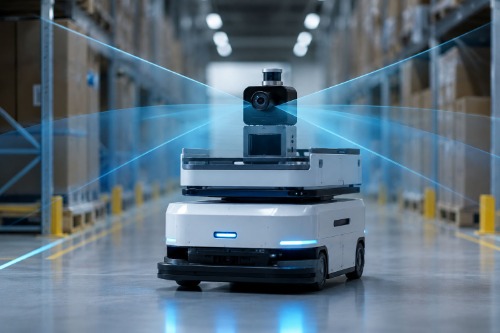
AGV 로봇에 가장 적합한 카메라 렌즈
AGV 로봇에 비전 시스템이 필수적인 이유창고 자동화 및 스마트 물류가 지속적으로 발전함에 따라 AGV(자동 유도 차량) 로봇은 현대 물류 시스템의 핵심 요소로 자리 잡고 있습니다. 자율 주행부터 장애물 감지, 팔레트 운반에 이르기까지 AGV 로봇은 안전하고 효율적인 작동을 위해 머신 비전 시스템에 크게 의존합니다. 따라서 안정적인 주행과 정확한 환경 인식을 위해서는 AGV 로봇에 가장 적합한 카메라 렌즈를 선택하는 것이 매우 중요합니다.고품질 AGV 로봇 카메라 렌즈는 역동적인 창고 환경에서 이미지 선명도, 내비게이션 정밀도 및 AI 인식 성능을 향상시키는 데 도움이 됩니다. 자율 주행 지게차, AMR 로봇 또는 지능형 창고 차량 등 어떤 시스템에 사용되든 광학 성능은 시스템 신뢰성에 직접적인 영향을 미칩니다.이상적인 AGV 카메라 렌즈의 주요 특징AGV 로봇은 조명 조건이 다양하고 통로가 좁으며 끊임없이 움직여야 하는 대형 창고에서 작동하는 경우가 많습니다. 따라서 이상적인 환경은 다음과 같습니다. AGV 내비게이션용 머신 비전 렌즈 제공해야 하는 사항:왜곡이 적은 이미징광각 시야각고해상도 성능저조도 환경에서도 뛰어난 성능을 발휘합니다.안정적인 광학적 일관성로봇 통합을 위한 소형 구조저왜곡 창고 로봇 비전 렌즈는 SLAM 내비게이션 시스템에 특히 중요합니다. 이미지 왜곡은 매핑 정확도를 떨어뜨리고 경로 계획에 영향을 미칠 수 있기 때문입니다. 또한 광각 렌즈를 사용하면 AGV 로봇이 더 많은 주변 환경 정보를 캡처할 수 있어 장애물 회피 및 내비게이션 안전성을 향상시킬 수 있습니다.카메라 렌즈가 AGV 내비게이션 정확도를 향상시키는 방법최신 AGV 로봇은 AI 비전, LiDAR 및 카메라 시스템을 함께 사용하여 자율적인 이동을 구현합니다. 많은 창고 자동화 애플리케이션에서 카메라는 로봇의 "눈" 역할을 합니다. 신뢰할 수 있는 AGV 로봇은 AI 비전, LiDAR 및 카메라 시스템을 결합하여 자율적인 이동을 가능하게 합니다. AGV 로봇용 SLAM 카메라 렌즈 정확한 위치 파악, 선반 인식, QR 코드 판독 및 경로 추적 기능을 제공합니다.스마트 창고에서 AGV 시스템은 실시간 의사 결정을 위해 빠른 이미지 처리가 필수적입니다. 창고 자동화를 위한 고성능 로봇 비전 렌즈는 고속 작동 중 이미지 전송 품질을 크게 향상시키고 인식 오류를 줄일 수 있습니다. 이는 로봇이 24시간 내내 지속적으로 작동하는 물류 센터에서 특히 중요합니다.윈탑 옵틱스 - AGV 로봇을 위한 전문 렌즈 솔루션전문 광학 렌즈 제조업체인 윈탑 옵틱스는 맞춤형 렌즈를 제공합니다. AGV 로봇 카메라 렌즈 스마트 물류, 창고 자동화 및 로봇 비전 시스템을 위한 솔루션을 제공합니다. 당사 제품은 AGV 내비게이션, AMR 로봇, 자율 주행 지게차, 로봇 피킹 시스템 및 지능형 창고 애플리케이션에 널리 사용됩니다.15,000㎡ 규모의 자체 공장, 숙련된 광학 엔지니어링 팀, 그리고 완벽한 OEM/ODM 맞춤 제작 역량을 갖춘 윈탑 옵틱스는 안정적인 생산 능력과 엄격한 품질 관리를 통해 전 세계 고객을 지원합니다. 왜곡이 적은 광각 렌즈부터 맞춤형 머신 비전 솔루션까지, 고객이 더욱 안정적이고 효율적인 AGV 비전 시스템을 구축할 수 있도록 돕습니다.AGV 내비게이션에 최적의 머신 비전 렌즈를 찾고 계신다면, 윈탑 옵틱스가 귀사의 차세대 스마트 물류 프로젝트를 지원할 준비가 되어 있습니다.
May 09,2026 더보기
  • 윈탑 옵틱스, 저조도 차량 영상 품질 향상을 위한 YT-5755P-Q1 F1.1 자동차 후방 카메라 렌즈 출시
    지능형 주행 시스템과 차량 안전 기술이 지속적으로 발전함에 따라, 이에 대한 수요가 증가하고 있습니다. 고성능 자동차 카메라 렌즈 후방 시야 시스템에 대한 수요가 빠르게 증가하고 있습니다. 이러한 수요 증가에 부응하기 위해 윈탑 옵틱스는 후방 카메라, 후방 모니터링 시스템 및 지능형 차량 비전 애플리케이션을 위해 설계된 광각 대구경 광학 솔루션인 새로운 YT-5755P-Q1 자동차 후방 렌즈를 공식 출시했습니다.YT-5755P-Q1은 안정적인 성능, 넓은 시야각, 향상된 저조도 영상 품질이 필수적인 최신 자동차 영상 환경에 맞춰 특별히 설계되었습니다. 첨단 F1.1 대구경 렌즈 설계를 통해 지하 주차장, 터널, 비 오는 날씨, 야간 주행 등 까다로운 조명 조건에서도 더욱 밝고 선명한 이미지를 제공합니다.자동차 후방 카메라 시스템용으로 설계되었습니다.최신 차량용 후방 시야 시스템은 기본적인 영상 성능 이상의 것을 요구합니다. 넓은 영역을 커버하고, 안정적인 영상 품질을 제공하며, 복잡한 실외 환경에서도 신뢰할 수 있는 작동을 보장해야 합니다. YT-5755P-Q1은 이러한 요구 사항을 충족하는 전문가용 시스템으로 개발되었습니다. 자동차용 후방 카메라 렌즈이를 통해 후방 시야 확보 및 운전 안전성이 향상됩니다.3.30mm의 초점 거리와 최대 135°의 대각선 시야각을 갖춘 이 광각 자동차 렌즈는 사각지대를 크게 줄여 운전자가 주변 장애물과 보행자를 더 잘 인지할 수 있도록 도와줍니다. 이 렌즈는 다음과 같은 다양한 자동차 이미징 용도에 적합합니다.후방 카메라 시스템후방 카메라 시스템주차 보조 카메라서라운드 뷰 시스템상용 차량 모니터링스마트 교통 비전 시스템ADAS 후방 시야 플랫폼최적화된 광학 성능 덕분에 승용차와 상용 운송 시스템 모두에 이상적인 솔루션입니다.F1.1 대구경 조리개로 뛰어난 저조도 이미징 성능 제공YT-5755P-Q1의 가장 중요한 특징 중 하나는 F1.1의 대구경 광학 구조입니다. 기존 자동차용 렌즈와 비교했을 때, 더 큰 조리개는 이미지 센서로 더 많은 빛을 유입시켜 이미지 밝기를 향상시키고 저조도 환경에서 노이즈를 줄여줍니다.자동차 후방 모니터링 시스템에서 야간 영상의 선명도는 안전과 지능형 인식 기능에 매우 중요합니다. 이 저조도 자동차 카메라 렌즈는 어두운 환경에서도 더욱 선명한 후방 영상을 유지하여 후진 및 주차 작업을 더욱 안전하고 안정적으로 만들어 줍니다.이 렌즈는 또한 2G5P+1IR 광학 구조를 채택하여 높은 투과율의 광학 요소와 통합 IR 필터를 결합함으로써 자동차 이미징 시스템에서 더욱 안정적인 색 재현과 향상된 이미지 일관성을 제공합니다.다양한 센서 크기와의 폭넓은 호환성YT-5755P-Q1은 다양한 차량용 카메라 플랫폼을 지원하기 위해 1/2.7", 1/2.8", 1/3" 이미지 센서를 포함한 여러 센서 포맷과 호환됩니다. 센서 크기에 따라 렌즈는 컴팩트한 통합 기능을 유지하면서 최적화된 시야각 성능을 제공합니다.컴팩트한 M12×0.5 렌즈 마운트 디자인 덕분에 설치 공간이 제한적인 임베디드 자동차 카메라 모듈 및 후방 모니터링 시스템에 유연하게 설치할 수 있습니다.이 렌즈는 IP67 방수 및 방진 등급을 갖추고 있어 비, 먼지, 진동 및 온도 변화에 노출되는 열악한 실외 환경에서도 안정적으로 작동할 수 있습니다.지능형 차량 비전의 미래를 지원합니다자동차 비전 시스템이 더욱 지능화되고 자동화됨에 따라 광학 성능은 차량 안전 및 환경 인지에 있어 점점 더 중요한 역할을 하고 있습니다. 윈탑 옵틱스 당사는 전 세계 고객에게 전문적인 자동차 광학 렌즈 솔루션을 제공하기 위해 지속적으로 노력하고 있습니다.수년간 차량용 카메라 렌즈, 광각 M12 렌즈, ADAS 렌즈 및 후방 카메라 광학 시스템 개발 경험을 쌓아온 윈탑 옵틱스는 지능형 차량 애플리케이션을 위한 OEM 및 ODM 맞춤 제작 서비스, 안정적인 제조 품질, 유연한 광학 설계 지원을 제공합니다.YT-5755P-Q1 자동차 후방 카메라 렌즈 또는 맞춤형 자동차 광학 솔루션에 대한 자세한 내용은 Wintop Optics에 직접 문의하십시오.📞 전화/왓츠앱: +86 15302689906📧 이메일: yorty@yuntal.com
    May 15, 2026 소식
  • 윈탑 옵틱스는 2026년 상하이에서 열리는 레이저 월드 오브 포토닉스 전시회에 참가합니다.
    Wintop Optics는 전문 광학 장비 제조업체입니다. 고성능 광학 렌즈현재 아시아에서 가장 영향력 있는 광자 및 광학 산업 박람회 중 하나인 상하이 레이저 월드 오브 포토닉스에 참가하고 있습니다. 이번 전시회는 중국 상하이에서 개최되며, 전 세계 업계 리더, 엔지니어 및 혁신가들이 모여 광학 기술, 머신 비전 시스템 및 이미징 솔루션 분야의 최신 개발 동향을 살펴봅니다. Wintop Optics 부스(E5.5832)를 방문하세요. 행사 기간 동안, 윈탑 옵틱스 광학 렌즈 분야의 최신 혁신 기술을 선보이고 있습니다. 여기에는 다음이 포함됩니다. 머신 비전 애플리케이션용 고품질 M12 렌즈 자동차 이미징 시스템용 고급 ADAS 카메라 렌즈 초광각 및 어안 렌즈 스마트 기기 및 감시용 산업 및 AI 기반 이미징을 위한 맞춤형 광학 렌즈 솔루션 부스 E5.5832에 방문하셔서 당사 제품을 직접 체험해 보시고, 전문 엔지니어링 및 영업팀과 맞춤형 광학 솔루션에 대해 상담해 보십시오. 광학 이미징 분야의 혁신을 주도하다 20년 이상의 광학 렌즈 설계 및 제조 경험을 보유한 Wintop Optics는 다음과 같은 다양한 산업 분야에 안정적이고 혁신적인 이미징 솔루션을 지속적으로 제공하고 있습니다. 지능형 주행 및 자동차 안전 산업 자동화 및 머신 비전 스마트 홈 및 보안 시스템 로봇공학 및 AI 영상 처리 당사가 상하이에서 열리는 레이저 월드 오브 포토닉스에 참가하는 것은 광학 기술의 최첨단에 머물고 글로벌 파트너십을 강화하려는 당사의 의지를 반영합니다. 상하이에서 만나요 고객, 파트너 및 업계 전문가 여러분을 진심으로 환영합니다. 저희 부스에 방문하셔서 당사의 고성능 광학 렌즈가 여러분의 차기 프로젝트에 어떻게 도움이 될 수 있는지 살펴보시기 바랍니다. 📍 부스: E5.5832 📍 위치: 중국 상하이
    Mar 18, 2026 소식
  • Wintop Optics, 스트리밍 백미러 시스템용 YT-7739-F8 렌즈 출시
    Wintop Optics는 새로운 YT-7739-F8 출시를 자랑스럽게 발표합니다. 스트리밍 백미러 렌즈차세대 차량용 비전 시스템을 위해 뛰어난 선명도, 광각 커버리지, 뛰어난 내구성을 제공하도록 설계되었습니다. 수요가 증가함에 따라 스마트 자동차 렌즈YT-7739-F8은 광학적 정밀성과 환경적 신뢰성의 완벽한 균형을 제공하여 모든 주행 조건에서 선명하고 안정적인 성능을 보장합니다. 전체 도로 인식을 위한 광각 커버리지 YT-7739-F8은 2.1mm의 초점거리를 갖추고 있으며, 인상적인 157° 대각선 시야각을 구현하여 스트리밍 백미러가 왜곡 없이 포괄적이고 실시간적인 후방 시야를 표시할 수 있습니다. 이 초광각 FOV는 운전자의 상황 인식을 향상시켜 사각지대를 줄이고 차선 변경 및 후진 기동 시 안전성을 향상시킵니다. 높은 광 투과율 및 낮은 왜곡 정밀하게 설계된 이 렌즈는 평균 투과율 ≥ 90%(455~585nm) 및 640nm에서 50% 투과율을 달성하여 까다로운 조명 조건에서도 생생하고 고대비 이미지를 보장합니다. 낮은 왜곡률(< -25%와 높은 상대 조도(> 68%) 덕분에 사실적이고 가장자리부터 가장자리까지 선명한 이미지 품질이 보장되므로 자동차 디스플레이 및 녹화 시스템에 이상적입니다. 극한의 자동차 환경을 위해 제작됨 6G + 1BG 광학 구조로 설계된 YT-7739-F8은 뛰어난 광학적 안정성과 최소한의 색수차를 제공합니다. 렌즈는 -40°C에서 +85°C까지의 온도 범위에서도 성능을 유지하며, 자동차 등급 내구성에 대한 엄격한 기준을 충족합니다. 견고한 A6061 알루미늄 하우징과 IP69K 방수 및 방진 등급을 갖춘 이 제품은 고압의 물, 먼지 침투, 진동을 견뎌내므로 여름철 더위와 폭우 조건에서도 안정적인 성능을 보장합니다. 최신 차량 시스템에 최적화됨 YT-7739-F8은 Sony IMX307 센서(1920×1080)와 호환되며 스트리밍 백미러, 주차 지원 시스템, 서라운드 뷰 모니터링(AVM)에 사용되는 고급 이미징 모듈을 지원합니다. 광학 설계를 통해 고화질 디스플레이에 안정적인 이미지 출력을 보장하고, 운전자에게 실시간으로 선명하고 지연 없는 시각적 경험을 제공합니다. 자동차 비전의 미래를 주도하다 차량이 더욱 스마트하고 안전한 비전 기술을 계속 통합함에 따라 Wintop Optics는 신뢰할 수 있는 기술 개발에 전념하고 있습니다. 고성능 자동차 렌즈 운전의 안전성과 편안함을 모두 향상시킵니다. YT-7739-F8은 광각 정밀도, 환경 내구성, 광학적 우수성을 하나의 컴팩트한 디자인으로 결합하여 광학 혁신의 또 다른 진전을 나타냅니다. Wintop Optics 소개 자동차, 보안 및 산업용 광학 렌즈 제조 분야에서 19년 이상의 전문성을 보유하고 있습니다. 윈탑 옵틱스 전 세계 고객에게 고급 이미징 솔루션을 제공합니다. 당사는 광학 성능, 내구성, 그리고 지능형 이미징 애플리케이션에 중점을 두고 끊임없이 혁신을 거듭하고 있습니다.
    Nov 08, 2025 소식

도움이 필요하다? 우리와 채팅

메시지를 남겨주세요
정보나 기술 지원을 요청하려면 양식을 작성하세요. 별표*가 표시된 모든 필드는 필수입니다.
제출하다

제품

whatsApp

연락하다