우리의 우수한 제품

광학렌즈(Optical Lens)는 빛을 집중시켜 선명한 상을 맺게 하는 광학영상시스템의 핵심부품인 광학부품이다. 광학렌즈의 주요 기능은 광학적 원리를 통해 빛을 정밀하게 제어하여 고품질의 영상을 획득하고 처리하는 것입니다. 광학 렌즈의 주요 기능은 광학 이미징입니다.
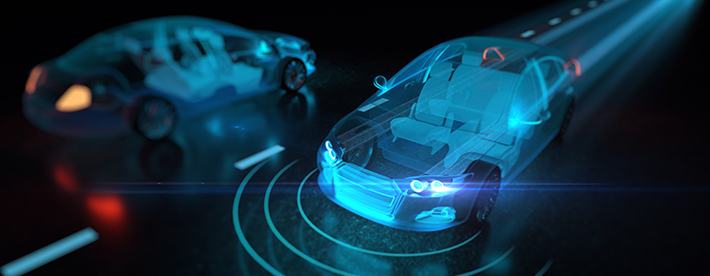
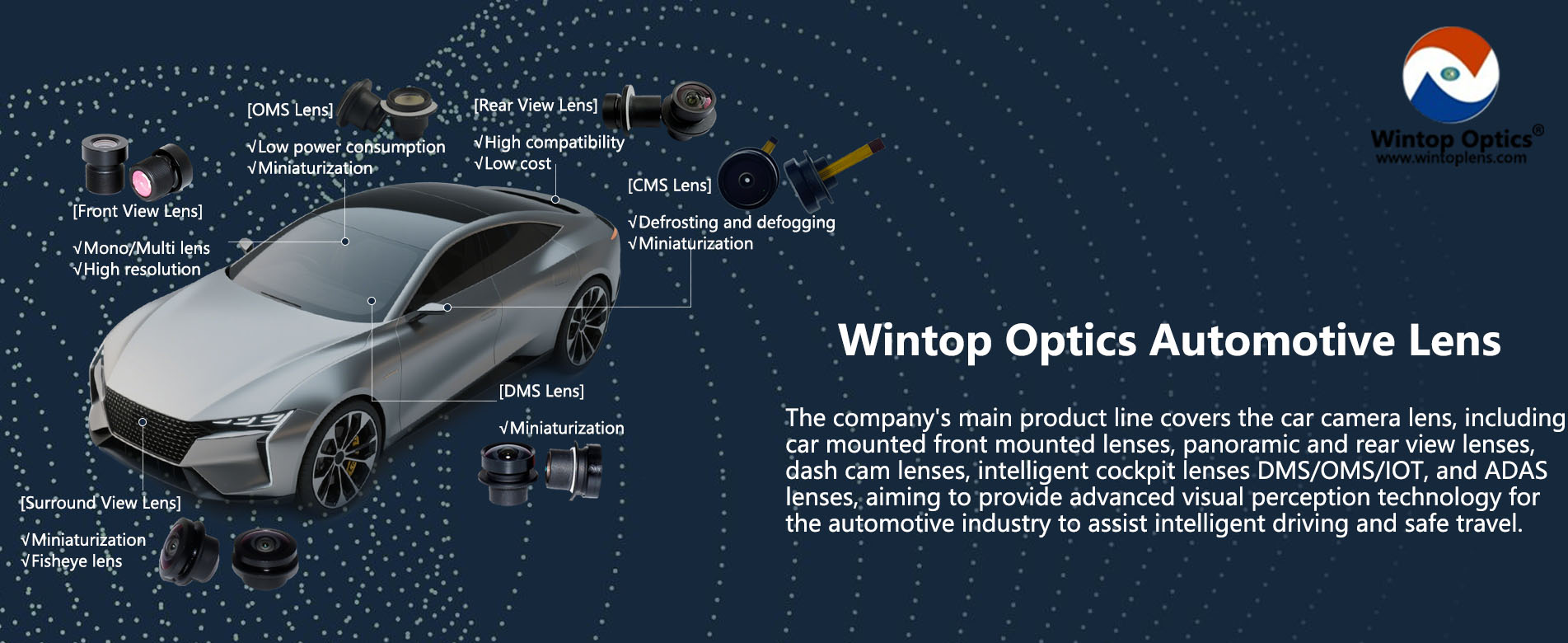
자동차용 카메라 렌즈
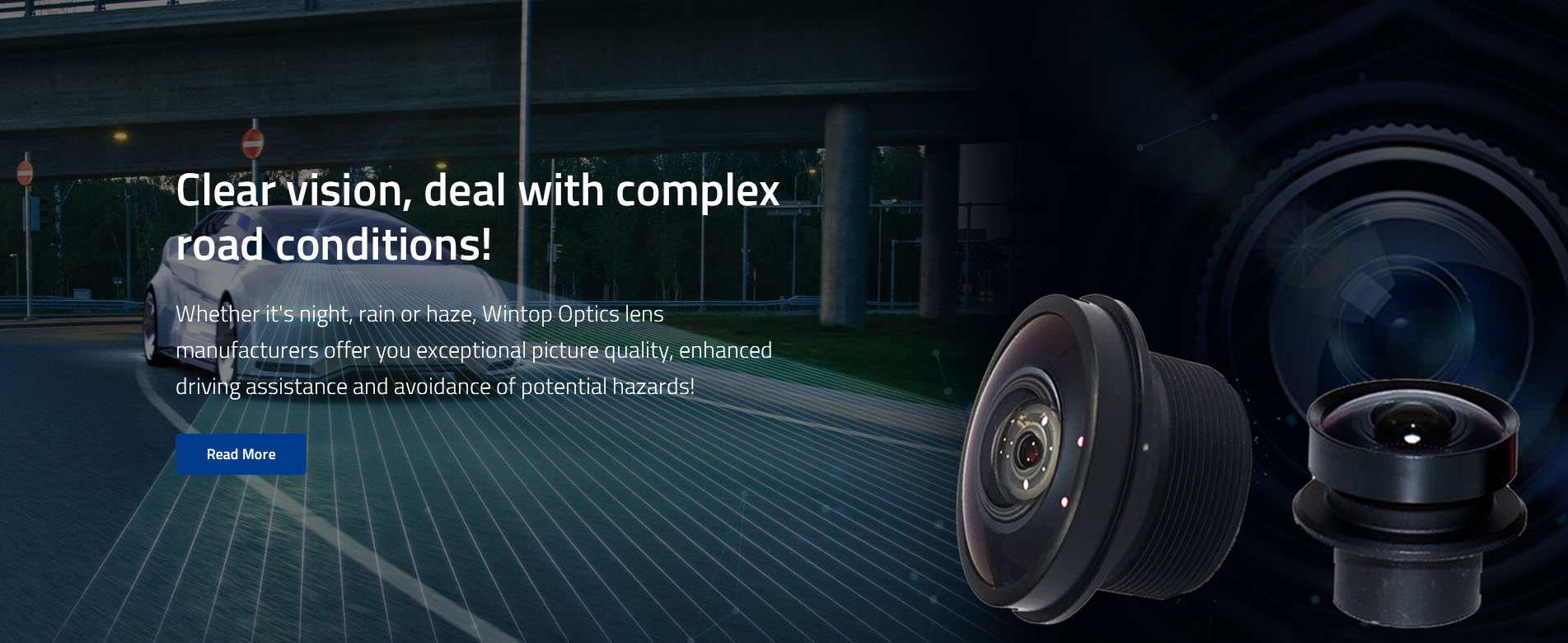
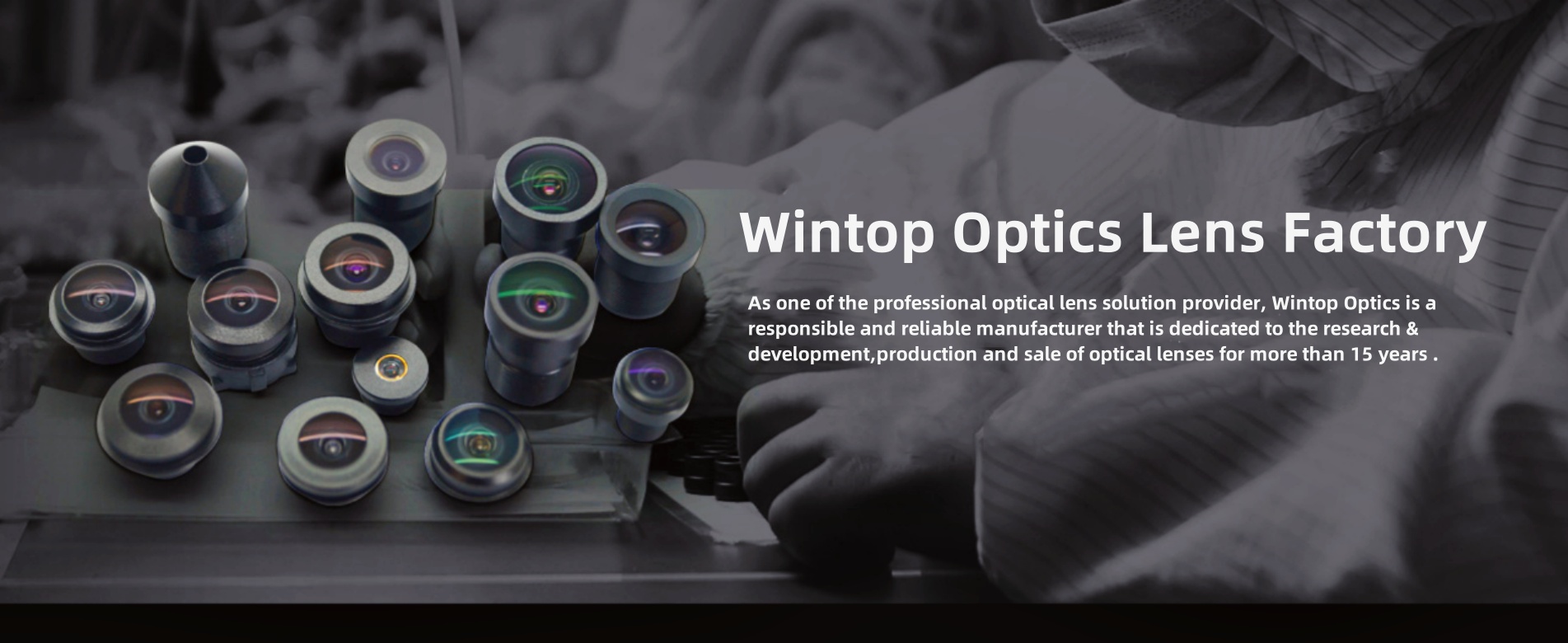
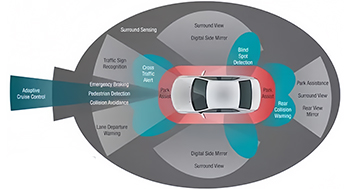
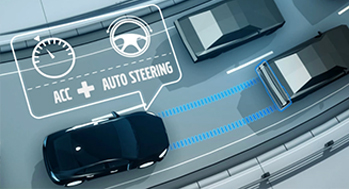
Wintop Optics의 자동차용 카메라 렌즈는 IATF 16949/TS 16949 품질 관리 시스템 표준을 준수하여 설계 및 제조되었으며, 고온, 저온, 진동, 습도 등 극한 조건에서도 안정적이고 신뢰할 수 있는 성능을 보장하기 위해 엄격한 품질 관리 프로세스를 거칩니다. 또한, Wintop Optics의 자동차용 카메라 렌즈는 선도적인 글로벌 자동차 제조업체에서 ADAS, 서라운드 뷰, 지능형 조종석 솔루션에 널리 채택되어 고정밀 시각적 입력과 신뢰할 수 있는 안전 보장을 제공합니다.
더 읽어보기
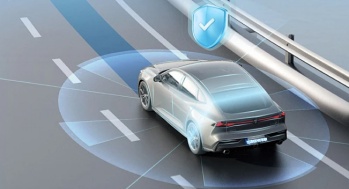
전면 렌즈
윈탑옵틱스의 차량용 전방 카메라 렌즈는 독자적으로 개발한 다층 코팅 렌즈와 최적화된 광학 설계를 채택하여 높은 감도와 낮은 왜곡을 제공합니다. 강한 역광이나 어두운 환경, 야간 환경에서도 선명한 이미지를 포착하여 ADAS 시스템의 엄격한 전방 시야 성능 요구 사항을 충족합니다. 또한, 전방 카메라 렌즈는 CMS/OMS 플랫폼과 긴밀하게 통합되어 사각지대 경고, 장애물 감지, 차선 인식 등의 기능을 구현할 수 있습니다. 이러한 통합은 차량에 안정적인 전방 시야 정보를 제공하여 지능형 주행을 지원하고 안전성을 향상시킵니다.
더 읽어보기
후방 시야 렌즈
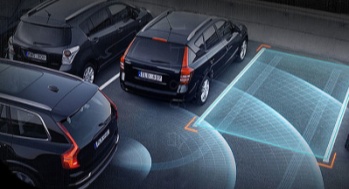
윈탑 옵틱스의 차량용 후방 카메라 렌즈는 독자적인 다층 코팅 기술과 최적화된 광학 구조 기술을 적용하여 이미지 감도를 효과적으로 향상시키고 왜곡, 눈부심, 미광을 억제하여 선명한 후방 시야를 제공합니다. 이 렌즈는 운전자에게 후진 및 주차 시 정확한 시각 지원을 제공합니다. 또한 사각지대 감지, 장애물 감지, 서라운드 뷰 시스템 등 첨단 운전자 보조 시스템(ADAS)과 긴밀하게 통합되어 주행 안전성과 편의성을 향상시킵니다.윈탑 옵틱스는 승용차, 상용차, 특수 차량 등 다양한 분야에 적용되는 세계 유수 OEM에 대량 생산 후방 카메라 솔루션을 공급해 왔습니다. 또한, 다양한 시야각 옵션, 적외선 필터가 장착된 야간 투시경 렌즈, AA(Active Alignment) 접착 조립 공정 등 맞춤형 서비스를 제공하여 다양한 산업 분야의 고객 니즈를 충족합니다.
더 읽어보기
서라운드 뷰 렌즈
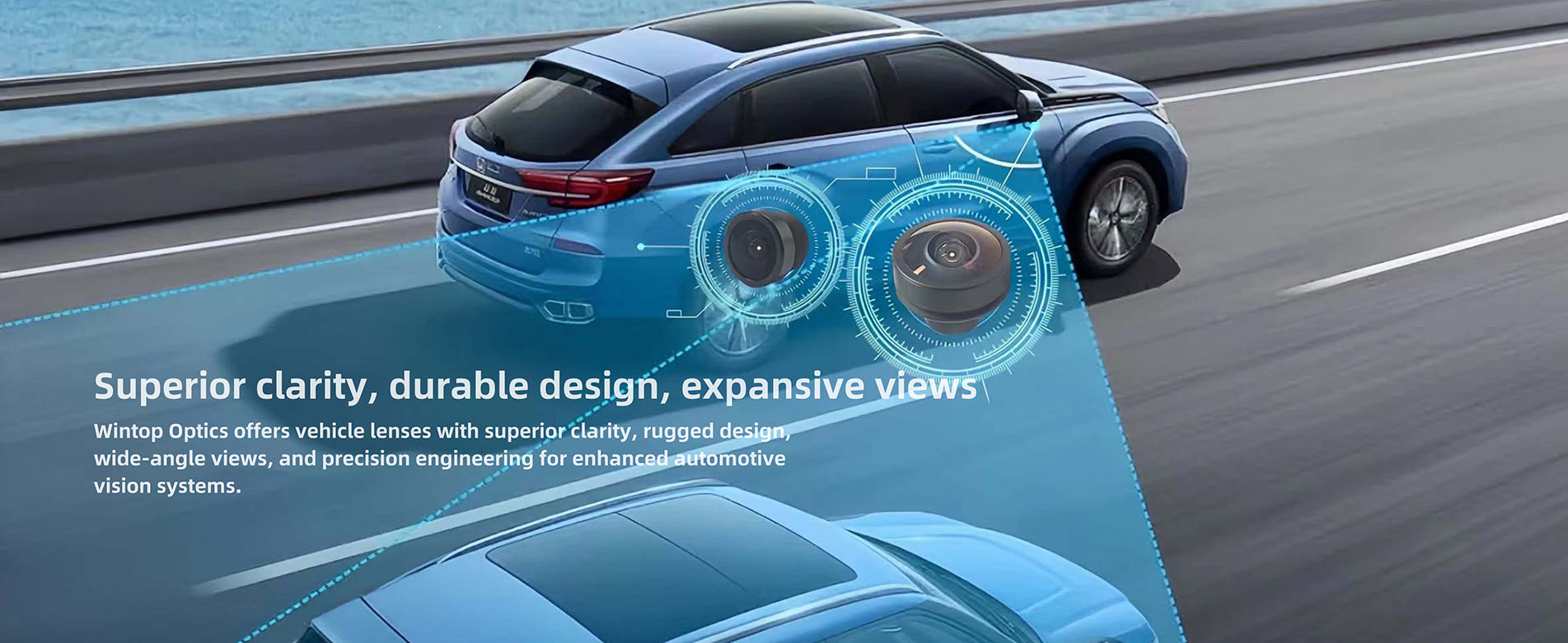
서라운드 뷰 시스템은 여러 개의 초광각 M12 어안 렌즈와 고급 이미지 스티칭 및 퓨전 알고리즘을 결합하여 차량 주변의 360° 조감도를 완벽하게 제공하며, 사각지대 경고 및 장애물 감지와 같은 ADAS 기능이 긴밀하게 통합되어 있습니다. 60개 이상의 실용신안 특허와 200개 이상의 렌즈 모델로 구성된 제품 포트폴리오를 보유한 Wintop Optics는 다양한 차량 유형 및 애플리케이션 요구 사항을 충족하는 고도로 맞춤화된 서라운드 뷰 카메라 렌즈 솔루션을 제공합니다. Wintop Optics 제품은 TS16949, ISO 9001, ISO 14001 국제 품질 경영 시스템 인증을 획득하여 자동차 산업의 엄격한 기준을 준수하는 안정적이고 제어 가능한 품질을 보장합니다.
더 읽어보기
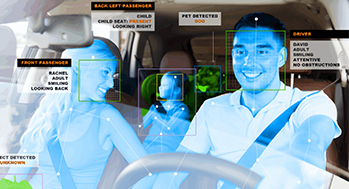
기내 렌즈
Wintop Optics의 차량용 카메라 렌즈는 지능형 조종석을 위한 고정밀 멀티모달 인식 기능을 제공하며, 첨단 이미징 기술과 지능형 알고리즘을 통합하여 운전자 모니터링 시스템(DMS) 및 탑승자 모니터링 시스템(OMS)의 복잡한 요구 사항을 충족합니다. RGB-IR 및 단파장 적외선을 포함한 다중 스펙트럼 이미징 기술을 활용하는 이 카메라는 모든 조명 조건에서 안정적인 작동을 보장하며, 저조도, 역광 또는 악천후 상황에서도 피로 인식, 시선 추적, 탑승자 안전 모니터링 등 탑승자 행동을 명확하게 감지합니다.
더 읽어보기
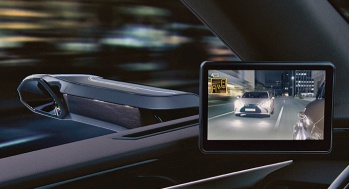
CMS 렌즈
윈탑(Wintop)의 차량용 카메라 렌즈는 코팅 기술과 설계 최적화를 통해 이미지 감도를 향상시키고, 이미지 왜곡을 효과적으로 줄이며, 눈부심과 미광이 이미지에 미치는 영향을 줄여줍니다. 기존의 금속 백미러를 카메라와 스크린으로 대체합니다. 원리는 매우 간단합니다. 카메라가 차량 후방 이미지를 촬영하고, 하드웨어 및 소프트웨어 시스템을 통해 처리하여 화면에 표시함으로써 운전자가 차량 후방의 실시간 이미지를 볼 수 있도록 합니다. 동시에 CMS는 사각지대 경고 및 장애물 경고와 같은 기능을 통합하여 첨단 운전자 보조 시스템(ADAS) 개발을 촉진합니다.
더 읽어보기
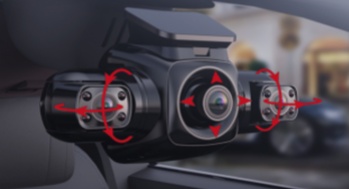
자동차 DVR 렌즈
운전 기록 렌즈(DVR/대시캠 렌즈라고도 함)는 차량 주행 중 영상, 음향 및 기타 정보를 기록하는 카메라 렌즈입니다. 운전 기록 렌즈를 설치하면 차량 주행 과정의 전 과정을 영상과 음향으로 녹화하여 교통사고 증거로 활용할 수 있습니다. 운전 기록 렌즈는 사고 전 운전자의 운전 과정을 객관적으로 기록하여 사고 전, 사고 중, 사고 후 운전자의 다양한 반응과 외부 환경의 변화까지 효과적으로 제공합니다.
더 읽어보기
  • 19
    0+ Years

    연구개발 및 생산 경험

  • 200
    0+ Items

    렌즈 모델

  • 1000
    0+

    협력 파트너

  • 15000
    0+

    공장면적(㎡)

회사 소개

전문 광학 렌즈 솔루션 제공업체 중 하나인 "윈탑 옵틱스"는 19년 이상의 경험을 바탕으로 렌즈 연구 개발, 생산 및 판매에 전념하는 책임감 있고 신뢰할 수 있는 제조업체입니다. 윈탑의 R&D 센터는 2006년 8월 선전에 설립되었으며, 제조 센터는 후베이성 황메이에 위치하고 있으며, 면적은 15,000m²입니다. 윈탑 옵틱스는 후베이 운태시보광학(주)의 자회사입니다.

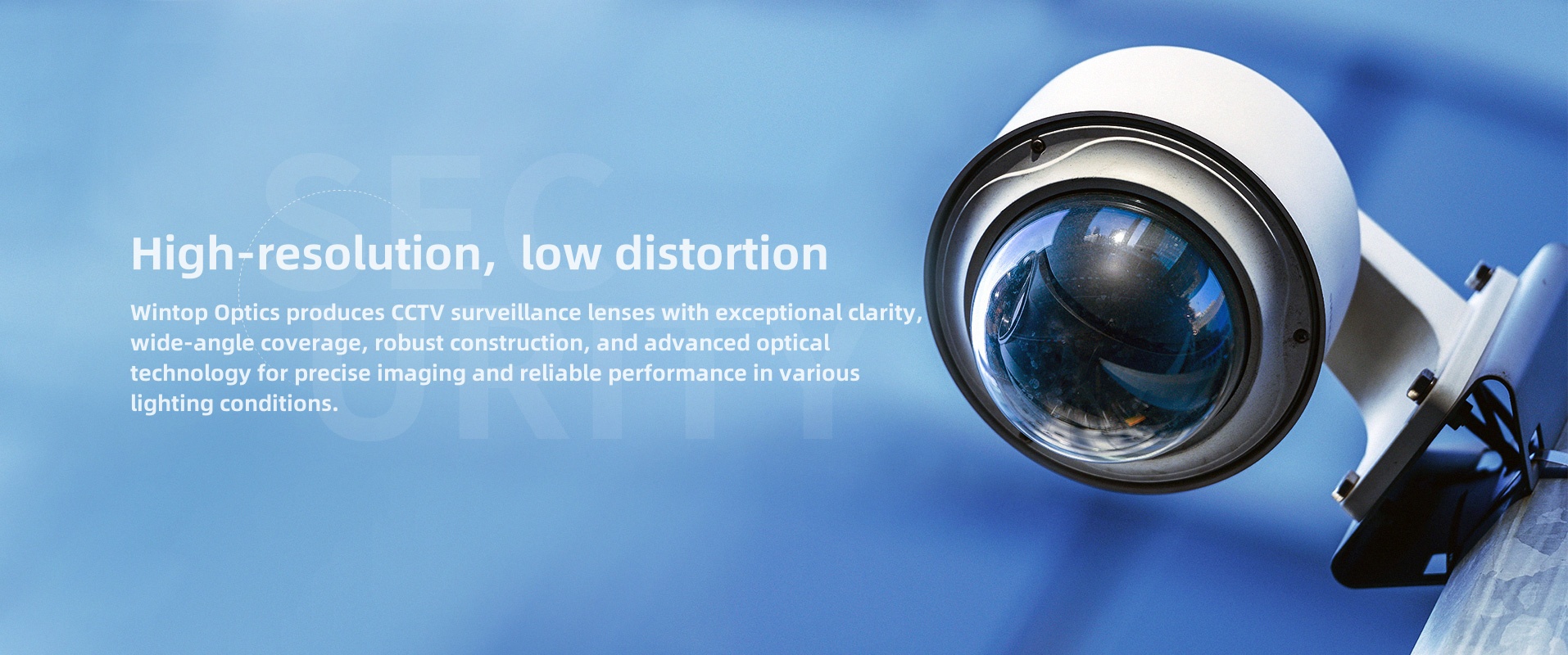
윈탑 옵틱스는 자체 광학 시스템 개발 및 설계팀을 보유하고 있으며, 중국 유명 대학의 선임 광학 컨설턴트들과 장기적인 협력 관계를 유지하고 있습니다. 윈탑 옵틱스의 제품은 주로 자동차 모니터링 카메라 렌즈, 차량용 DVR 렌즈, 차량용 ADAS/CMS/OMS 렌즈, 보안 감시 CCTV 렌즈, 스마트 홈 기기 렌즈, 저왜곡 스포츠 카메라 렌즈, 얼굴 인식 렌즈, 광각 어안 렌즈 등 고급 이미징 분야에 사용됩니다.

더 읽어보기
온라인 24시간 서비스 86 153-0268-9906

공장

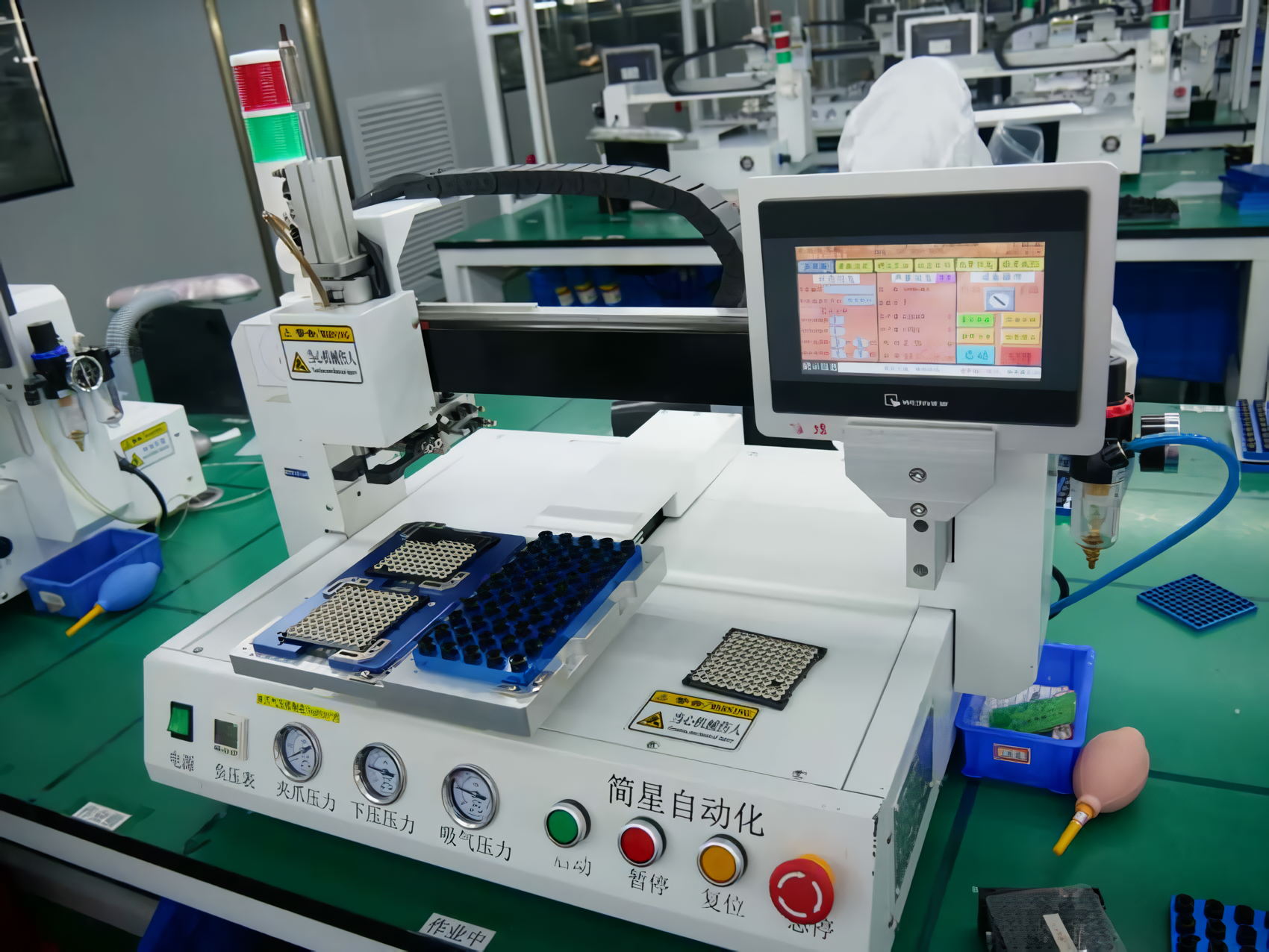
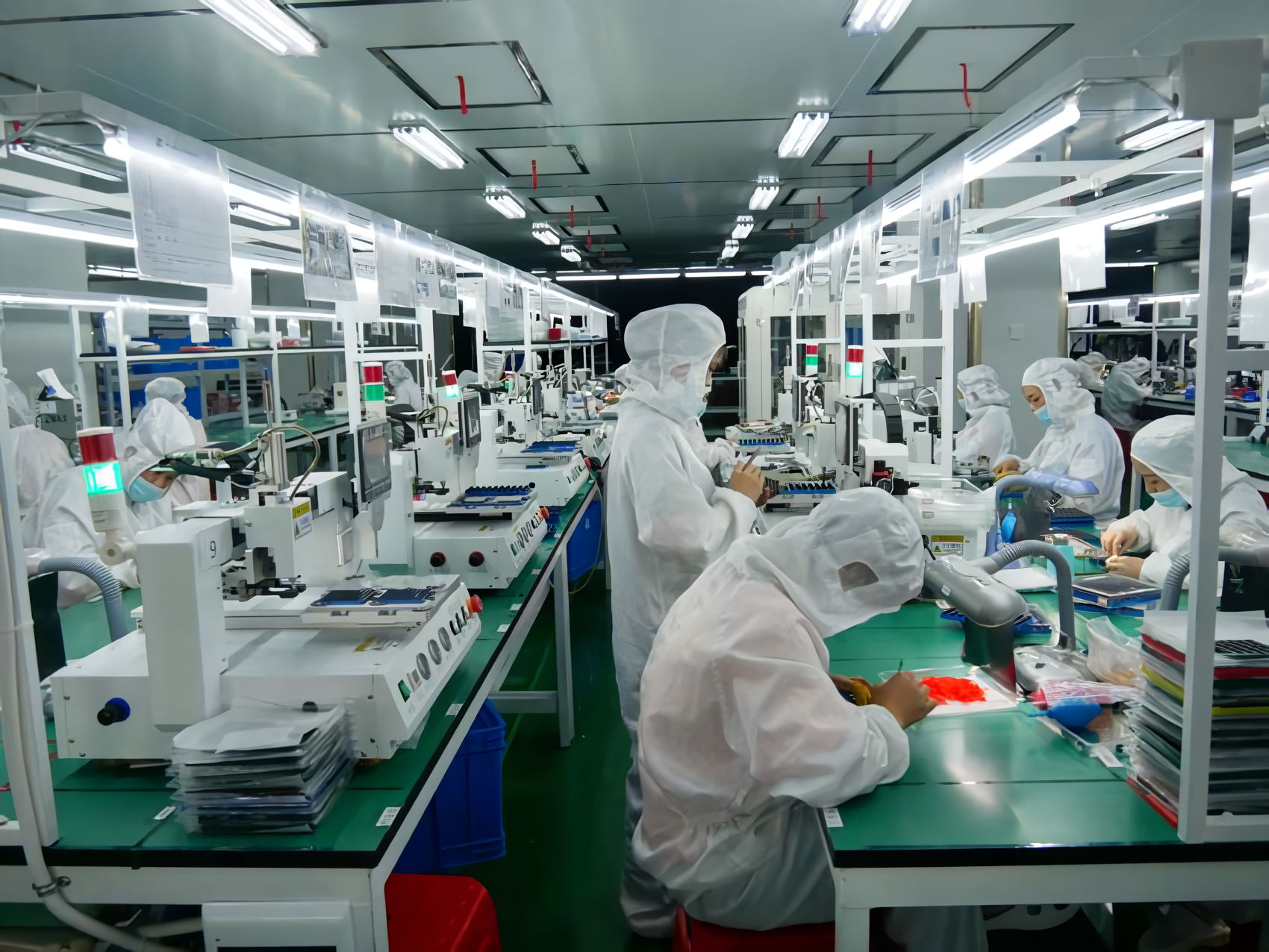
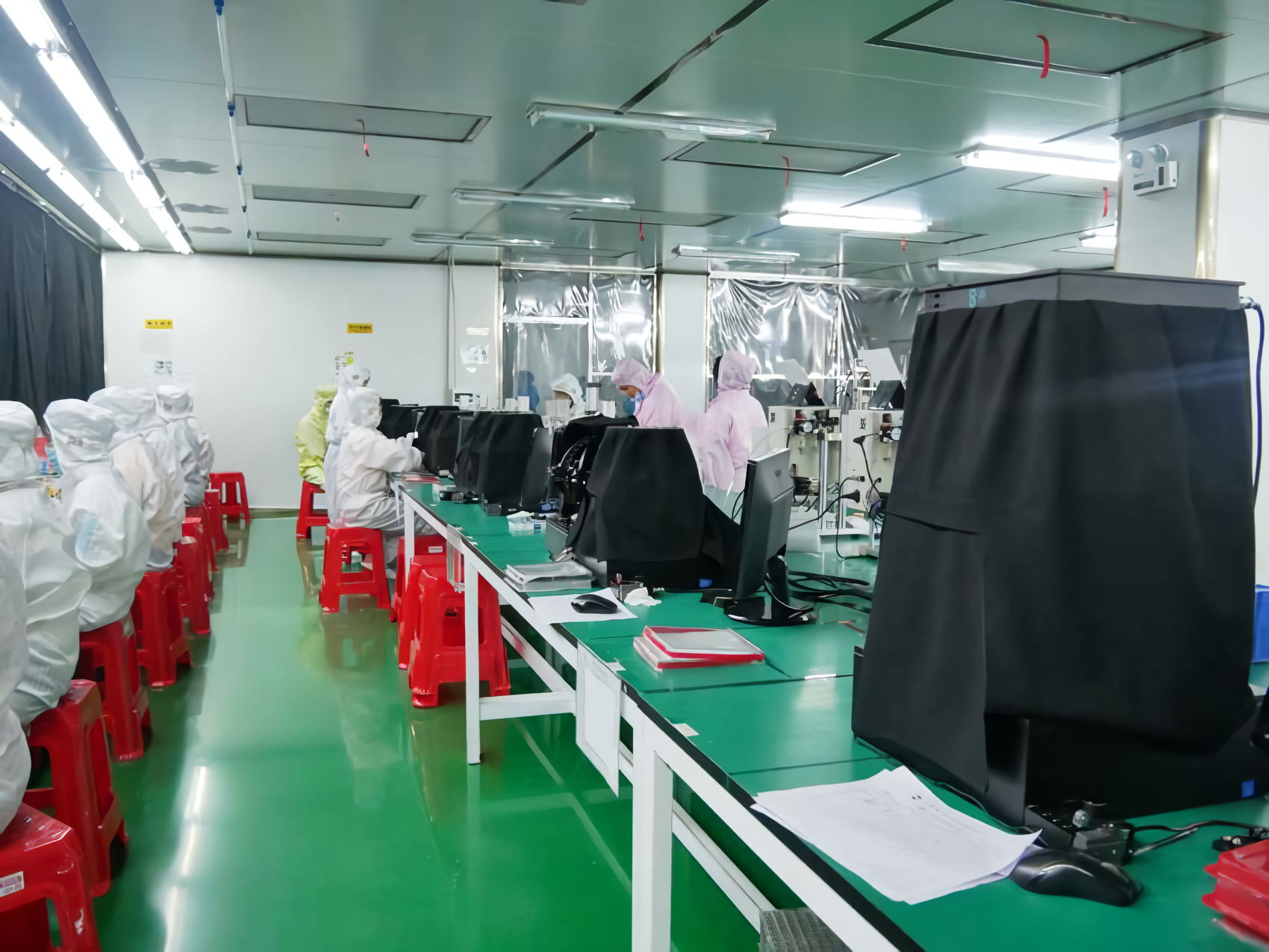
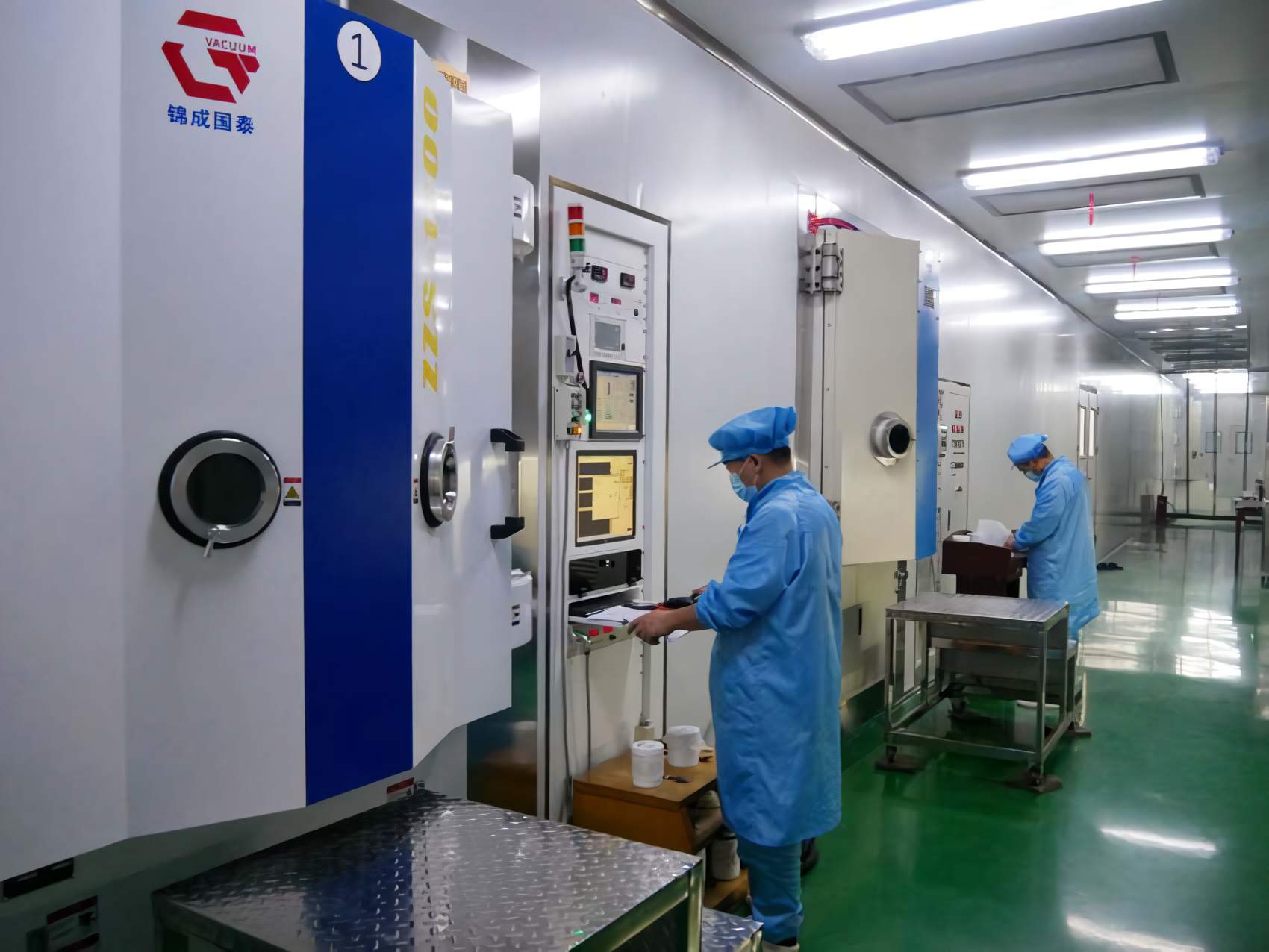
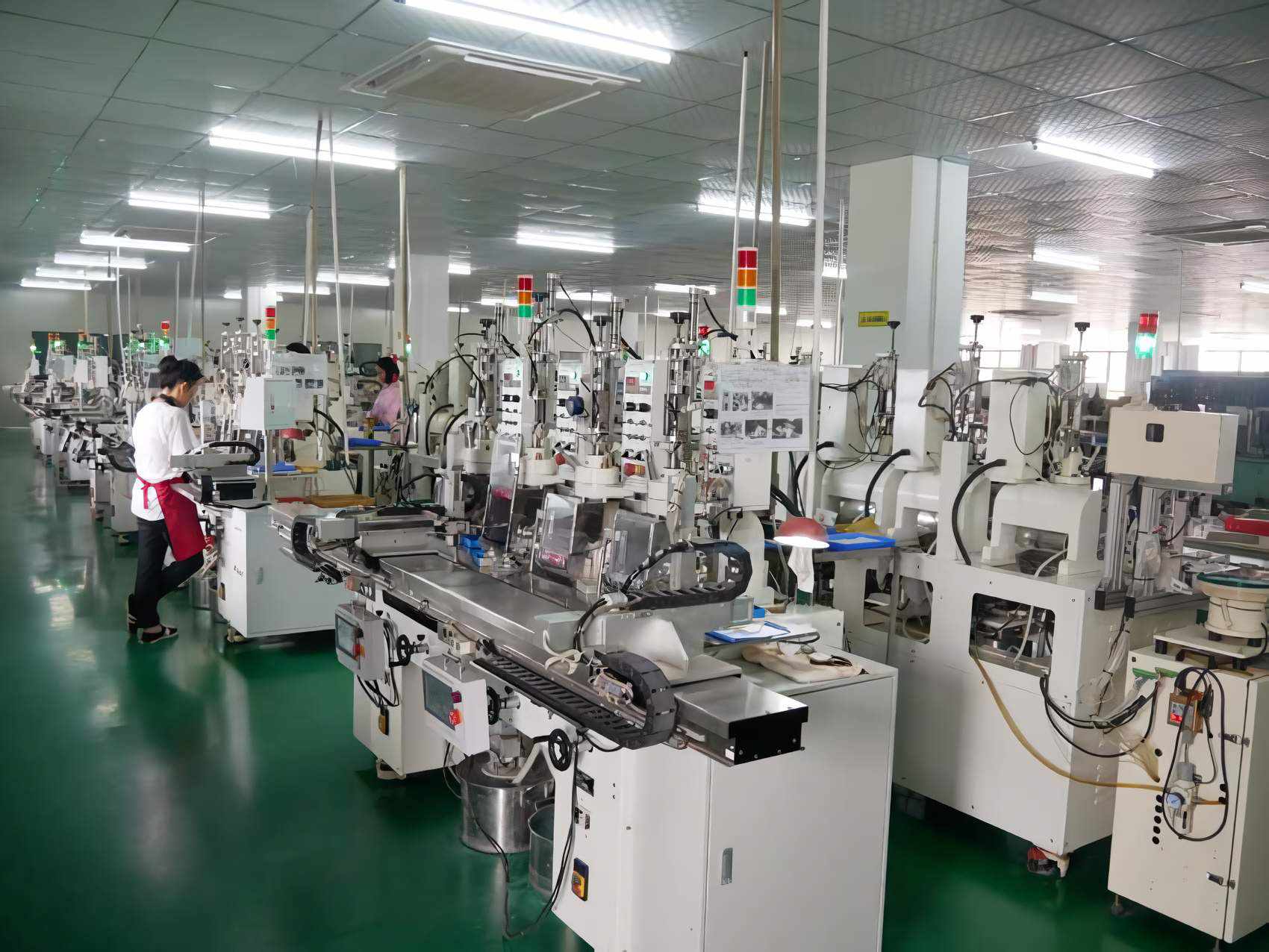
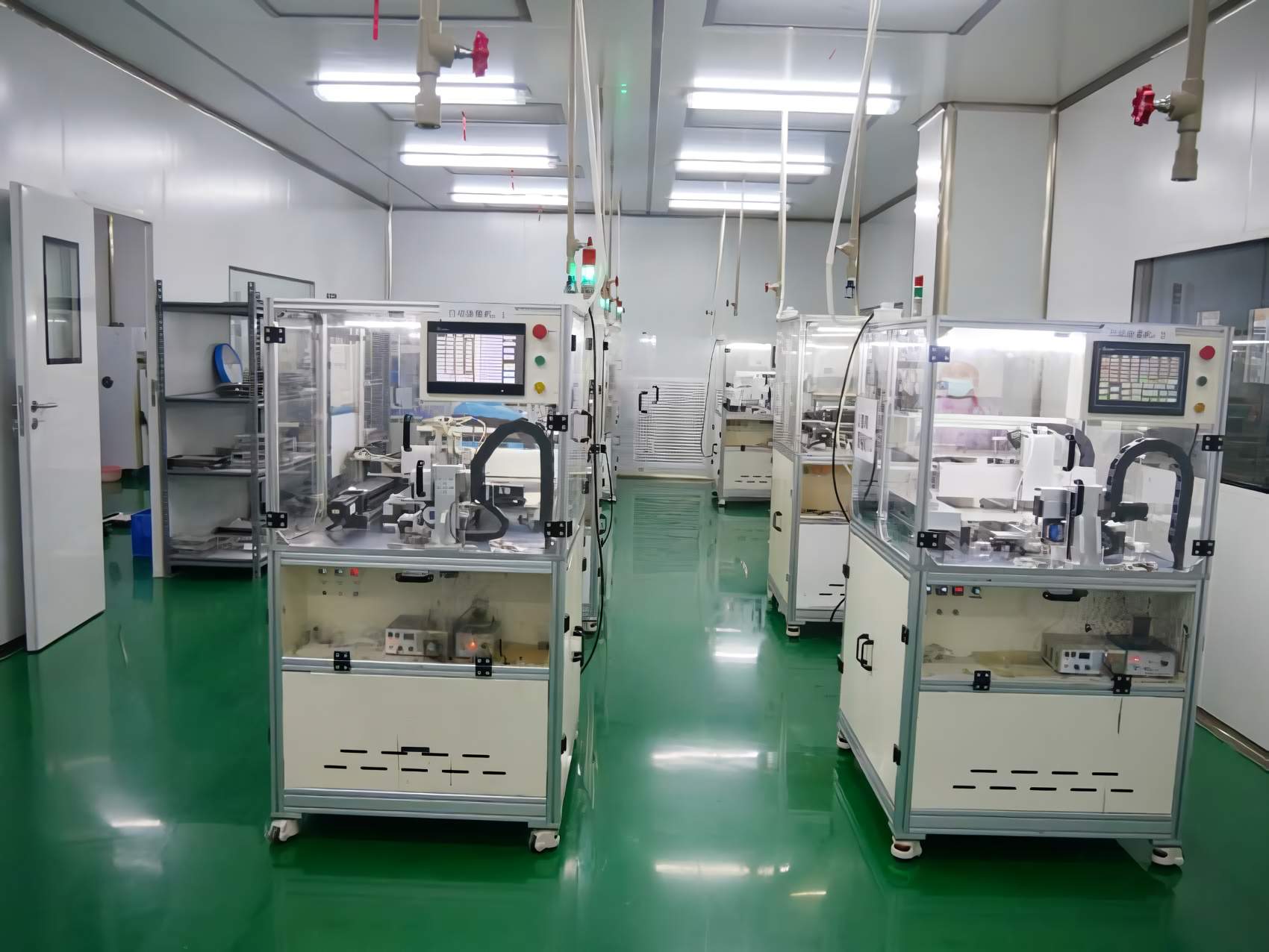
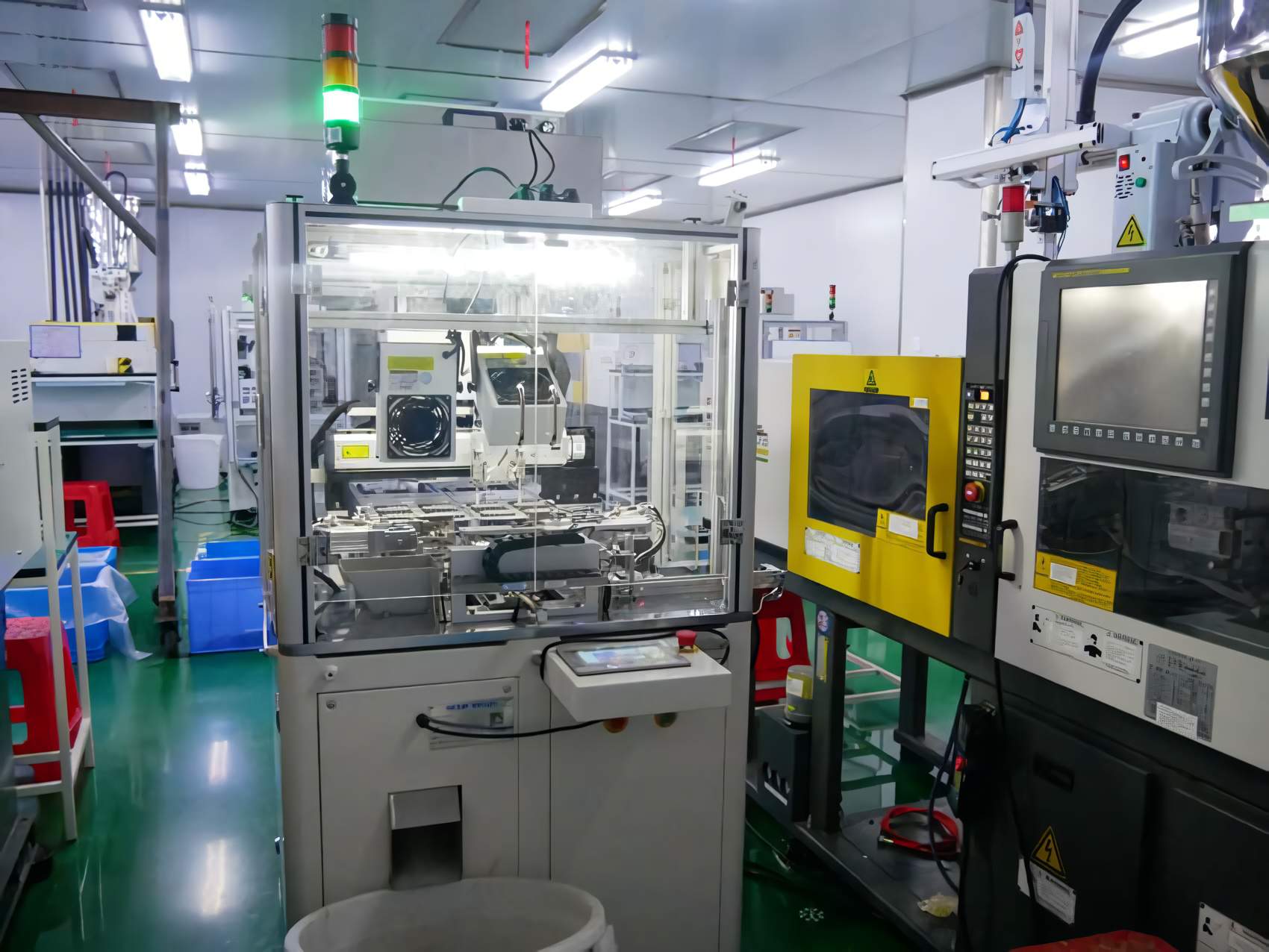
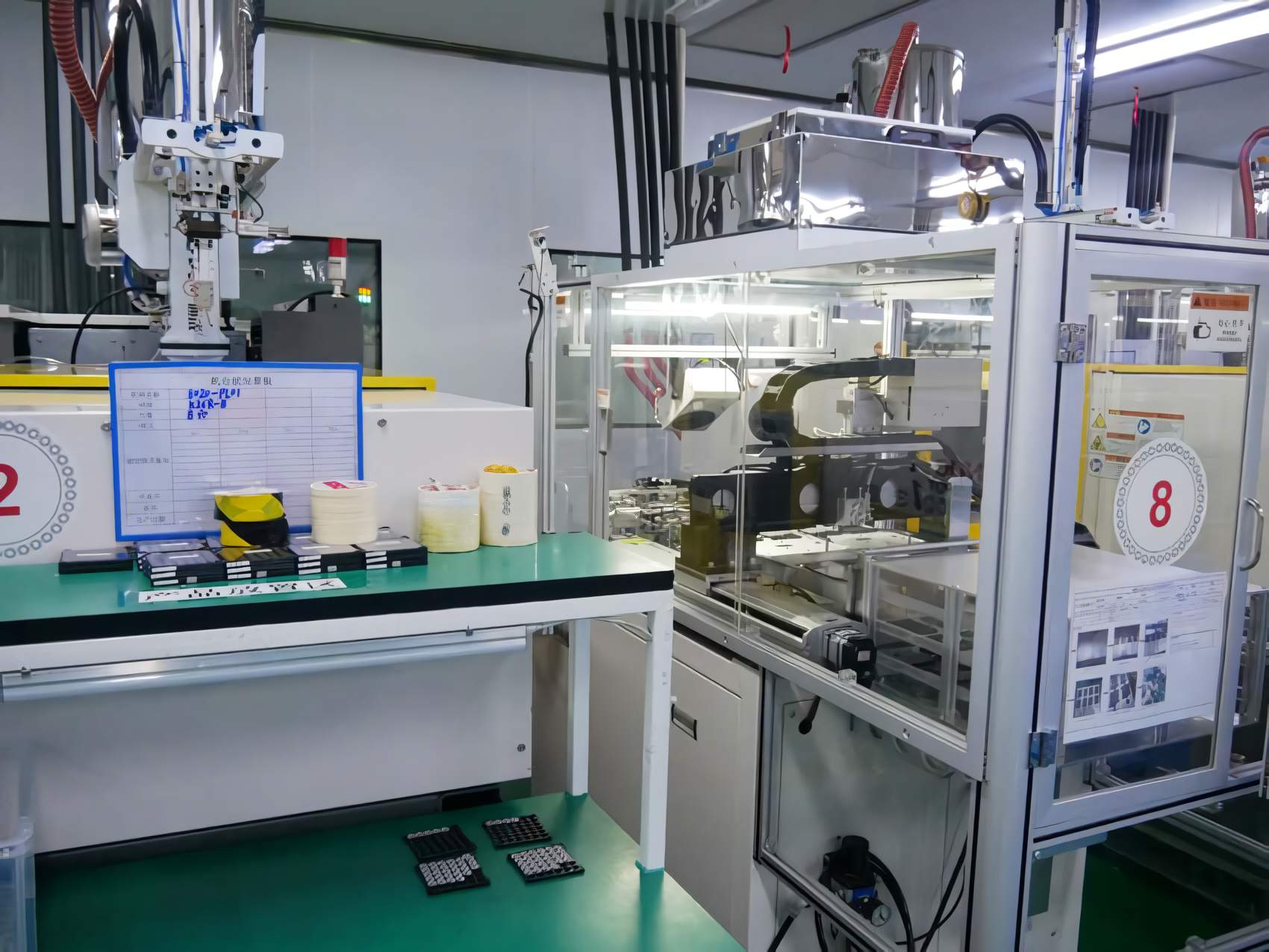
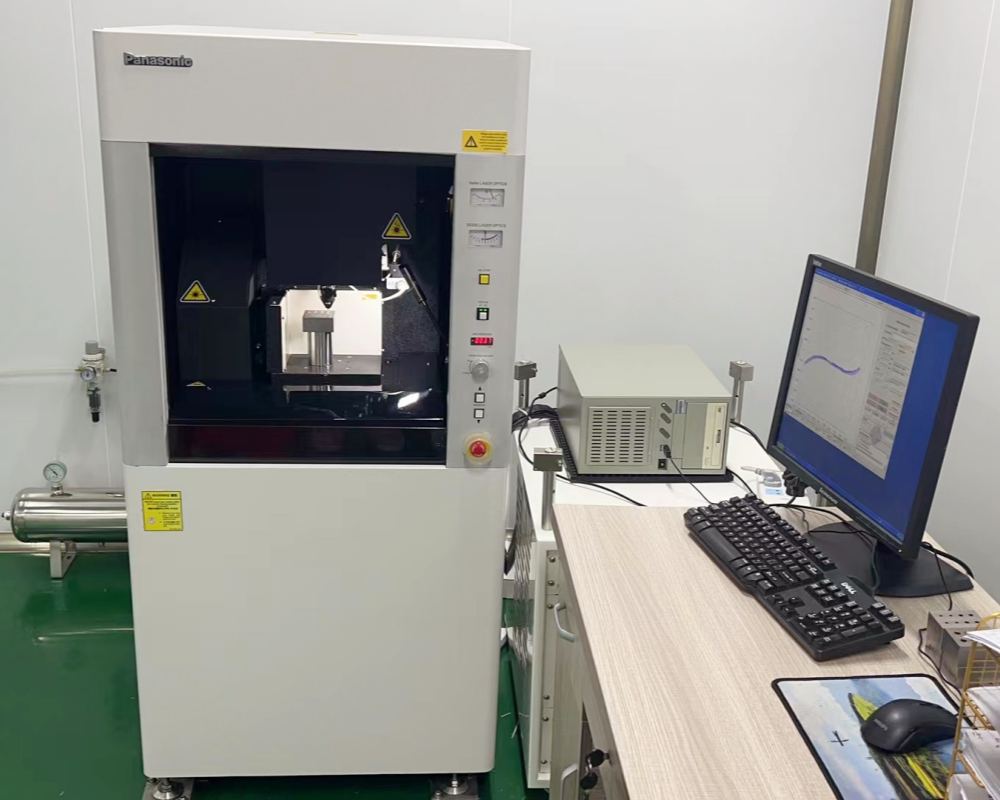
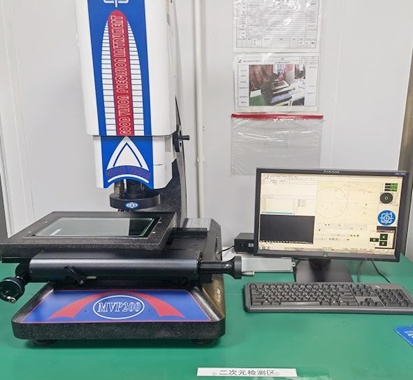
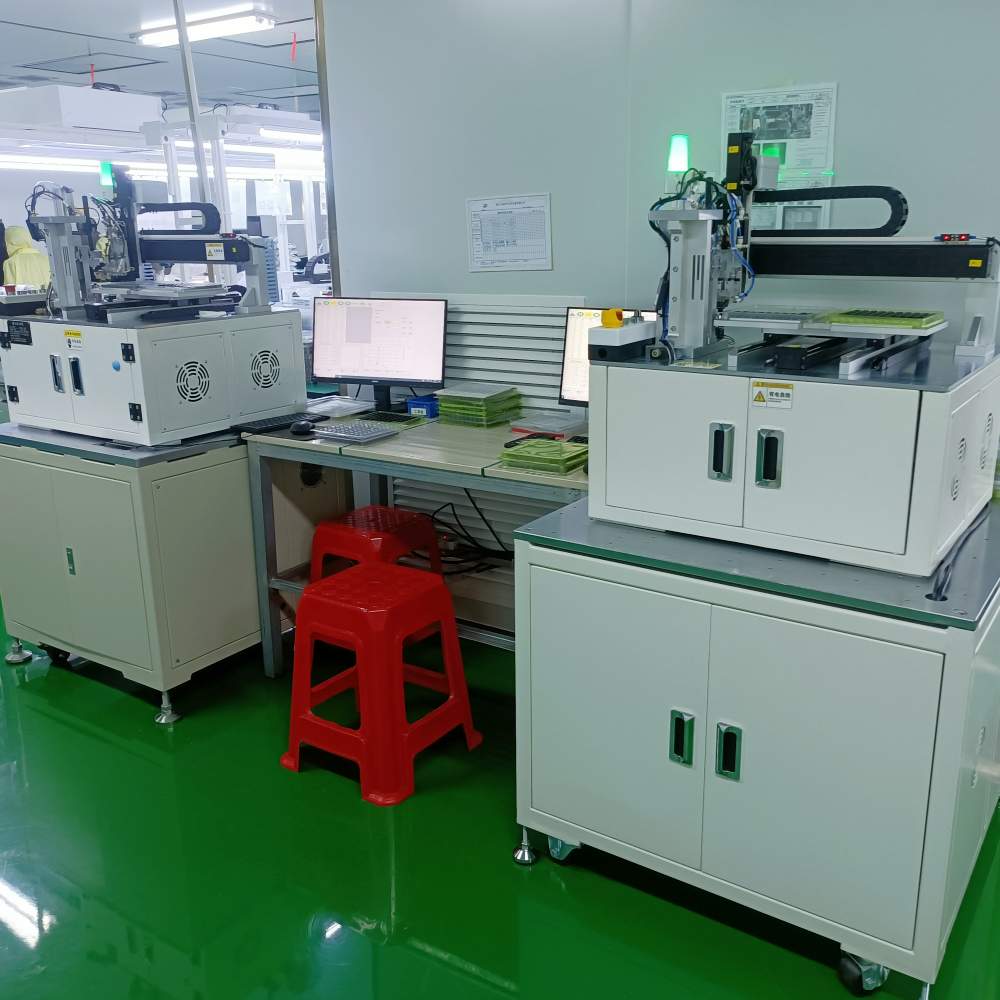
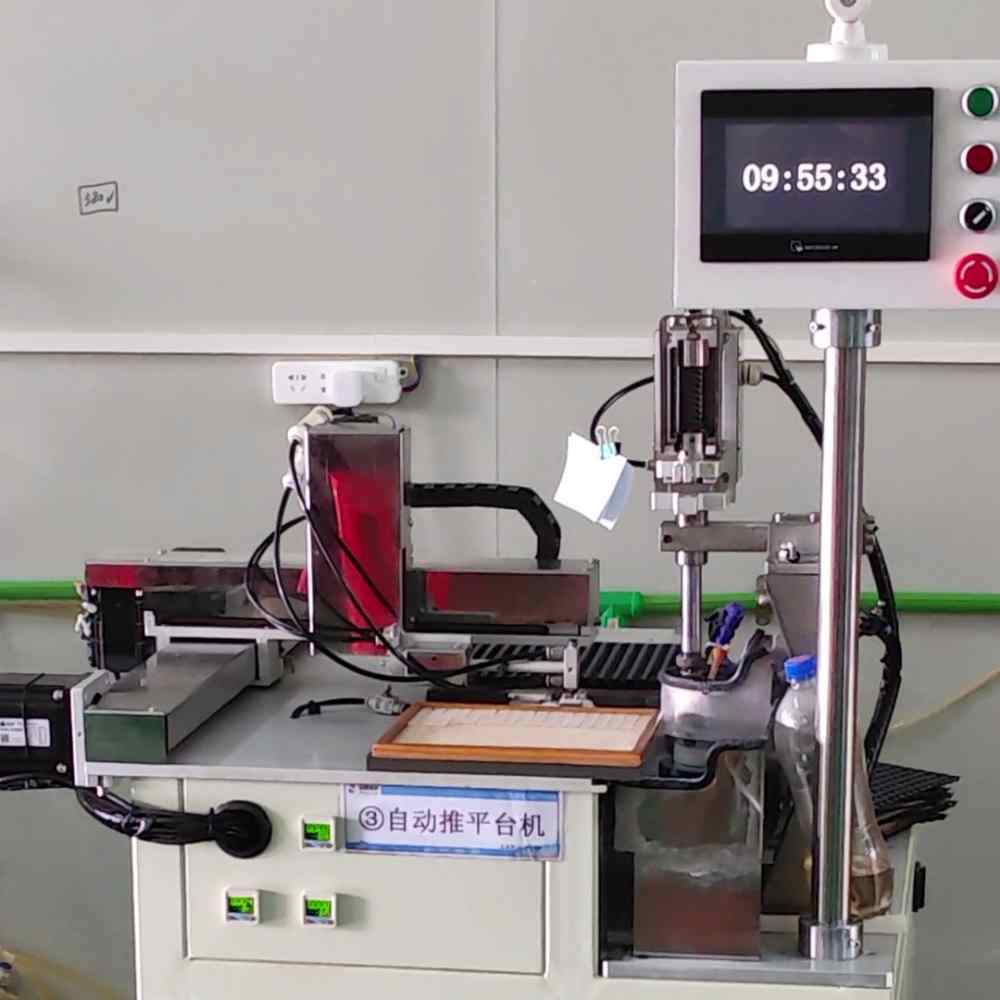
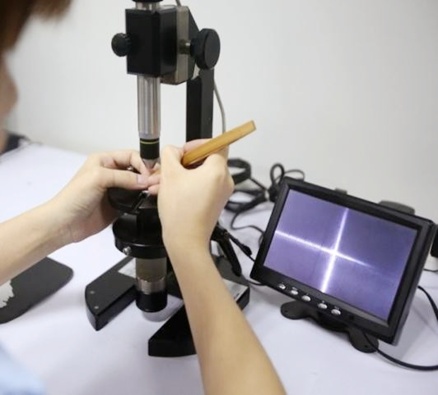
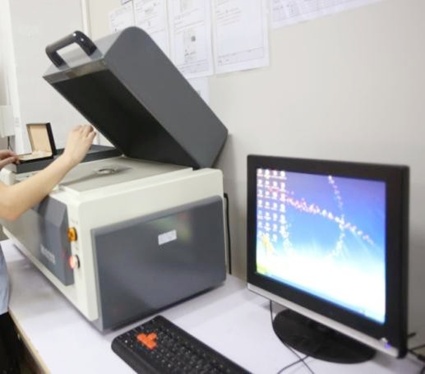
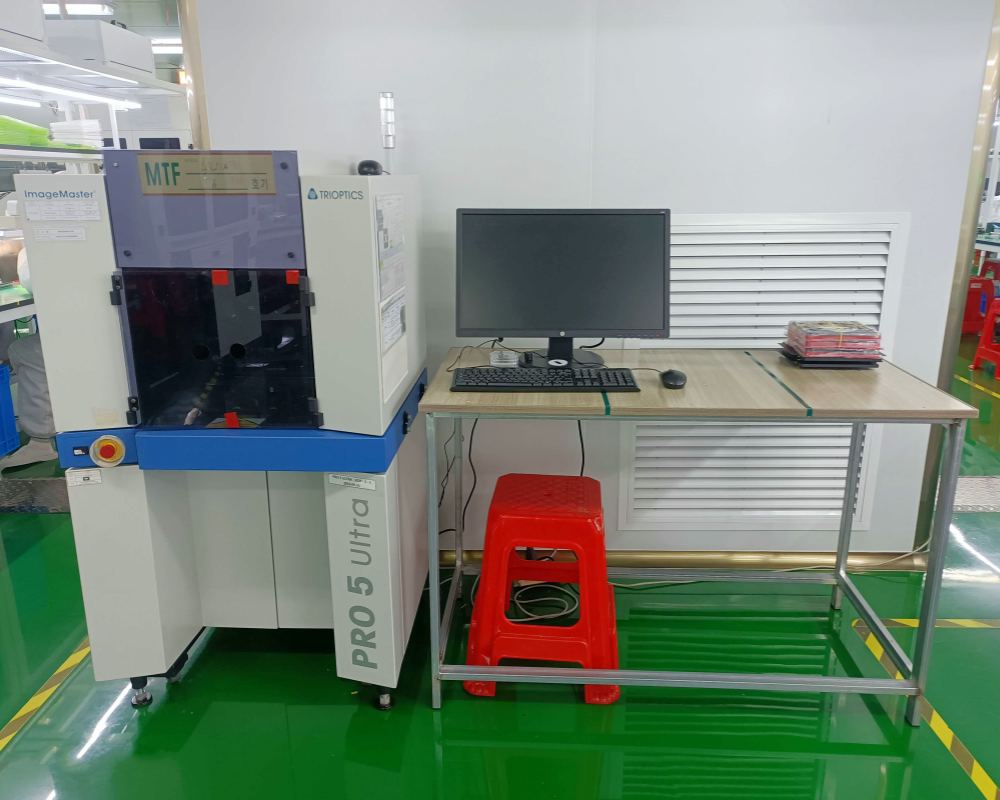
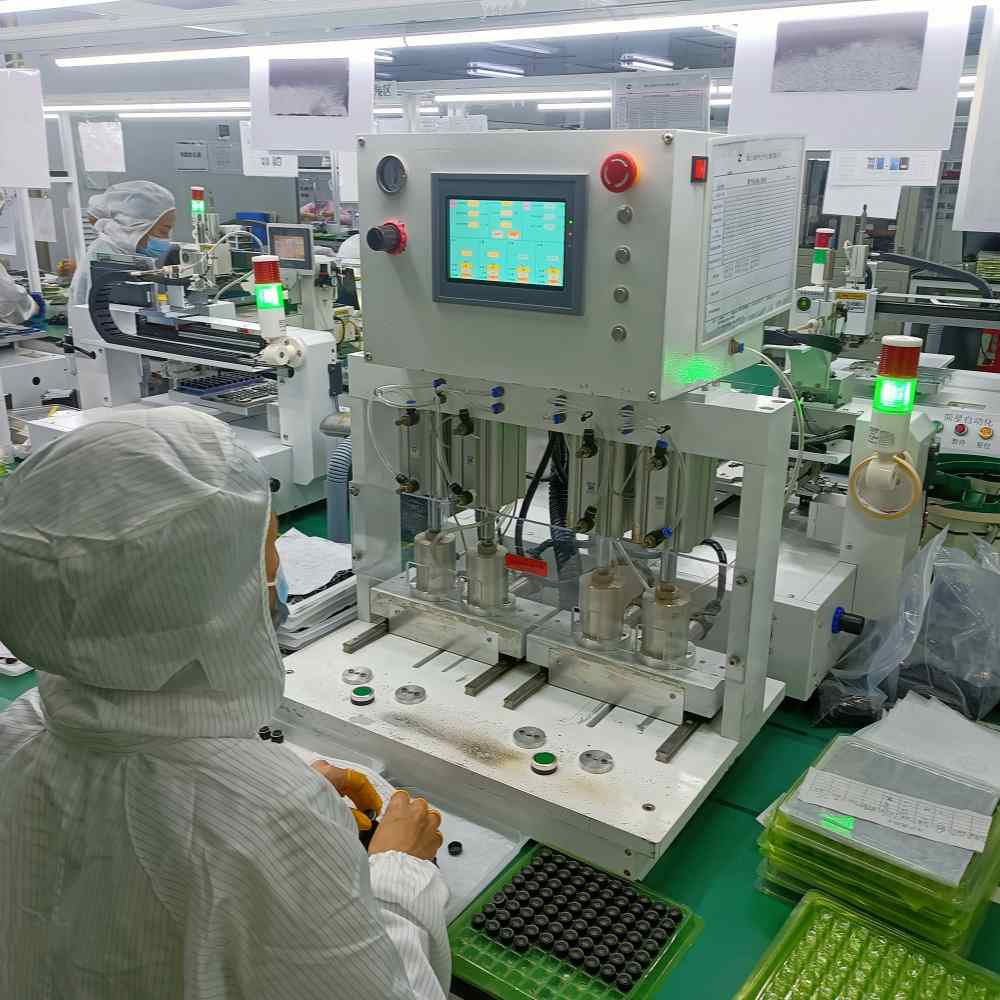
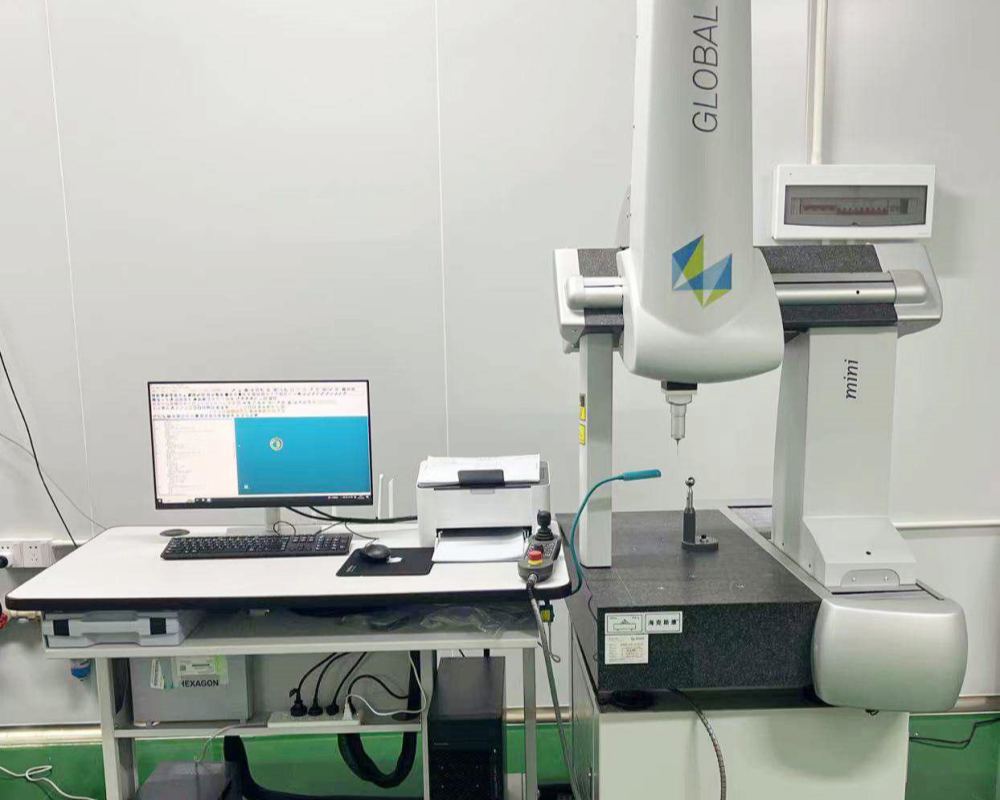
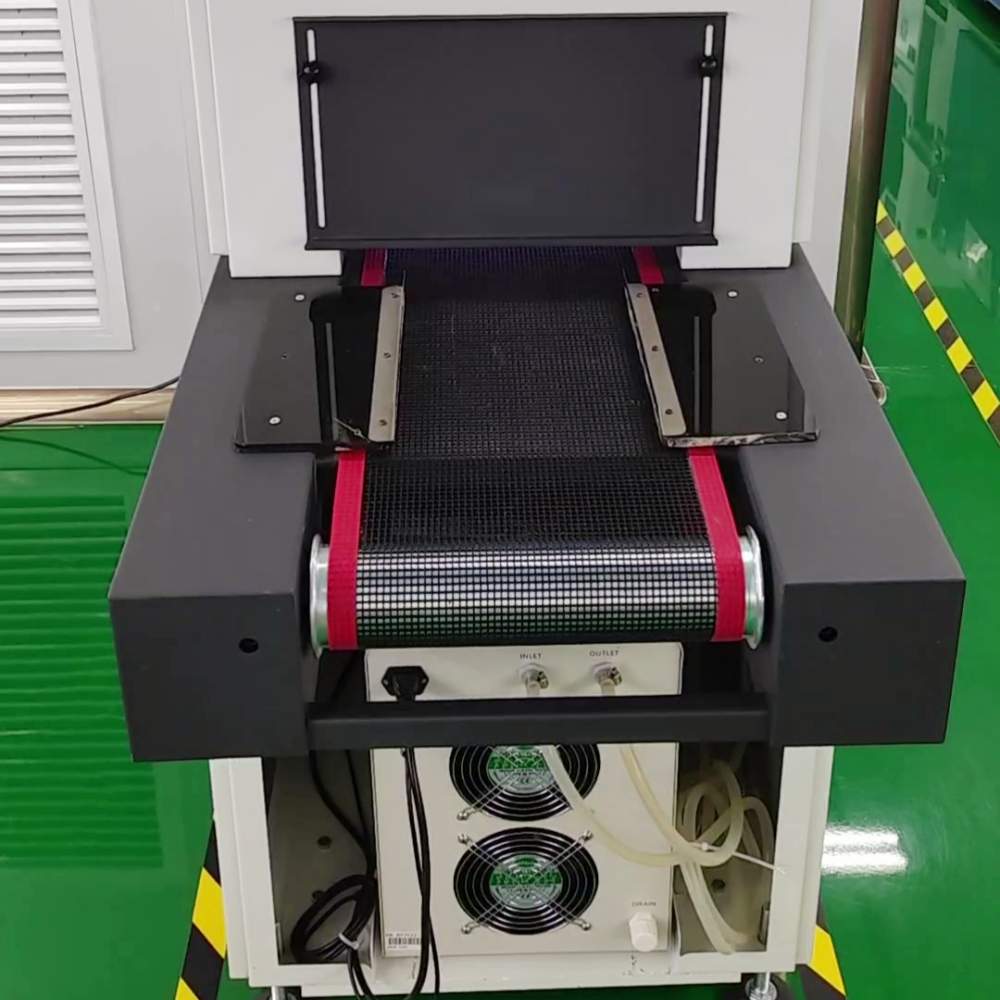
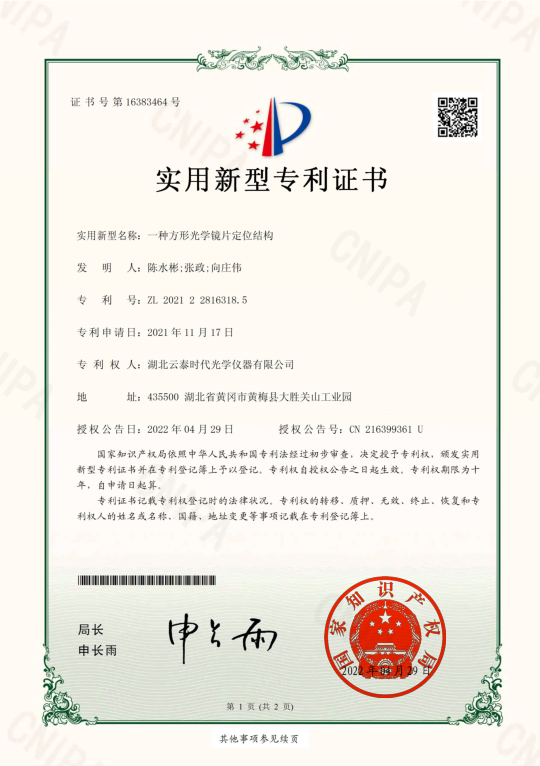
Hubei Factory는 15,000 평방 미터의 면적을 덮고, 유리 연삭 월간 출력 값은 2 백만 조각에 도달하고, 1000 레벨의 먼지가없는 워크샵이 장착 된 렌즈 어셈블리는 8 개의 수동 어셈블리 라인과 10 개의 자동 생산 라인이 있으며 월간 출력은 2 백만 세트의 광학 렌즈를 갖습니다. Wintop Optics는 60 개 이상의 유틸리티 모델 디자인 특허와 200 개 이상의 모델을 보유하고 있으며, 매 분기마다 시장 방향을 이끌 기 위해 새로운 제품을 지속적으로 출시했습니다.

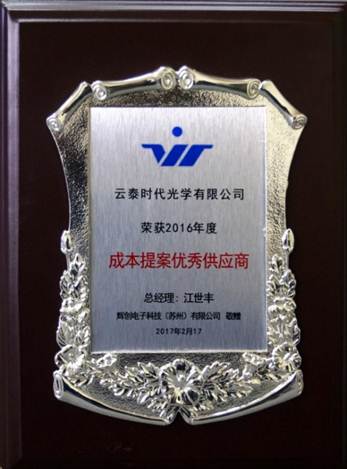
명예

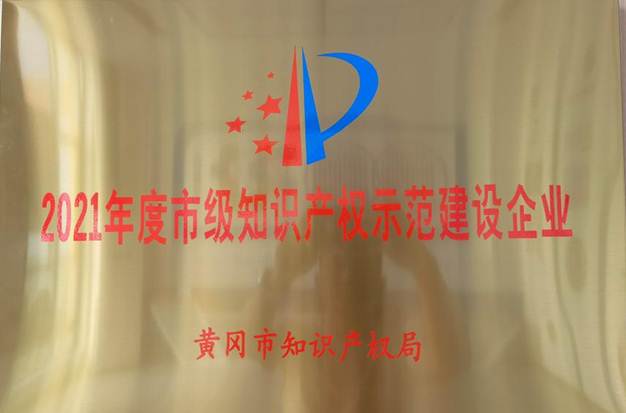
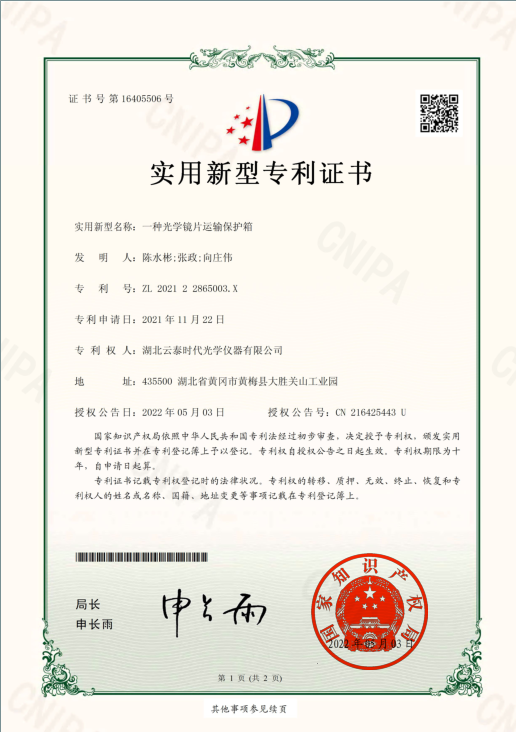
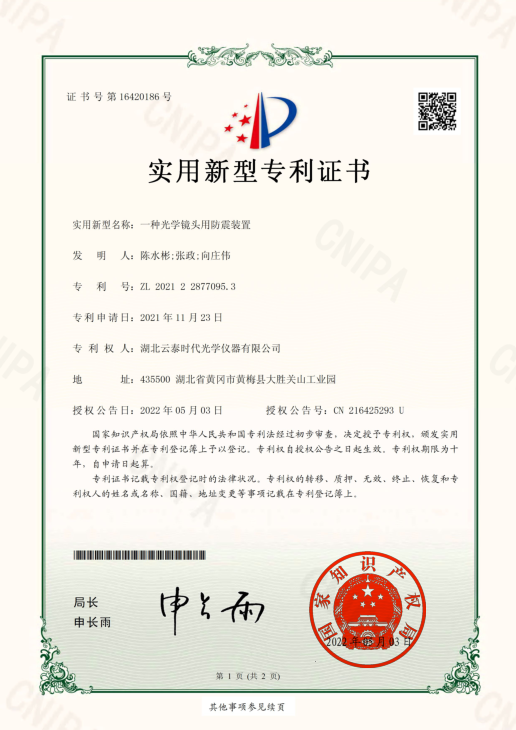
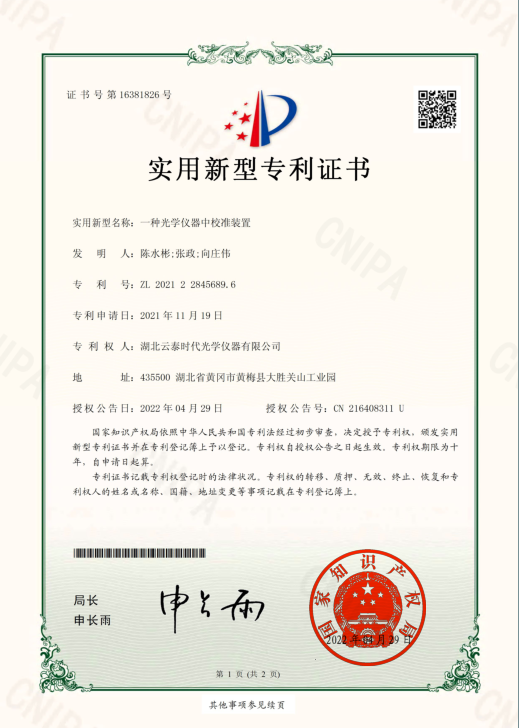
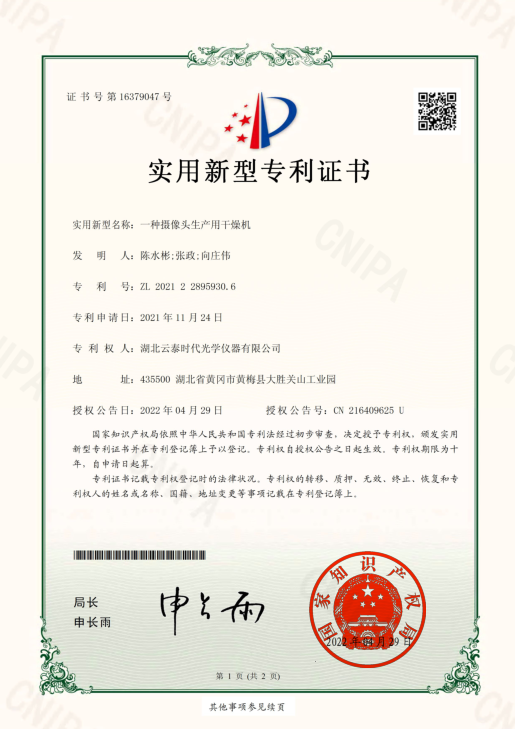
Wintop Optics는 TS16949 인증(국제 자동차 산업 품질 관리 시스템), ISO9001, ISO14001...을 통과했습니다.  

우리의 파트너

후베이 공장 면적은 15,000평방미터이고 유리 분쇄 월간 생산량은 200만 개에 달하며 렌즈 조립에는 1000단계 먼지 없는 작업장이 갖춰져 있으며 수동 조립 라인 8개와 자동 생산 라인 10개를 갖추고 월 생산량이 200만 개에 달합니다. 광학 렌즈를 설정합니다. Wintop Optics는 60개 이상의 실용신안 디자인 특허와 200개 이상의 모델을 보유하고 있으며, 분기마다 지속적으로 신제품을 출시하여 시장 방향을 선도하고 있습니다.

왜 우리를 선택해야 하나요?

윈탑 옵틱스는 광학 렌즈 분야에서 19년 이상 헌신적인 서비스를 제공해 온 풍부한 지식과 전문성을 축적해 왔습니다. 고품질 렌즈를 꾸준히 공급하고 탁월한 서비스를 제공함으로써 윈탑 옵틱스는 선호되는 렌즈 공급업체로 자리매김했습니다.  

케이스 센터

Wintop의 R&D 기술 팀은 맞춤형 고객 요구 사항을 기반으로 전문적인 솔루션을 제공합니다. 2012년부터 우리는 Vtech, iRobot, Jabil, BYD, Holitech 등 국내외 유명 기업을 위한 여러 가지 성공적인 솔루션을 구현했습니다. 
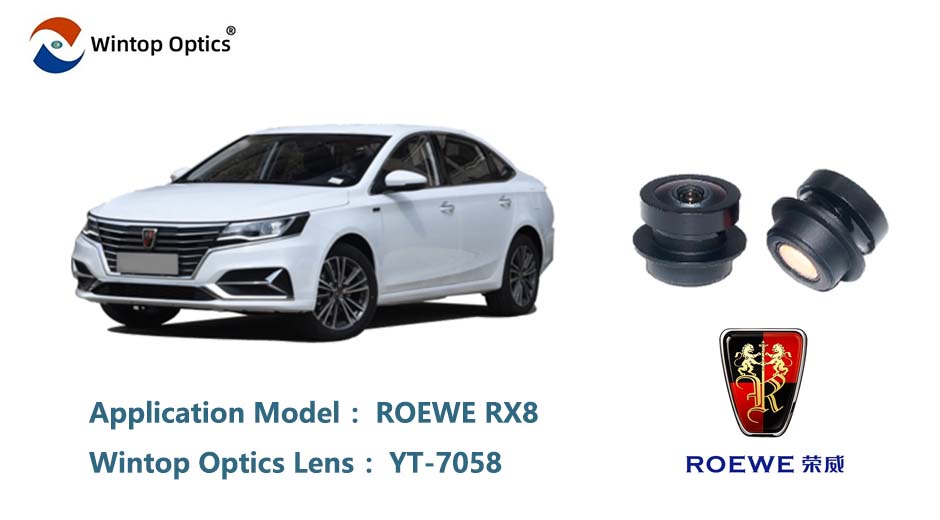
렌즈 적용 사례 12--ROEWE RX8
프로젝트 개요: SAIC Motor의 플래그십 SUV인 ROEWE RX8은 고성능 360° 서라운드 뷰 시스템. ROEWE는 왜곡이 제어된 선명한 파노라마 이미징을 보장하기 위해 WINTOP OPTICS를 선택했습니다. YT-7058 파노라마 렌즈를 핵심 광학 구성요소로 사용합니다.왜 YT-7058인가요?초광각 시야: 최대 200°의 수평 FOV를 제공하여 차량 주변 모니터링에 이상적입니다. 낮은 왜곡 디자인: 매끄러운 파노라마 디스플레이를 위해 정확한 이미지 스티칭을 보장합니다. 자동차 등급 신뢰성: 고온, 진동 및 방수 테스트를 통과했으며 IATF 16949 표준을 충족합니다. 소형 크기: 외부 디자인에 영향을 주지 않고 여러 카메라 차량 시스템에 쉽게 통합할 수 있습니다. 신청 결과: 그만큼 YT-7058 파노라마 렌즈 ROEWE RX8의 서라운드 뷰 시스템은 운전자에게 향상된 안전 가시성을 제공하고 주차, 차선 변경 및 저속 주행 시 사각지대를 줄이는 데 도움이 됩니다.
더 읽어보기
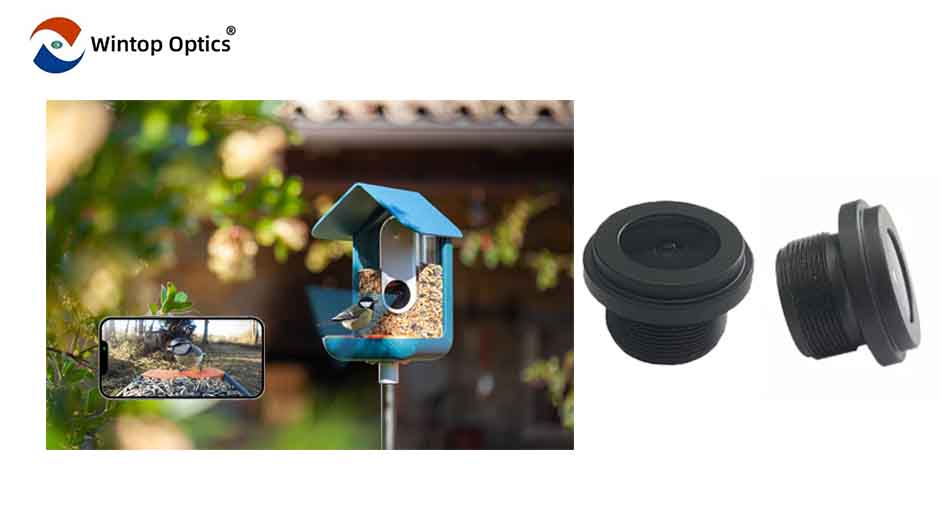
렌즈 적용 사례 11--스마트 새 모이통
배경 자연과 야생 동물 관찰에 대한 관심이 커짐에 따라, 스마트 새 모이통이 정원, 발코니, 야외 공간에서 점점 더 인기를 얻고 있습니다. 이 지능형 장치는 새 모이를 자동으로 공급할 뿐만 아니라 내장 카메라를 통해 사용자가 새의 활동을 실시간으로 관찰하고 기록할 수 있도록 합니다.고객 요구 사항 및 과제고객은 컴팩트하고 고품질의 제품을 요구했습니다. 야외용 카메라 렌즈 전달할 수 있는 것:  낮과 밤 모두 선명하고 고해상도의 영상  넓은 시야로 넓은 지역을 모니터링할 수 있습니다.  비, 먼지, 습기에 대한 저항성  새 모이통의 컴팩트한 하우징에 쉽게 통합 가능WINTOP의 맞춤형 렌즈 솔루션윈톱 맞춤형 제공 광각 IR 렌즈 1/2.7" 센서용으로 설계되었으며 다음과 같은 주요 특징이 있습니다.새의 세부 사항을 선명하게 표현하기 위한 2MP HD 해상도안정적인 야간 시야를 위한 적외선 강화 구조120° 광각 시야로 전체 장면을 포착장기간 실외 사용을 위한 IP66 등급 방수 설계플라스틱 케이스와 쉽게 통합할 수 있는 컴팩트한 렌즈 배럴결과 및 성과대량 생산 후 고객은 다음과 같이 보고했습니다.뛰어난 주간 선명도 및 세부 사항 인식움직임 흐림 없이 밤에도 안정적인 IR 이미징장시간 야외 테스트 중 안개나 누출이 발생하지 않습니다.모바일 앱의 이미지 품질 향상으로 사용자 만족도 향상 스마트 조류 모이통 카메라 시스템에 WINTOP 렌즈를 적용함으로써 AIoT 및 스마트 홈 기기용 광학 솔루션 분야에서 WINTOP의 전문성을 입증합니다. WINTOP은 앞으로도 전 세계 혁신 기업들을 지속적으로 지원할 것입니다. 맞춤형 렌즈 솔루션 스마트하고 연결된 기술을 위해.스마트 기기용 고성능 렌즈에 관심이 있으신가요? 지금 바로 문의하세요!
더 읽어보기
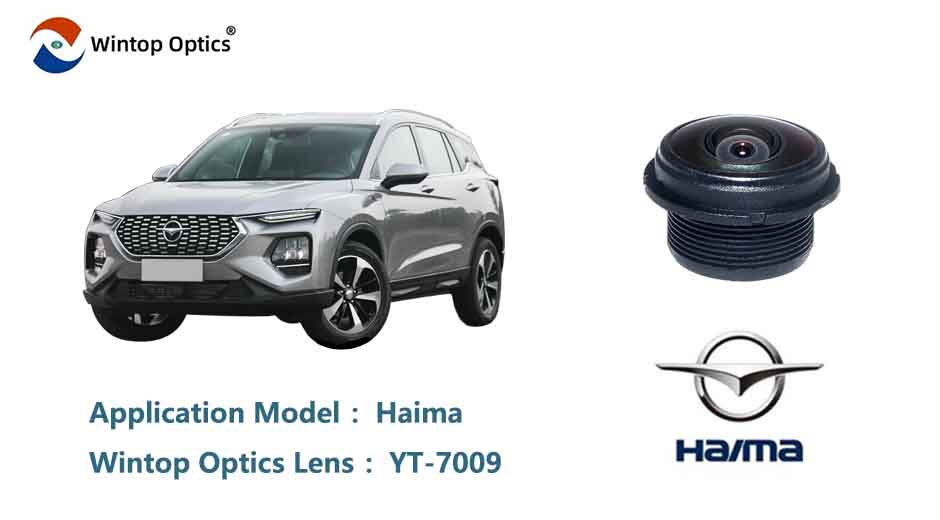
렌즈 적용 사례 10--하이마
윈탑 옵틱스, 국내 유수의 자동차 광학 렌즈 솔루션 공급업체, 광학 설계 및 정밀 제조 분야의 전문성을 활용하여 YT-7009를 개발했습니다. 초광각 렌즈—차세대 AVM 시스템에 최적화되었습니다. 사용자 경험에 중점을 둔 중국 자동차 제조업체인 하이마 오토(Haima Auto)는 YT-7009를 새로운 플래그십 모델의 서라운드 뷰 시스템의 "눈"으로 선택했습니다.Wintop YT-7009 렌즈: 기술적 하이라이트 및 혁신YT-7009는 AVM의 핵심 문제점을 해결하는 체계적 혁신을 제공합니다.뛰어난 저조도 성능:고투과율 나노 코팅(95% 이상 광투과율)을 사용하여 미광을 억제합니다. 대형 포맷 고감도 센서와 호환되어 달빛 아래에서도 선명하고 노이즈가 적은 이미지를 제공합니다.95% 투과율,
더 읽어보기
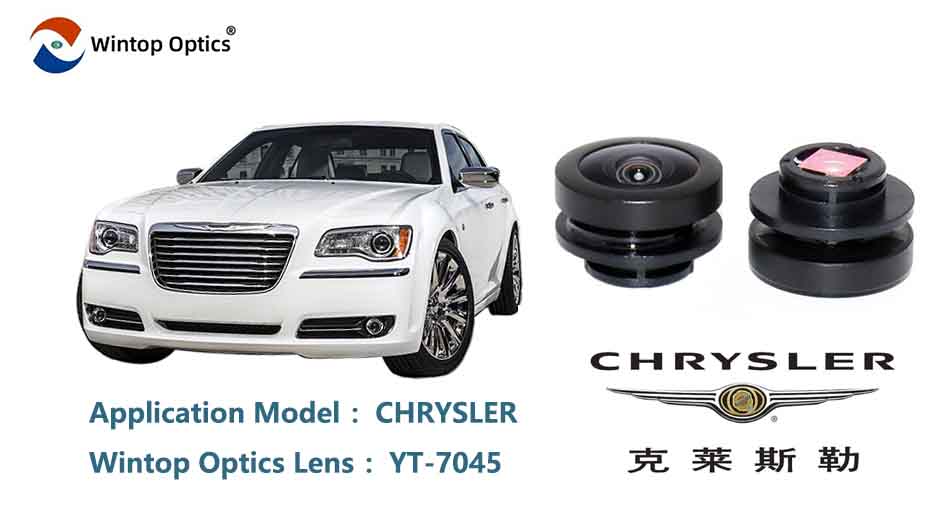
렌즈 적용 사례 09--CHRYSLER
차량 안전 및 운전자 지원 기술이 끊임없이 발전함에 따라 고해상도 후방 카메라 시스템은 최신 차량의 기본 사양이 되었습니다. 18년 이상의 광학 제조 경험을 바탕으로, 윈탑 옵틱스 자동차 제조업체에 안정적이고 고성능을 제공합니다. 렌즈 솔루션당사의 주력 제품 중 하나인 YT-7045 렌즈가 크라이슬러(CHRYSLER) 모델의 후방 카메라 시스템에 성공적으로 통합되어 까다로운 조건에서도 선명한 화질과 견고한 성능을 제공합니다.프로젝트 배경 크라이슬러는 특히 저조도 및 광각 시야 조건에서 이미지 선명도를 개선하고 왜곡을 최소화하여 후진 시스템의 안전성과 사용자 경험을 향상시키고자 했습니다. 이러한 요구 사항을 충족하기 위해 윈탑은 자동차 환경의 후방 시야에 최적화된 소형 광각 렌즈인 YT-7045를 제공했습니다.렌즈 하이라이트YT-7045 렌즈는 후방 카메라 시스템용으로 특별히 설계되었으며, 다음과 같은 장점을 제공합니다.  넓은 시야: 200°의 수평 시야를 제공하는 이 렌즈는 후방 시야를 포괄적으로 확보하여 후진이나 주차 시 사각지대를 크게 줄여줍니다.  낮은 왜곡 디자인: 정밀 광학 기술을 사용하여 가장자리 왜곡을 최소화하고 후면 디스플레이 이미지의 정확도를 향상시켰습니다.  높은 이미지 선명도: 최대 2메가픽셀 해상도를 지원하고 높은 투과율 코팅을 통합하여 낮은 조명 조건에서도 뛰어난 감도와 세부 묘사를 구현합니다.  자동차 등급 신뢰성: 자동차 등급 표준을 완벽하게 준수하며 -40°C ~ +85°C의 극한 온도에서도 안정적인 성능을 발휘합니다.  컴팩트한 기계 구조: 직경이 Φ12.9mm에 불과해 컴팩트한 후방 카메라 모듈에 완벽하게 통합할 수 있습니다.고객 피드백크라이슬러 엔지니어링 팀은 렌즈의 광학적 품질과 견고한 환경 성능에 대해 강한 만족감을 표명했습니다.Wintop의 YT-7045 렌즈는 저희가 필요로 했던 바로 그 기능을 제공했습니다. 넓고 선명하며 왜곡 없는 후방 시야를 확보해 주었죠. 다양한 조건에서도 안정적인 성능을 발휘하여 저희 차량 플랫폼에 필수적인 부품이 되었습니다. Wintop의 기술 협력과 신속한 지원에 감사드립니다.결론 크라이슬러 후방 카메라 시스템에 YT-7045 렌즈를 성공적으로 적용한 것은 자동차 산업에 최첨단 광학 솔루션을 제공하고자 하는 윈탑의 의지를 보여줍니다. 윈탑은 앞으로도 차량 안전과 운전자의 자신감을 향상시키는 신뢰할 수 있는 이미징 부품을 지속적으로 혁신하고 제공할 것입니다.
더 읽어보기
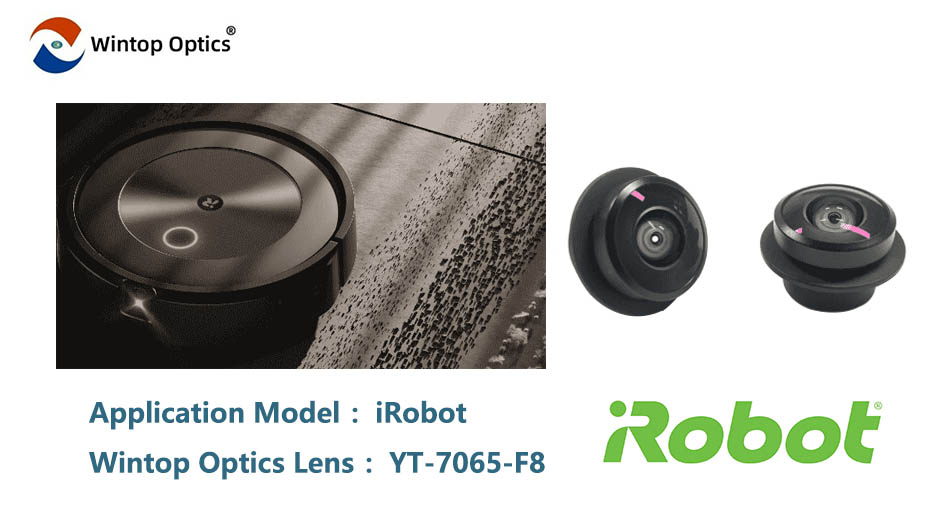
렌즈 적용 사례 08--iRobot 스위핑 로봇
스마트 홈 기술의 급속한 발전으로 청소 로봇은 가정의 필수품으로 자리 잡았습니다. 로봇 청소 업계의 선구자인 iRobot 청소 로봇은 청소 방식을 완전히 바꿀 뿐만 아니라, 효율적인 소비자에게 더욱 편리한 가정 환경을 제공합니다. 인공지능과 사물 인터넷(IoT)의 발전으로 iRobot의 청소 로봇은 단일 청소 기기에서 스마트 홈 스튜어드로 변모하고 있습니다. iRobot 프로젝트는 모두 Wento Optics에서 개발한 YT-7065-F8 렌즈를 사용하여, 고객 가정 청소에 중점을 둔 진공 청소 로봇 개발에 대한 iRobot의 기여를 강조합니다.iRobot 진공청소기 렌즈는 집안 구석구석을 모니터링하는 고급 진공청소기의 일부입니다. iRobot 청소 로봇 렌즈는 바닥의 모든 얼룩에 초점을 맞춰 고객이 깨끗한 집을 유지할 수 있도록 합니다. Wintop Optics의 YT-7065-F8 렌즈는 iRobot 진공청소기 프로젝트에 채택되었습니다.YT-7065-F8
더 읽어보기
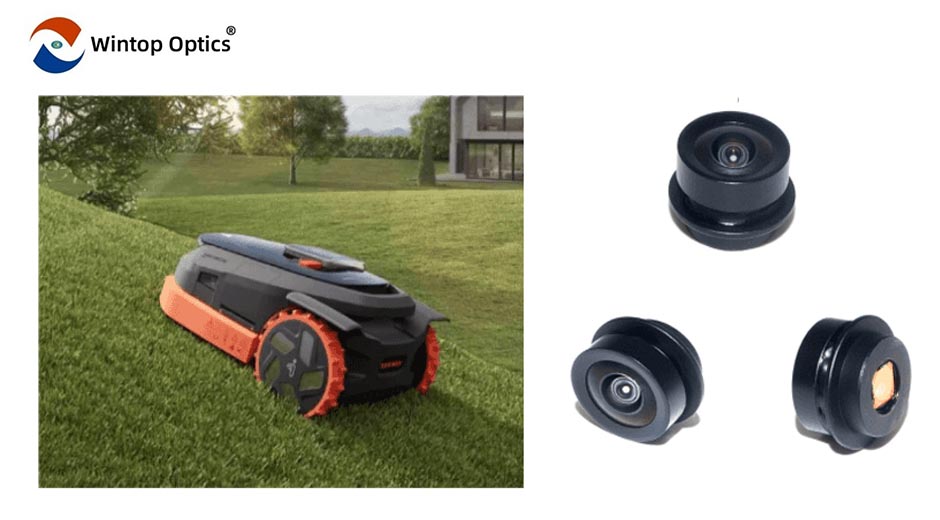
렌즈 적용 사례 07--잔디 깎는 기계
잔디 깎는 기계에 렌즈를 적용하면 더 나은 사용자 경험과 작동 정확성을 제공할 수 있습니다. 잔디 깎는 기계에 렌즈를 설치하면 다음과 같은 이점을 얻을 수 있습니다.지능형 경로 계획: 렌즈는 주변 환경의 이미지를 포착할 수 있습니다. 고해상도 기능 최적의 잔디 깎기 경로를 결정하는 이미지 인식 알고리즘을 탑재했습니다. 이 잔디 깎는 기계는 이미지 속 장애물을 분석하고 회피하여 잔디 깎기 과정을 더욱 효율적이고 정확하게 만들어냅니다. 마치 렌즈가 달린 스마트 로봇처럼 놀랍습니다.화단을 손상시키거나 지나가는 어린이의 머리를 베지 않도록 주의하세요. 렌즈에서 실시간 이미지 피드백을 제공하는 잔디 깎는 기계는 화단, 돌, 사람의 위치를 ​​감지하고 이에 따라 잔디 깎는 경로를 조정하여 손상을 방지합니다. 이런 기능에 반하지 않을 수 없죠. 안전한 카메라 렌즈잔디 깎기 높이 자동 조절: 카메라 렌즈 M12 총검 잔디밭의 실제 상황을 모니터링하고 잔디의 성장과 사용자가 설정한 원하는 높이에 따라 잔디 깎는 기계의 깎는 높이를 자동으로 조절합니다. 이를 통해 잔디 깎는 기계는 다양한 영역과 잔디 길이에 맞춰 적응적으로 깎아 잔디를 깨끗하고 고르게 유지할 수 있습니다.고장 진단 및 유지 관리 팁: 렌즈는 잔디깎이 기계의 작동 상태와 부품을 포착하여 사용자 또는 유지보수 담당자에게 이미지 데이터를 전송할 수 있습니다. 이러한 이미지 데이터를 분석하여 잠재적인 고장이나 유지보수 필요성을 사전에 감지하고, 잔디깎이 기계의 신뢰성과 수명을 향상시키기 위한 적시 조치를 취할 수 있습니다.전반적으로, 잔디 깎는 기계에 렌즈를 적용하면 이미지 인식 및 실시간 피드백과 같은 기술을 통해 지능형 경로 계획, 손상 방지, 잔디 깎기 높이의 자동 조정, 문제 진단 및 유지 관리 팁과 같은 솔루션을 제공하여 잔디 깎는 기계의 성능과 경험을 향상시킬 수 있습니다. 
더 읽어보기
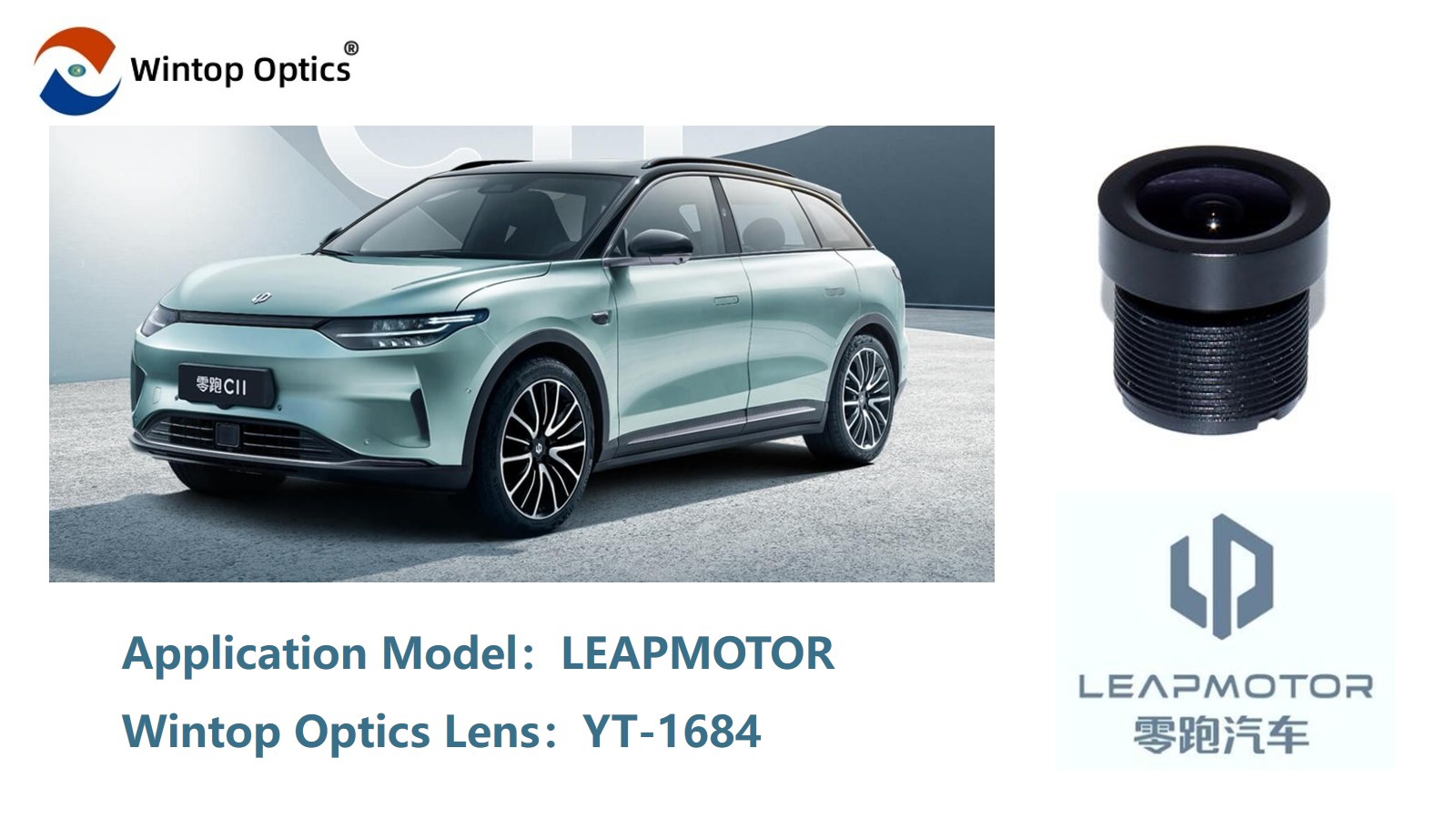
렌즈 적용 사례 06--LEAPMOTOR
LEAPMOTOR에 Wintop Optics DVR 렌즈 YT-1684를 성공적으로 적용   자동차 안전 및 스마트 기술 분야에서 윈탑 옵틱스 뛰어난 광학 제품인 이미징 렌즈로 유명합니다. YT-1684 차량용 카메라 렌즈, 혁신적인 주행 기록 렌즈 Wintop Optics의 기술이 LEAPMOTOR 자동차에 성공적으로 적용되어 차량의 지능형 모니터링 시스템을 강화했습니다.   제품 특징: 고화질: YT-1684 DVR 렌즈는 고품질 광학 유리를 사용하여 선명한 이미지와 실제 색상을 보장합니다. 광각 시야: 100도 이상의 광각 시야를 제공하여 주행 상황을 선명하게 녹화합니다. 내구성: 자동차 카메라 렌즈는 내구성이 뛰어나고 다양한 혹독한 기상 조건을 견딜 수 있도록 설계되었습니다.   LEAPMOTOR 케이스: LEAPMOTOR는 선도적인 신에너지 자동차 제조업체로서 첨단 기술과 지능형 주행 경험을 제공하기 위해 최선을 다하고 있습니다. Wintop Optics와의 파트너십을 통해 렌즈 제조업체LEAPMOTOR는 YT-1684 자동차 DVR 렌즈를 자사 생산 모델에 통합했습니다.   성공 요인: 안전성 업그레이드: YT-1684의 고화질 및 초광각 시야 대시캠 렌즈 운전 안전을 크게 향상시키고 운전자가 주변 환경을 더 잘 모니터링할 수 있도록 도와줍니다. 지능형 통합: 카메라는 LEAPMOTOR 자동차의 지능형 운전자 지원 시스템과 완벽하게 통합되어 실시간 도로 상태 분석과 조기 경고 기능을 제공합니다. 사용자 피드백: 사용자들은 YT-1684의 성능에 매우 만족하고 있습니다. 자동차 DVR 렌즈특히 도로 상황을 기록하는 데 있어 선명한 이미지 성능이 뛰어납니다.   시장 영향: YT-1684 렌즈의 출시는 LEAPMOTOR의 시장 경쟁력을 강화할 뿐만 아니라 자동차 산업 전체의 기술 발전을 촉진합니다. Wintop Optics와 리프모터 스마트카 기술 개발에 있어서 이정표로 여겨진다.   미래 전망: 자율주행과 차량과 사물 간 통신 기술이 발전함에 따라, Wintop Optics의 YT-1684 차량용 DVR 렌즈는 미래 차량 안전 및 모니터링 시스템에서 더 큰 역할을 할 것으로 예상되며, 운전자에게 더욱 포괄적이고 지능적인 운전 경험을 제공할 것입니다.  
더 읽어보기
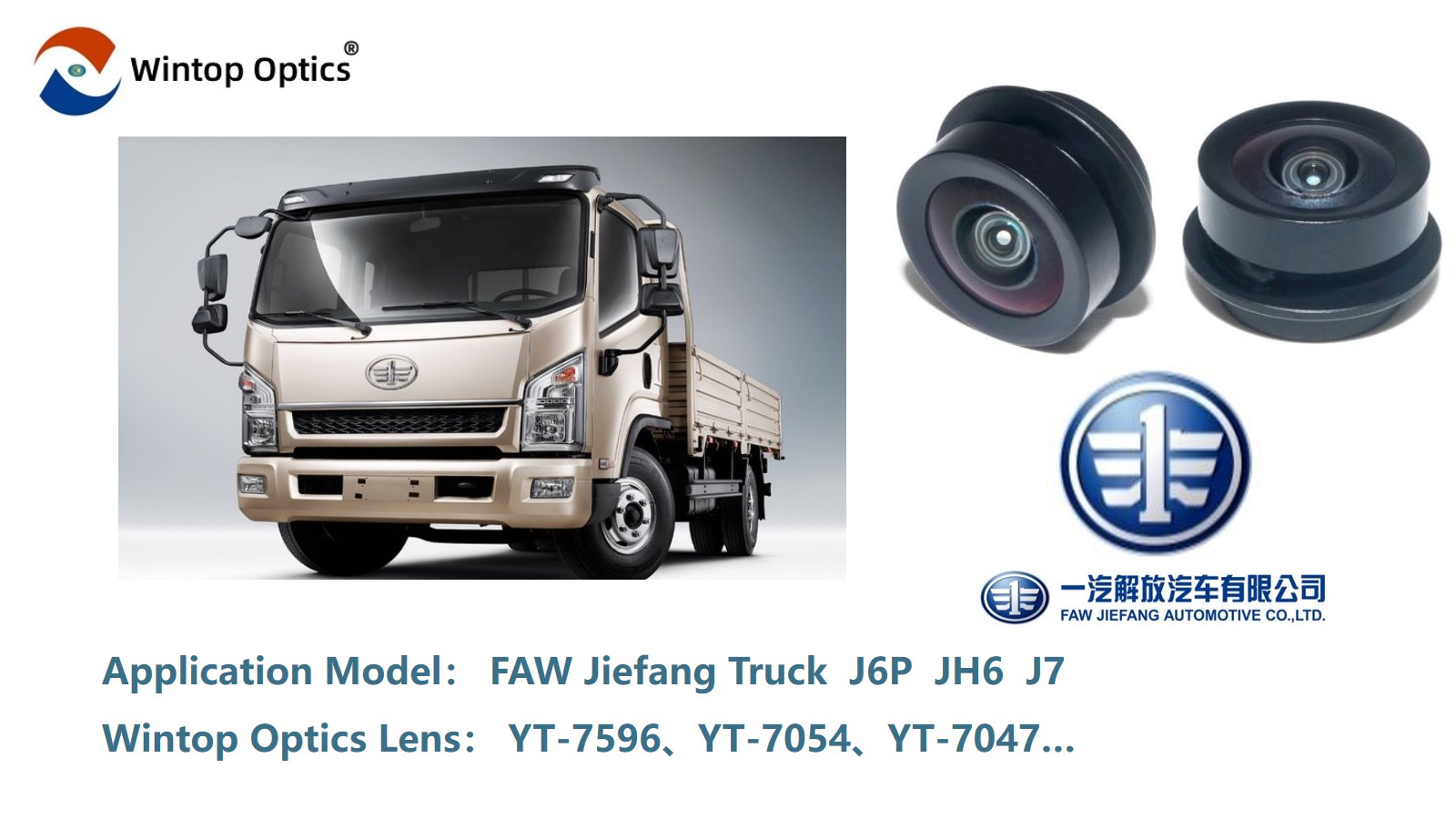
렌즈 적용 사례 05--FAW Jiefang
FAW Jiefang은 Wintop Optics의 여러 모델을 활용했습니다. 자동차 백미러 렌즈 YT-7596, YT-7054, YT-7047을 포함한 서라운드 뷰 렌즈를 제공합니다. 이러한 적용 사례는 Wintop 제품군의 다재다능함과 다양한 자동차 애플리케이션에 대한 적합성을 입증하며, 차량의 후방 및 서라운드 시야 기능을 향상시킵니다. 후방 및 서라운드 뷰 렌즈를 포함한 다양한 카메라 렌즈의 적용은 대형 트럭 운송의 안전성과 효율성을 향상시키는 데 중요한 역할을 합니다.사각지대 모니터링 렌즈: 이 렌즈는 고급 운전자 지원 시스템의 일부입니다.ADAS 렌즈)는 특히 차선 변경 시 트럭의 사각지대를 모니터링합니다. 운전자에게 실시간 경고를 제공함으로써 이러한 시스템은 도로 안전을 크게 향상시킵니다. 사각지대 모니터링 시스템에 사용되는 렌즈는 일반적으로 고해상도이며 필요한 영역을 모두 포착할 수 있는 넓은 시야각을 가지고 있습니다.어댑티브 크루즈 컨트롤(ACC) 및 차선 유지 보조(LKA) 렌즈: 이 렌즈는 안전거리 유지 및 차선 유지를 지원하는 시스템에 사용됩니다. 이 렌즈에는 전방 차량의 속도와 위치를 감지하는 첨단 센서가 장착되어 있어, 트럭이 이에 따라 속도를 조절합니다.
더 읽어보기
렌즈 적용 사례 04--Magna
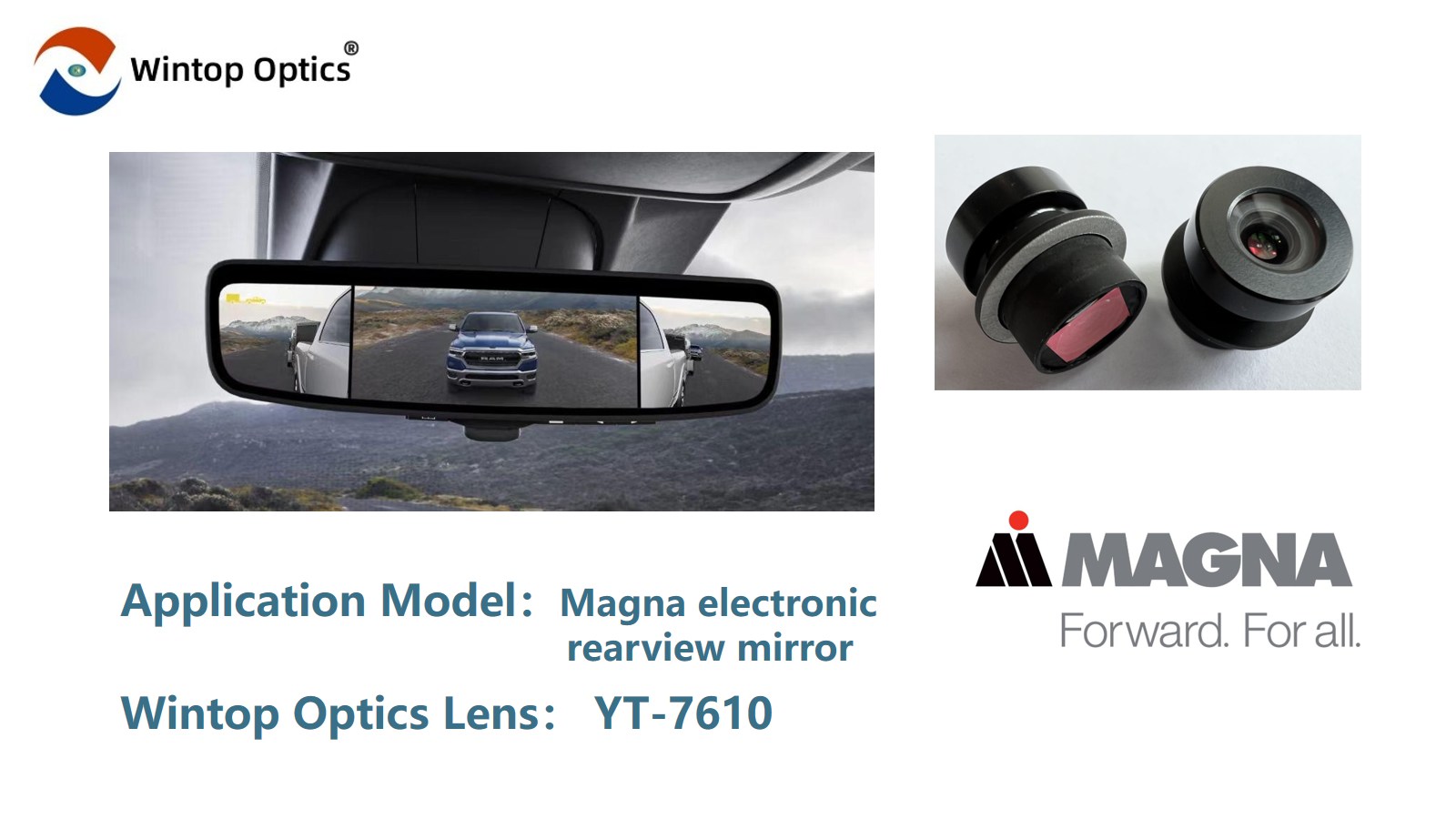
Wintop Optics의 YT-7610 모델 ADAS 렌즈 Magna의 사이드 뷰 및 ADAS(첨단 운전자 지원 시스템) 프로젝트에 선정되었습니다. 이 파트너십은 차량 안전 및 운전 지원 향상을 위해 설계된 정교한 시스템 개발을 지원하는 렌즈를 제공할 수 있는 Wintop의 역량을 입증합니다.자동차 측면 뷰 렌즈 사각지대 감지 및 차선 변경 지원에 사용되어 운전자에게 인접 차선을 명확하게 볼 수 있도록 해줍니다. 전자 후방 시야 렌즈 적응형 크루즈 컨트롤, 차선 이탈 경고, 충돌 회피 시스템과 같은 다양한 안전 기능에 필수적인 요소입니다. 카메라와 센서를 사용하여 차량 주변 데이터를 수집합니다. 윈탑 옵틱스의 YT-7610 모델 렌즈는 마그나의 측면 시야 및 ADAS 프로젝트에 채택되어 이러한 첨단 시스템을 지원할 수 있는 렌즈의 역량을 입증했습니다.
더 읽어보기
렌즈 적용 사례 03--AITO
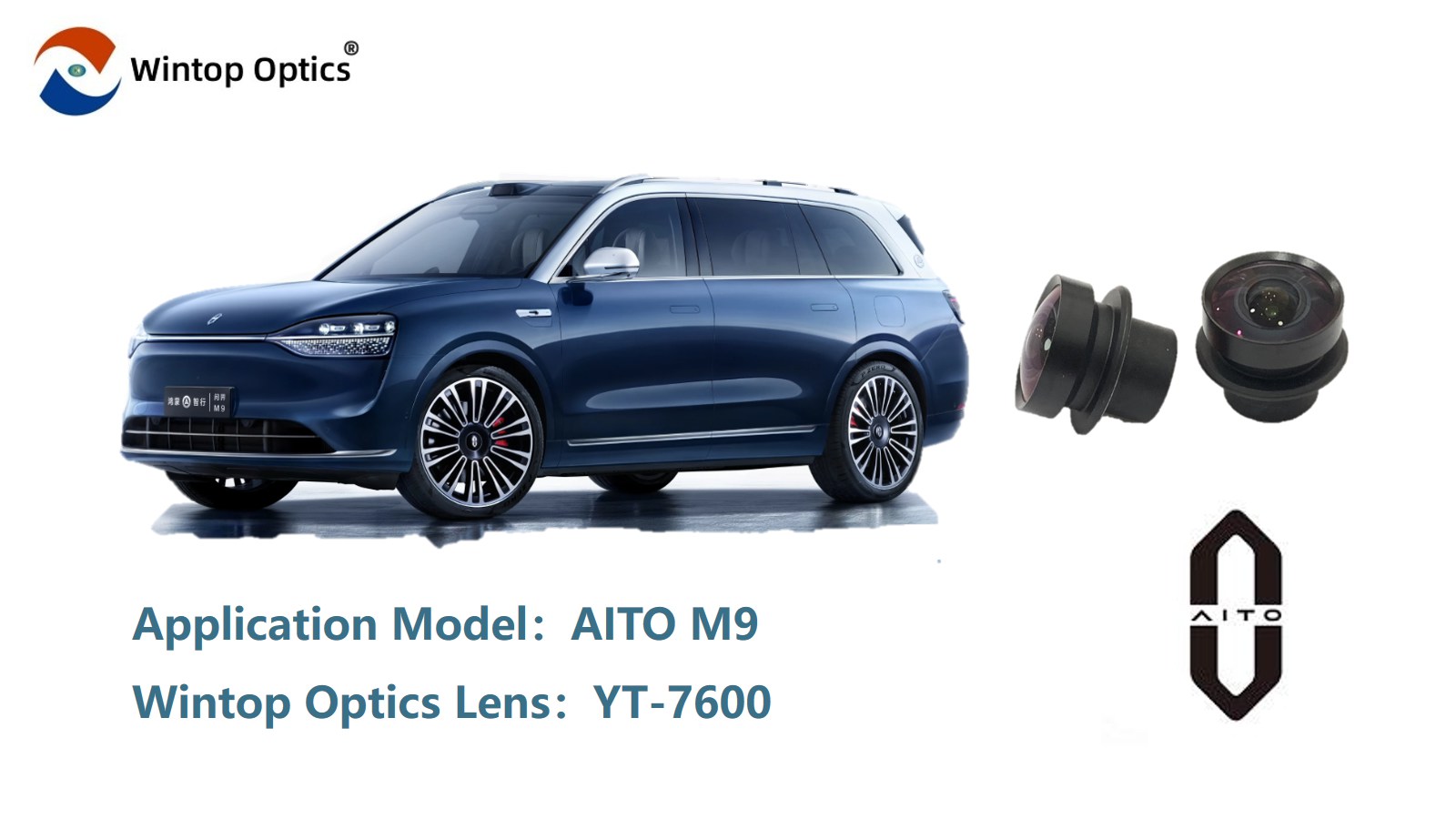
화웨이의 차량용 DMS(운전자 모니터링 시스템) 및 OMS(탑승자 모니터링 시스템) 프로젝트는 윈탑 옵틱스(Wintop Optics)에서 개발한 YT-7600 모델 렌즈의 도움을 받았습니다. 이는 운전자와 승객의 안전에 중점을 둔 최첨단 자동차 기술 개발에 기여하는 화웨이의 역할을 강조합니다.자동차(운전자 모니터링 시스템/탑승자 모니터링 시스템) DMS 렌즈 /OMS 렌즈 운전자의 주의력과 차량 내 탑승자의 상태를 모니터링하는 첨단 안전 시스템의 일부입니다. DMS 렌즈는 운전자의 얼굴에 초점을 맞춰 피로나 주의 산만 징후를 감지하고, OMS 렌즈는 탑승자를 모니터링하여 에어백과 같은 안전 기능이 올바르게 전개되는지 확인합니다. YT-7600 모델은 탑승자 모니터링 시스템 렌즈 Wintop Optics의 솔루션은 Huawei의 자동차 프로젝트에 채택되어 정교한 모니터링 시스템에 대한 적합성을 강조했습니다.
더 읽어보기

뉴스와 블로그

Wintop Optics는 광학 렌즈 기술의 경계를 넓히는 데 전념하고 있습니다. 미래 지향적인 렌즈 제조업체로서 당사는 전 세계 고객의 다양한 요구 사항을 충족하기 위해 새로운 광학 기술을 수용하면서 지속적으로 발전하고 있습니다. Wintop Optics는 귀하의 발전하는 파트너입니다.
블로그
Why Low Distortion Lenses Are Critical for Robotic Vision Systems
In robotic vision, accuracy is everything. Whether it’s a robotic arm performing pick-and-place tasks or a 3D inspection system measuring fine details, even small visual errors can lead to significant performance issues. One of the most overlooked factors behind these errors is lens distortion. Choosing a low distortion lens for robotic vision systems can greatly improve measurement accuracy, object recognition, and overall system reliability. This article explains why distortion matters, how it affects robotic performance, and how to select the right lens for your application. What Is Lens Distortion in Machine Vision? Lens distortion refers to the deviation of an image from its true geometric shape. Straight lines may appear curved, and objects may be slightly warped, especially toward the edges of the image. In consumer photography, this may be acceptable. However, in machine vision lenses for robotics, distortion directly affects how accurately a system interprets real-world objects. There are two common types: Barrel distortion – images appear to bulge outward Pincushion distortion – images appear to curve inward Even small amounts of distortion can lead to measurable errors in robotic systems. How Distortion Affects Robotic Vision Accuracy 1. Positioning Errors in Robotic Arms In robotic arm vision systems, cameras guide the robot to locate and interact with objects. If distortion is present, the perceived position of objects can shift. This may result in: Misalignment during pick-and-place operations Reduced precision in assembly processes Increased calibration requirements 2. Measurement Inaccuracy in Inspection Systems In quality inspection applications, dimensional accuracy is critical. A low distortion lens for machine vision ensures that shapes and distances are represented correctly, reducing the risk of measurement errors or false rejections. 3. Depth Errors in Stereo Vision Systems Distortion becomes even more critical in stereo vision lenses for robots. Stereo systems rely on two synchronized images to calculate depth. If distortion is present, depth calculations may become inaccurate, leading to: Reduced reliability in 3D perception Errors in object distance estimation Instability in robotic decision-making Why Low Distortion Lenses Are Essential Using a low distortion lens for robotic vision ensures that the captured image closely represents real-world geometry. Key advantages include: Improved positioning accuracy in robotic systems More reliable measurement results Enhanced depth perception in 3D vision applications Reduced reliance on software correction While software algorithms can compensate for distortion, they increase system complexity and may not fully restore geometric accuracy. Key Features to Look for in a Low Distortion Robotic Vision Lens When selecting a robotic vision lens, the following factors should be considered: Controlled Distortion Level Choose lenses with clearly specified distortion values, such as less than -18%. Lower distortion leads to more consistent and reliable imaging. Field of View Balance A wide angle lens for robotic vision can increase coverage, but excessive field of view may introduce more distortion. The goal is to balance visibility with accuracy. Appropriate Focal Length A focal length such as 3.05mm for robotic vision lenses provides a good balance between coverage and detail, especially in compact robotic systems. Sensor Compatibility A CRA-optimized lens for sensors helps ensure even light distribution and better image quality across the entire frame. Compact and Standardized Design A compact M12 lens for robotic cameras allows easier integration into robotic arms and embedded systems with limited space. Industrial Durability For harsh environments, industrial-grade optical lenses or IP69 rated camera lenses are recommended to ensure long-term stability and protection against dust and water. Practical Impact on Robotic Systems In real-world applications, switching to a low distortion lens for robotic arm vision systems can significantly improve: Pick-and-place precision Calibration stability Edge detection and object recognition For stereo vision systems, the improvement is even more pronounced, as accurate geometry is essential for depth calculation. Final Thoughts Lens distortion is not just a minor optical characteristic. It directly influences how robots perceive and interact with their environment. By selecting the right low distortion lens for machine vision and robotics, engineers can improve accuracy, reduce system errors, and enhance overall performance. As robotic systems continue to evolve toward higher precision and 3D perception, the importance of low distortion optics will only increase. Contact Us If you are developing a robotic vision system and need support in selecting the right lens, Wintop Optics can help. We provide low distortion lenses, stereo vision lenses, and custom M12 lens solutions for robotic applications, tailored to your specific requirements. Tel / WhatsApp: +86 15302689906Email: yorty@yuntal.com Feel free to contact us to discuss your project and find the most suitable optical solution.
Apr 03,2026 더보기
블로그
What Lens Is Best for Robotic Vision Systems?
Choosing the right lens for a robotic vision system isn’t just about getting a clear image—it directly impacts accuracy, depth perception, and system reliability. Whether you’re building a robotic arm for inspection, pick-and-place, or AI-driven automation, the lens plays a critical role in how well your system performs in real-world conditions. In this guide, we’ll walk through how to choose the best lens for robotic vision systems, based on practical engineering needs rather than generic specs. Why the Lens Matters More Than You Think In many projects, teams focus heavily on sensors and algorithms, but overlook the lens. In reality, the lens defines: How much of the scene your robot can “see” How accurately it can measure distance and position How well it performs under different lighting and environments A poorly chosen lens can introduce distortion, reduce edge clarity, or limit field of view—leading to errors in detection and positioning. Types of Lenses for Robotic Vision Systems Different applications require different optical approaches. Some of the most common options include: 1. Standard Machine Vision Lenses These are widely used for basic inspection and object detection. They work well when depth perception is not required. 2. Wide Angle Lenses for Robotic Vision When your robot needs to monitor a larger area—such as conveyor belts or multi-object environments—a wide angle lens for robotic vision helps expand coverage without adding more cameras. 3. Stereo Vision Lenses for Robots For applications requiring depth perception, such as robotic arms and 3D positioning, stereo vision lenses for robots are essential. They enable depth sensing by capturing two synchronized images, allowing the system to calculate distance accurately. Key Factors When Choosing a Robotic Vision Lens 1. Focal Length and Field of View The focal length determines how wide or narrow your view is. Short focal lengths (e.g., 3.05mm focal length lens for robotics) provide a wider field of view Wider views help reduce blind spots but may slightly reduce detail For robotic arms, a balance is key: enough coverage to see the workspace, but with sufficient detail for precise positioning. 2. Distortion Control Distortion is one of the most overlooked factors in robotic vision. A low distortion lens for machine vision ensures that straight lines remain straight and measurements stay accurate. This is especially important in: Object positioning Dimensional inspection 3D reconstruction Lenses with distortion below -18% are often preferred in wide-angle robotic systems to maintain geometric accuracy. 3. Aperture and Low-Light Performance Lighting conditions in industrial environments can vary significantly. A lens with an aperture like F2.2 offers a good balance between light intake and depth of field, making it suitable for both controlled and semi-variable lighting conditions. 4. Sensor Compatibility (CRA Matters) Matching the lens to the sensor is critical. A CRA-optimized lens for sensors ensures proper light distribution across the image, improving edge clarity and reducing vignetting. This becomes especially important when working with compact sensors like those used in embedded robotic systems. 5. Mechanical Design and Integration In robotics, space is often limited. A compact lens for robotic systems with a shorter total length (TTL) makes integration easier, especially in robotic arms or tight enclosures. Standard interfaces like M12 lenses for robotic cameras also simplify installation and replacement. 6. Environmental Durability Not all lenses are built for industrial environments. If your system operates in harsh conditions, choosing an IP69 rated camera lens can make a significant difference. These industrial-grade optical lenses are designed to withstand: Dust and debris High-pressure water exposure Temperature fluctuations This is especially important for applications like factory automation, food processing, or outdoor robotics. Putting It All Together: What Should You Choose? So, what lens is best for robotic vision systems? The answer depends on your application—but in general, an ideal solution should offer: Wide enough field of view for coverage Low distortion for measurement accuracy Compatibility with your sensor Compact design for easy integration Durability for your working environment For example, in robotic arm vision systems that require depth perception, a stereo lens setup with low distortion, wide angle coverage, and industrial protection is often the most effective choice. Final Thoughts Selecting the right robotic vision lens isn’t about choosing the highest specs—it’s about choosing the right combination of optics, mechanics, and durability for your specific use case. By understanding how factors like focal length, distortion, and environmental resistance affect performance, you can build a more reliable and accurate vision system from the ground up. Let’s Talk About Your Project If you’re working on a robotic vision system and need help selecting the right lens, we’re here to support you. At Wintop Optics, we specialize in custom robotic vision lenses, stereo lens solutions, and M12 lens design for industrial applications—tailored to your exact requirements. Tel / WhatsApp: +86 153 0268 9906Email: yorty@yuntal.com Feel free to reach out—we’d be happy to help you find the right optical solution for your project.
Apr 03,2026 더보기
블로그
Which Lens is Used in a Drone Camera?
Drone cameras have become essential tools for aerial photography, surveillance, industrial inspections, and mapping. The quality of the lens directly affects image clarity, field of view, low-light performance, and overall drone capabilities. Selecting the right lens for your drone can make the difference between professional-grade footage and ordinary results. Popular Lens Types for Drones For drones, M12 S-Mount lenses are widely used due to their compact size, lightweight design, and excellent optical performance. One of the most popular options is the 3.3mm M12 lens f1.1 for drone low-light imaging, which provides ultra-bright performance in dim environments and is ideal for FPV drones or evening aerial photography. For drones that require longer focal lengths or detailed inspection capabilities, lenses such as the 6mm M12 lens f1.8 for UAV cameras or 4mm M12 S-Mount lens for night vision UAV are highly recommended. These lenses offer higher precision and allow drones to capture intricate details from higher altitudes or during night operations. Wide Angle and High Aperture Lenses A wide field of view is crucial for aerial photography. Lenses like 3.3mm ultra bright M12 lens f1.1 for aerial photography and 3.6mm M12 lens f2.0 for drone videography provide broad coverage while maintaining minimal distortion. High-aperture lenses allow drones to perform well in low-light conditions, enabling sunset or nighttime flights without sacrificing image quality. Low Distortion and Sensor Compatibility Different drones come with different camera sensors, so lens compatibility is essential. High-quality M12 lenses such as 3.0mm M12 lens for 1/2.7 inch UAV sensor or 4.0mm M12 lens for 1/3 inch FPV camera ensure low distortion and crisp imaging. Selecting lenses that match your sensor size guarantees accurate image reproduction and professional results. Applications in Drone Operations Aerial Photography: Wide-angle lenses like 3.3mm M12 lens f1.1 with wide angle for UAV cameras deliver cinematic and immersive shots. Industrial Inspections: Lenses such as 6mm M12 lens f1.8 for drone surveillance capture fine details in difficult-to-reach areas, making them ideal for inspection drones. Night Surveillance: 4mm M12 S-Mount lens for night vision UAV ensures bright and clear imaging even in low-light conditions. FPV Racing Drones: Lightweight lenses like 3.3mm M12 S-Mount lens for FPV drones provide fast, responsive visuals for high-speed operations. Why Choose M12 Lenses for Drones? M12 lenses are compact, versatile, and offer excellent optical quality. Their small size and lightweight design make them suitable for various drone models, from hobbyist FPV drones to professional UAVs. The availability of different focal lengths, apertures, and wide-angle designs ensures that there is an M12 lens for virtually every drone application. Conclusion Choosing the right lens for your drone camera depends on the intended application, sensor size, and desired field of view. A mix of lenses — from 3.3mm F1.1 for low-light FPV flying to 6mm F1.8 for industrial inspections — provides flexibility and ensures high-quality aerial imaging. By selecting the appropriate M12 S-Mount lens, drone operators can achieve clear, low-distortion footage for both professional and recreational use. Call to Action If you are looking for high-performance M12 lenses for drones, contact us today to explore our full range of lenses designed for FPV, aerial photography, night vision, and industrial UAV applications. Let us help you find the perfect lens for your drone project. Contact Wintop Optics: TEL/WhatsApp:+86 153 0268 9906 Email:yorty@yuntal.com
Mar 28,2026 더보기
블로그
Why Are Dashcam Lenses So Wide Angle?
When choosing a dash camera, one of the first things people notice is how wide the lens appears to be. Unlike traditional cameras, most dashcams are designed with a wide angle dash cam lens to capture a much broader field of view, often ranging from a 140 degree dash cam lens to a 170 degree ultra wide angle dash cam lens. So why are dashcam lenses made so wide? The answer lies in safety, coverage, and real-world driving needs. Capturing More of the Road in a Single Frame The primary reason behind a wide-angle design is simple: it allows the camera to record more of the surrounding environment. Instead of focusing narrowly on what is directly in front of the vehicle, a wide field of view car camera lens can include adjacent lanes, sidewalks, and roadside activity all at once. In practical terms, this means that important details—such as a car approaching from the side or a pedestrian stepping into the road—are less likely to be missed. For drivers, this broader perspective can make a significant difference when reviewing footage after an incident. Reducing Blind Spots During Driving Blind spots are a common cause of accidents, especially in busy urban traffic or on highways. A wide angle front view dash cam lens helps reduce these blind areas by extending the visible range toward the edges of the scene. This becomes particularly valuable at intersections, during lane changes, or when vehicles merge unexpectedly. For larger vehicles like trucks or buses, using a wide angle dash cam lens for truck is even more critical, which is why it is widely adopted in fleet and commercial systems. Adapting to Different Camera Positions Modern dashcam systems often go beyond a single front-facing camera. Many setups include rear cameras and interior monitoring, each with its own requirements. A wider viewing angle helps ensure that each camera can effectively cover its intended area. For example, a wide angle rear view dash cam lens improves visibility when reversing, while a wide angle in-car monitoring lens or ultra wide cabin camera lens can capture the entire cabin without leaving gaps. This flexibility is one of the key reasons wide-angle designs have become standard across automotive camera systems. The Balance Between Coverage and Image Accuracy While wider lenses provide greater coverage, they also introduce certain optical challenges. As the viewing angle increases, images near the edges may appear slightly curved or stretched. This effect, commonly known as distortion, is a natural result of ultra-wide optical design. High-quality solutions, such as a low distortion wide angle dash cam lens or an ultra wide angle lens with low distortion, are engineered to minimize this effect. The goal is to maintain a natural-looking image while still offering a broad field of view. Performance in Low-Light Environments Driving at night presents additional challenges, and lens design plays an important role in how well a dashcam performs under low-light conditions. A well-designed wide angle dash cam lens for night vision works together with advanced sensors to capture enough light, ensuring that important details remain visible even in dim environments. In higher-end systems, an ultra wide low light automotive lens or even a 4K ultra wide dash cam lens can deliver clear footage while maintaining wide coverage. Is Wider Always Better? It may seem that the widest possible lens would always be the best choice, but that’s not necessarily true. While a broader field of view increases coverage, it can also reduce detail in certain areas and make distortion more noticeable. This is why comparisons like 140 vs 170 degree dash cam lens are common when selecting a product. A moderate angle may offer a better balance between clarity and coverage, depending on the application. Choosing the Right Lens for Your Needs Selecting the right dashcam lens involves more than just looking at the viewing angle. It’s important to consider where the camera will be installed, what it needs to capture, and how it will perform in different conditions. Factors such as image clarity, distortion control, and low-light performance all play a role. Many compact systems today adopt an M12 wide angle dash cam lens design, which allows for easy integration into various automotive camera modules. Conclusion Dashcam lenses are designed to be wide-angle because they offer greater visibility, reduce blind spots, and capture more of what happens on the road. These advantages make a wide angle dash cam lens an essential component of modern vehicle safety systems. However, the ideal solution is not simply the widest option available. A well-balanced lens—combining coverage, clarity, and performance—will deliver the most reliable results in real-world driving scenarios. Contact Us Looking for a reliable wide angle dash cam lens for your project? We offer professional support, fast recommendations, and custom solutions to match your exact requirements. Phone / WhatsApp: +86 153 0268 9906 Email:yorty@yuntal.com   Get in touch with us today and let’s find the right lens for your application.
Mar 28,2026 더보기
블로그
The Ultimate Step-by-Step Guide to Choosing an M12 Lens for Your Embedded Camera Application
Choosing the right M12 lens for embedded camera applications is critical for achieving optimal image quality, system performance, and long-term reliability. Whether you are designing a smart device, industrial vision system, or automotive solution, selecting the correct M12 lens module can significantly impact your final product. In this guide, we’ll walk you through a step-by-step process to help you choose the best M12 camera lens for embedded systems, while covering key technical parameters and application-specific considerations. 1. Understand Your Embedded Camera Application Requirements Before selecting an M12 lens for embedded systems, you need to clearly define your application scenario. Common embedded applications include: Smart home cameras IoT devices Industrial machine vision systems ADAS and automotive cameras Robotics and AI vision Each scenario requires a different type of M12 lens for specific applications, such as: M12 lens for surveillance camera M12 lens for ADAS system M12 lens for machine vision Tip: Always start with the use case, not the lens. 2. Choose the Right Focal Length (Field of View) The focal length determines the field of view (FOV), which is one of the most important factors when selecting an M12 wide angle lens for embedded camera. Typical focal lengths: 1.8mm – Ultra wide-angle / fisheye 2.1mm – Wide angle 2.8mm – Standard wide-angle 3.6mm+ – Narrower field, longer distance If your project requires a wider scene, consider: ultra wide angle M12 lens fisheye M12 lens for embedded systems For more focused applications: low distortion M12 lens for machine vision 3. Match the Sensor Size An M12 board lens must match your image sensor size to avoid vignetting and ensure full image coverage. Common sensor formats: 1/4" 1/3" 1/2.7" 1/2.5" For example: Use a M12 lens for 1/2.7 sensor camera for better compatibility Choose a high resolution M12 lens for embedded camera module when using megapixel sensors 4. Consider Aperture and Low-Light Performance Aperture (F-number) affects how much light enters the lens. Key considerations: Lower F-number (e.g., F1.8): better low-light performance Higher F-number (e.g., F2.8): deeper depth of field If your application includes night or indoor use: low light M12 lens for embedded camera night vision M12 lens module 5. Evaluate Distortion and Image Quality Distortion is especially important in embedded vision systems such as robotics and industrial inspection. Lens types: Low distortion: ideal for measurement and AI vision Wide angle: higher distortion but broader coverage Recommended keywords: low distortion M12 lens for industrial camera high resolution M12 lens for machine vision 6. Check Lens Structure and Size Constraints Embedded systems often have strict space limitations, making compact M12 lens modules essential. Important factors: Total Track Length (TTL) Diameter and mounting structure Weight and material Best options: compact M12 lens for embedded device mini M12 lens module for IoT camera 7. Consider Special Features (IR, HDR, etc.) Depending on your application, you may need specialized features: Examples: IR cut or IR pass for night vision HDR compatibility Waterproof or dustproof design Relevant keywords: infrared M12 lens for night vision camera M12 lens for outdoor surveillance system 8. Choose a Reliable M12 Lens Manufacturer Finally, selecting a trusted supplier is just as important as the technical specs. Look for: Customization capability Stable quality control Experience in embedded systems Search-friendly keywords: M12 lens manufacturer for embedded camera custom M12 lens supplier for OEM projects M12 lens factory for industrial applications Conclusion Selecting the right M12 lens for embedded camera applications involves balancing multiple factors, including focal length, sensor compatibility, image quality, and system constraints. By following this step-by-step guide, you can confidently choose the best M12 lens module for your embedded system, ensuring optimal performance across a wide range of applications—from smart home devices to advanced automotive systems.
Mar 20,2026 더보기
  • Wintop Optics is Exhibiting at Laser World of Photonics Shanghai 2026
    Wintop Optics, a professional manufacturer of high-performance optical lenses, is currently participating in the Laser World of Photonics Shanghai, one of the most influential trade fairs for the photonics and optics industry in Asia. The exhibition is taking place in Shanghai, China, where global industry leaders, engineers, and innovators gather to explore the latest developments in optical technologies, machine vision systems, and imaging solutions. Visit Wintop Optics at Booth E5.5832 During the event, Wintop Optics is showcasing its latest innovations in optical lenses, including: High-quality M12 lenses for machine vision applications Advanced ADAS camera lenses for automotive imaging systems Ultra wide-angle and fisheye lenses for smart devices and surveillance Customized optical lens solutions for industrial and AI-driven imaging Visitors are invited to booth E5.5832 to experience our products firsthand and discuss tailored optical solutions with our professional engineering and sales team. Driving Innovation in Optical Imaging With over 20 years of experience in optical lens design and manufacturing, Wintop Optics continues to deliver reliable and innovative imaging solutions for a wide range of industries, including: Intelligent driving and automotive safety Industrial automation and machine vision Smart home and security systems Robotics and AI imaging Our participation in Laser World of Photonics Shanghai reflects our commitment to staying at the forefront of optical technology and strengthening global partnerships. Meet Us in Shanghai We warmly welcome customers, partners, and industry professionals to visit our booth and explore how our high-performance optical lenses can support your next project. 📍 Booth: E5.5832 📍 Location: Shanghai, China
    Mar 18, 2026 소식
  • Wintop Optics, 스트리밍 백미러 시스템용 YT-7739-F8 렌즈 출시
    Wintop Optics는 새로운 YT-7739-F8 출시를 자랑스럽게 발표합니다. 스트리밍 백미러 렌즈차세대 차량용 비전 시스템을 위해 뛰어난 선명도, 광각 커버리지, 뛰어난 내구성을 제공하도록 설계되었습니다. 수요가 증가함에 따라 스마트 자동차 렌즈YT-7739-F8은 광학적 정밀성과 환경적 신뢰성의 완벽한 균형을 제공하여 모든 주행 조건에서 선명하고 안정적인 성능을 보장합니다. 전체 도로 인식을 위한 광각 커버리지 YT-7739-F8은 2.1mm의 초점거리를 갖추고 있으며, 인상적인 157° 대각선 시야각을 구현하여 스트리밍 백미러가 왜곡 없이 포괄적이고 실시간적인 후방 시야를 표시할 수 있습니다. 이 초광각 FOV는 운전자의 상황 인식을 향상시켜 사각지대를 줄이고 차선 변경 및 후진 기동 시 안전성을 향상시킵니다. 높은 광 투과율 및 낮은 왜곡 정밀하게 설계된 이 렌즈는 평균 투과율 ≥ 90%(455~585nm) 및 640nm에서 50% 투과율을 달성하여 까다로운 조명 조건에서도 생생하고 고대비 이미지를 보장합니다. 낮은 왜곡률(< -25%와 높은 상대 조도(> 68%) 덕분에 사실적이고 가장자리부터 가장자리까지 선명한 이미지 품질이 보장되므로 자동차 디스플레이 및 녹화 시스템에 이상적입니다. 극한의 자동차 환경을 위해 제작됨 6G + 1BG 광학 구조로 설계된 YT-7739-F8은 뛰어난 광학적 안정성과 최소한의 색수차를 제공합니다. 렌즈는 -40°C에서 +85°C까지의 온도 범위에서도 성능을 유지하며, 자동차 등급 내구성에 대한 엄격한 기준을 충족합니다. 견고한 A6061 알루미늄 하우징과 IP69K 방수 및 방진 등급을 갖춘 이 제품은 고압의 물, 먼지 침투, 진동을 견뎌내므로 여름철 더위와 폭우 조건에서도 안정적인 성능을 보장합니다. 최신 차량 시스템에 최적화됨 YT-7739-F8은 Sony IMX307 센서(1920×1080)와 호환되며 스트리밍 백미러, 주차 지원 시스템, 서라운드 뷰 모니터링(AVM)에 사용되는 고급 이미징 모듈을 지원합니다. 광학 설계를 통해 고화질 디스플레이에 안정적인 이미지 출력을 보장하고, 운전자에게 실시간으로 선명하고 지연 없는 시각적 경험을 제공합니다. 자동차 비전의 미래를 주도하다 차량이 더욱 스마트하고 안전한 비전 기술을 계속 통합함에 따라 Wintop Optics는 신뢰할 수 있는 기술 개발에 전념하고 있습니다. 고성능 자동차 렌즈 운전의 안전성과 편안함을 모두 향상시킵니다. YT-7739-F8은 광각 정밀도, 환경 내구성, 광학적 우수성을 하나의 컴팩트한 디자인으로 결합하여 광학 혁신의 또 다른 진전을 나타냅니다. Wintop Optics 소개 자동차, 보안 및 산업용 광학 렌즈 제조 분야에서 19년 이상의 전문성을 보유하고 있습니다. 윈탑 옵틱스 전 세계 고객에게 고급 이미징 솔루션을 제공합니다. 당사는 광학 성능, 내구성, 그리고 지능형 이미징 애플리케이션에 중점을 두고 끊임없이 혁신을 거듭하고 있습니다.
    Nov 08, 2025 소식
  • Wintop Optics, 고성능 드론 이미징용 YT-1755P-F1 렌즈 출시
    윈탑 옵틱스(Wintop Optics)는 드론 및 항공 촬영에 탁월한 이미징 성능을 제공하도록 설계된 새로운 YT-1755P-F1 렌즈 출시를 자랑스럽게 발표합니다. 컴팩트한 광학 설계와 뛰어난 광 투과율 및 안정성을 결합한 이 새로운 모델은 항공 감시, 매핑 및 저조도 촬영 시 이미지 선명도와 안정성을 향상시킵니다. 공중 시야를 위한 뛰어난 광학적 선명도 YT-1755P-F1 드론 렌즈 2.08mm 초점 거리와 F/1.1 대구경을 탑재하여 저조도 환경에서도 뛰어난 집광 성능을 제공합니다. 이를 통해 드론은 고고도에서, 그리고 해질녘이나 새벽녘 임무에서 더욱 선명하고 디테일한 이미지를 촬영할 수 있습니다. 최대 135°(대각선)의 시야각(FOV)을 제공하는 이 렌즈는 초광각 시야를 제공하여 항공 모니터링 및 풍경 촬영에 이상적입니다. 430~615nm 파장에서 93% 이상의 높은 투과율은 다양한 조명 조건에서도 선명한 색상 재현과 정밀한 대비를 보장합니다. 안정성과 환경적 내구성을 위해 최적화됨 실외 작동을 위해 개발된 YT-1755P-F1 렌즈는 -20°C ~ +70°C의 온도 범위에서 탁월한 이미지 안정성을 유지하여 다양한 기후와 비행 조건에서 높은 신뢰성을 제공합니다. 렌즈 구조는 2G5P + 1IR 광학 구조를 채택하여 왜곡을 최소화하고 적외선 성능을 향상시켜 가시성과 정확도를 향상시킵니다. IP52 방진 설계로 내부 광학 장치를 습기와 공기 중 입자로부터 보호하여 까다로운 환경에서도 일관된 이미지 품질을 보장합니다. 드론 카메라 시스템과의 폭넓은 호환성 YT-1755P-F1은 1/2.7", 1/2.8", 1/3"를 포함한 여러 이미지 센서 형식을 지원하여 다양한 이미지 센서와의 통합을 위한 유연성을 제공합니다. 드론 카메라 모듈. 낮은 왜곡으로 (< 1/2.8인치의 경우 -19%의 이 렌즈는 사실적인 이미지와 정밀한 가장자리 디테일을 보장합니다. 이는 항공 작업에서 매핑, 지형 인식 및 객체 추적에 필수적입니다. 전문적인 항공 촬영을 위해 설계됨 YT-1755P-F1은 높은 투과율, 넓은 각도, 온도 안정성 덕분에 다음과 같은 용도에 적합합니다. 항공 사진 및 영상 촬영 드론 기반 검사 및 매핑 보안 및 환경 모니터링 수색 및 구조 임무 밝은 햇빛 아래서 비행하든 황혼녘에 비행하든, YT-1755P-F1은 모든 프레임이 선명하고 일관되며 실제와 같은 상태를 유지하도록 보장합니다. Wintop Optics 소개 정밀 광학 설계 분야에서 19년 이상의 전문성을 보유하고 있습니다. 윈탑 옵틱스 자동차, 드론, 감시 및 산업용 첨단 렌즈 개발을 전문으로 합니다. 당사는 전 세계적으로 더욱 스마트한 비전 시스템을 구축하는 고품질의 신뢰할 수 있는 광학 솔루션으로 끊임없이 혁신을 거듭하고 있습니다.
    Oct 31, 2025 소식

도움이 필요하다? 우리와 채팅

메시지를 남겨주세요
정보나 기술 지원을 요청하려면 양식을 작성하세요. 별표*가 표시된 모든 필드는 필수입니다.
제출하다

제품

whatsApp

연락하다